
Ensuring high-quality PE (polyethylene) pipe welds is critical for safe, durable infrastructure. This guide highlights practical quality-control steps for butt fusion and electrofusion joints, focusing on preparation, machine settings, inspection, and documentation to minimize failures and extend pipeline service life.
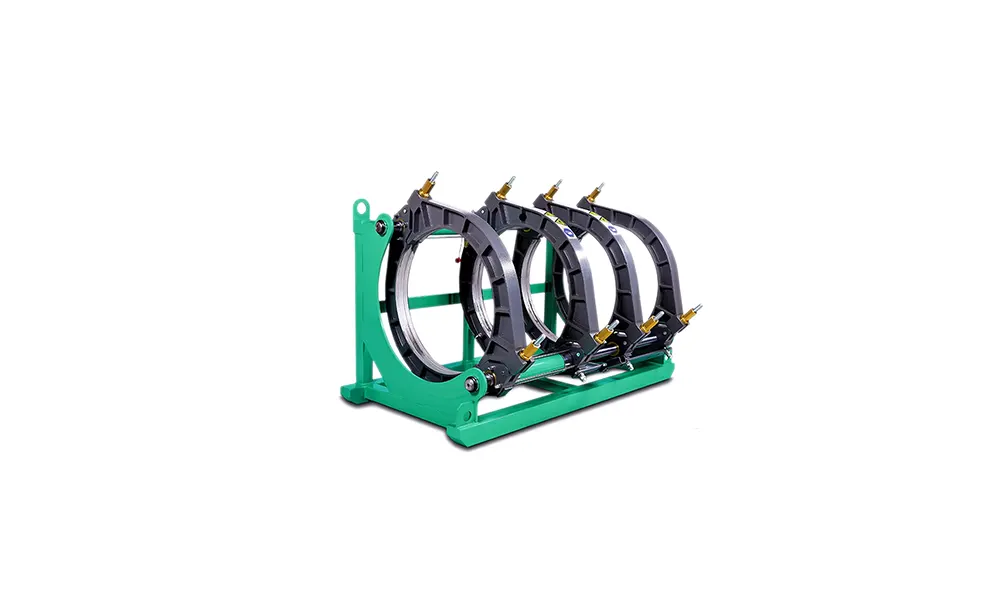
Pre‑Weld Preparation: Foundation for Reliable Joints
Good welds start long before heat is applied. Prepare the worksite, pipes, and consumables to reduce variables that cause weak joints.
- Clean and inspect pipe ends: Remove dirt, oxide, grease, and uneven surfaces. Use a proper facing/trimming tool to achieve smooth, square ends.
- Check alignment and clamping: Ensure concentricity and no axial gaps. Secure clamps to prevent movement during fusion.
- Confirm material compatibility: Match pipe PE grade (PE80, PE100) and SDR. Always follow the pipe manufacturer’s welding guide.
- Control the environment: Shield the joint from dust, wind, and precipitation. Use tarps or shelters on exposed sites.
Key Consumables & Tools
Use certified heating plates, calibrated fusion machines, proper scrapers, and a reliable temperature sensor. Replace damaged heating elements and faces before starting a run.
Welding Parameters & Process Control
Consistent process control prevents weak fusion lines. Monitor temperature, pressure, and time—then log them for traceability.
| Parameter | Typical Range / Setting | Notes |
|---|---|---|
| Heating Temperature (plate) | ~200–260°C (typical) | Follow pipe material datasheet; maintain clean plate surface. |
| Heating Time | Depends on OD and SDR | Use standard charts or machine controller algorithms; adjust for ambient conditions. |
| Fusion Pressure | Controlled per machine or standard | Too low = weak joint; too high = excessive flash and thinning. |
| Cooling Time | Hold until seam reaches recommended set time | Do not disturb joint during cooling. |
Practical Controls
Use machine controllers to automate time/pressure sequencing. Verify parameters before each weld and keep a log of deviations and corrective actions.
Equipment Calibration & Maintenance
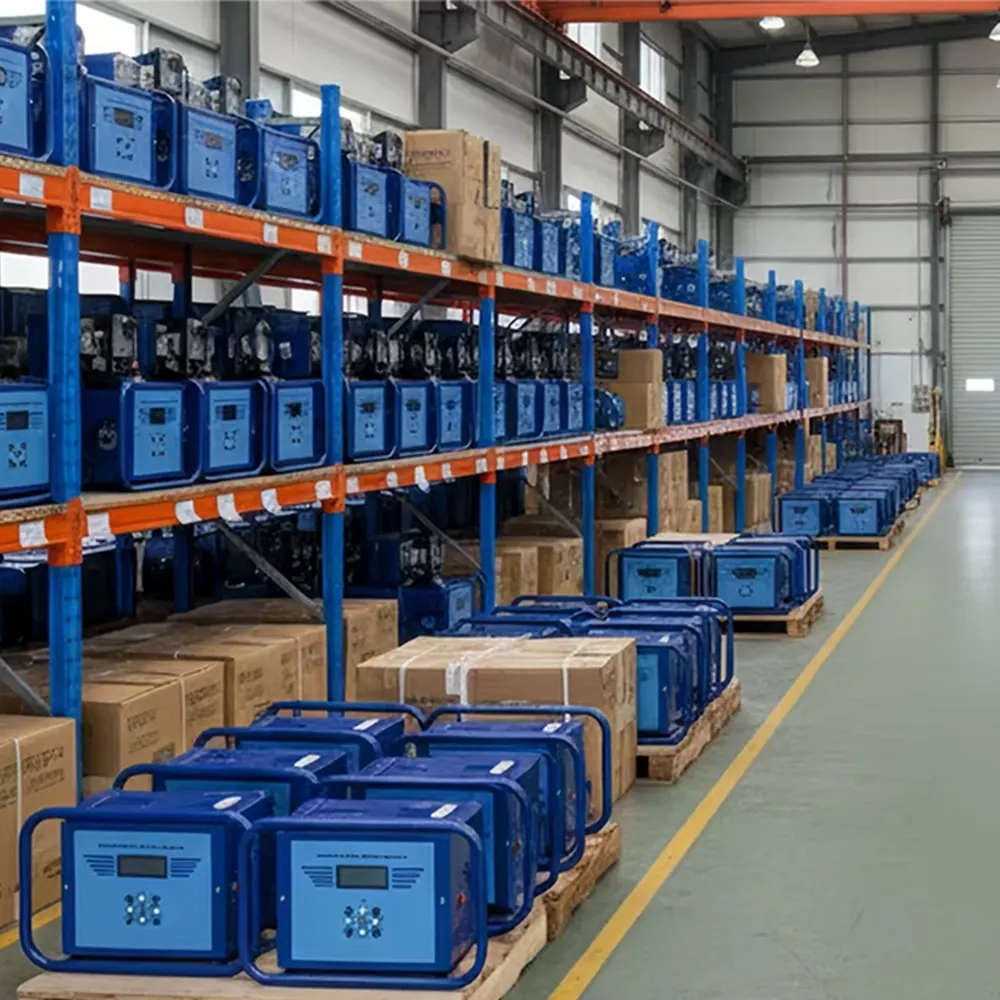
Accurate machines and well-maintained tools are non‑negotiable for repeatable weld quality.
- Calibrate temperature sensors and pressure gauges regularly.
- Inspect heating plates and scraper blades for wear; replace when worn or warped.
- Test hydraulic systems for leaks and consistent pressure delivery.
- Keep spare consumables and a preventive maintenance schedule documented.
Inspection & Testing of Welds
Combine visual inspection with mechanical and non‑destructive testing to verify joint integrity.
- Visual & dimensional checks: Flash symmetry, bead appearance, alignment, and root gap.
- Destructive testing: If required by project specs, perform peel/tensile tests on sample coupons.
- Non‑destructive testing (NDT): Ultrasonic inspection can detect internal lack-of-fusion or voids in PE joints.
- Pressure testing: Hydrostatic tests on the assembled pipeline confirm system performance under expected service pressure.
Common Defects & Remedies
Recognizing failure patterns helps prevent repeat problems on future welds.
- Cold welds (insufficient heat/time): reheat and re‑fuse following correct cycle; verify plate temp and contact.
- Excessive flash or thinning: reduce fusion pressure or shorten heating time per datasheet.
- Misalignment and eccentricity: reclamp and correct alignment before reheating.
- Contamination at the joint: stop work, reface pipe ends and ensure clean environment.
Documentation, Training & Quality Assurance
Track each weld using standardized weld logs: machine ID, operator, pipe IDs, material grade, ambient conditions, parameter settings, and inspection results. Well-documented work supports warranty claims and long-term performance.
- Implement operator certification and refresher training.
- Use digital weld reports where possible for traceability.
- Run periodic audits of welding procedures and acceptance criteria.
For contractors and procurement teams seeking robust butt fusion and electrofusion equipment, JQ-Fusion offers a range of manual, hydraulic, and CNC automatic machines built for consistent, high-quality HDPE pipeline welding. Visit JQ-Fusion for product details and support.



