
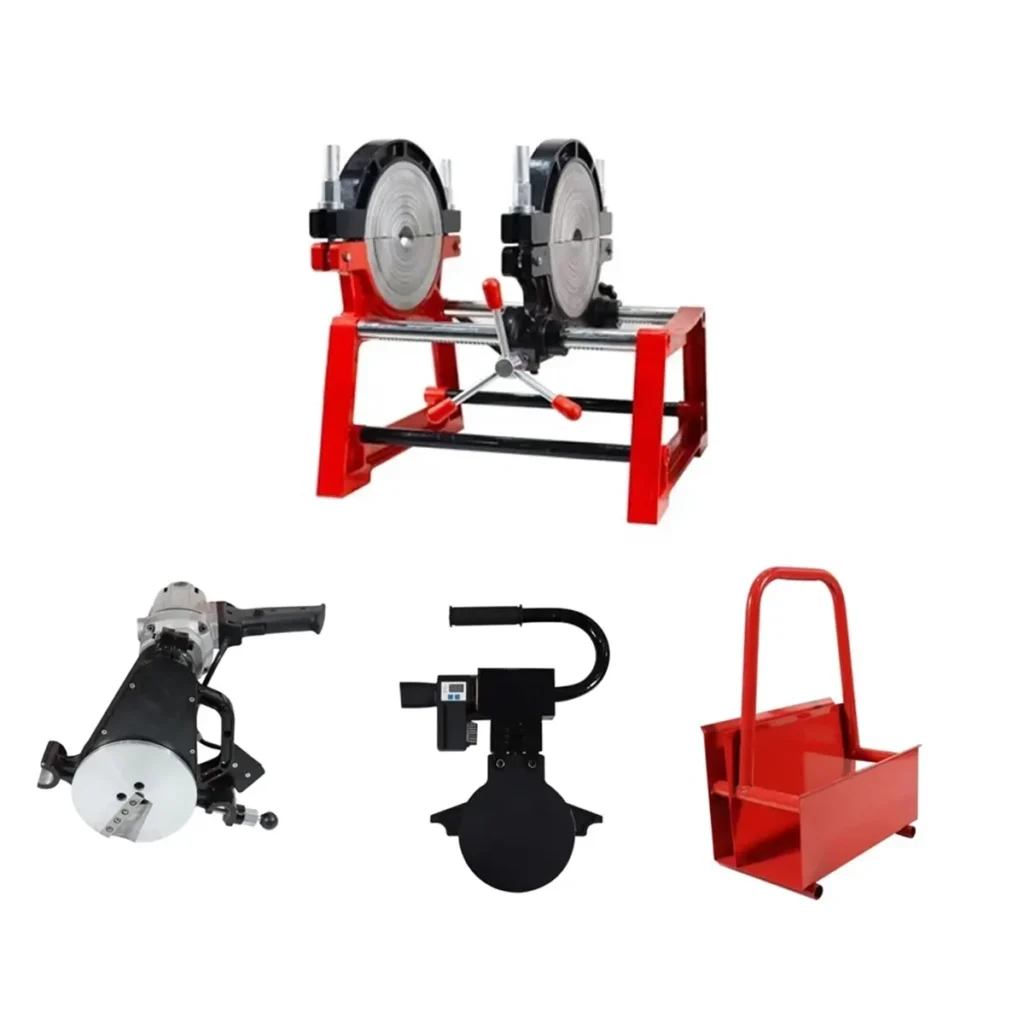
HDPE pipe jointing machines are the backbone of reliable plastic pipeline systems — delivering strong, leak-proof connections for water, gas, mining and industrial projects. This guide explains what to look for when choosing a butt fusion machine, how different machine types impact weld quality, and practical tips to ensure long-term pipeline integrity.
What Makes a Strong HDPE Fusion Joint?
Consistent heating, precise alignment, and controlled pressure are the three pillars of a durable HDPE butt fusion joint. Machines that maintain uniform temperature across the heating plate and provide a stable clamping frame help avoid common defects like cold joints, voids, or misalignment-induced stress points.
Key Machine Characteristics
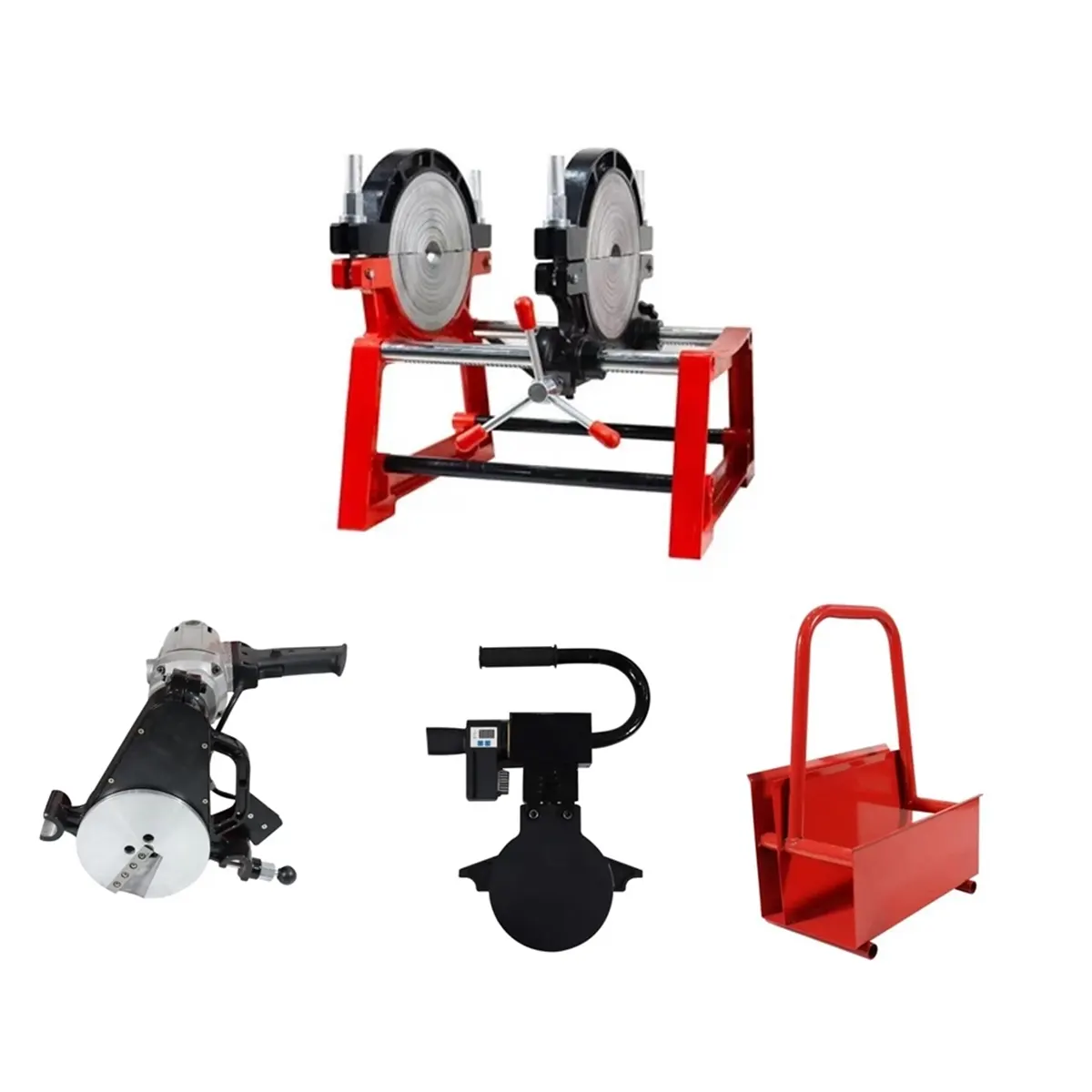
Durability: Robust frames and corrosion-resistant components reduce downtime on construction sites. Control precision: Digital or CNC controls give repeatable heating and cooling profiles. Portability vs. capacity: Manual units are transport-friendly for field repairs while hydraulic and automatic systems handle large-diameter pipes and long production runs.
Types of HDPE Pipe Jointing Machines
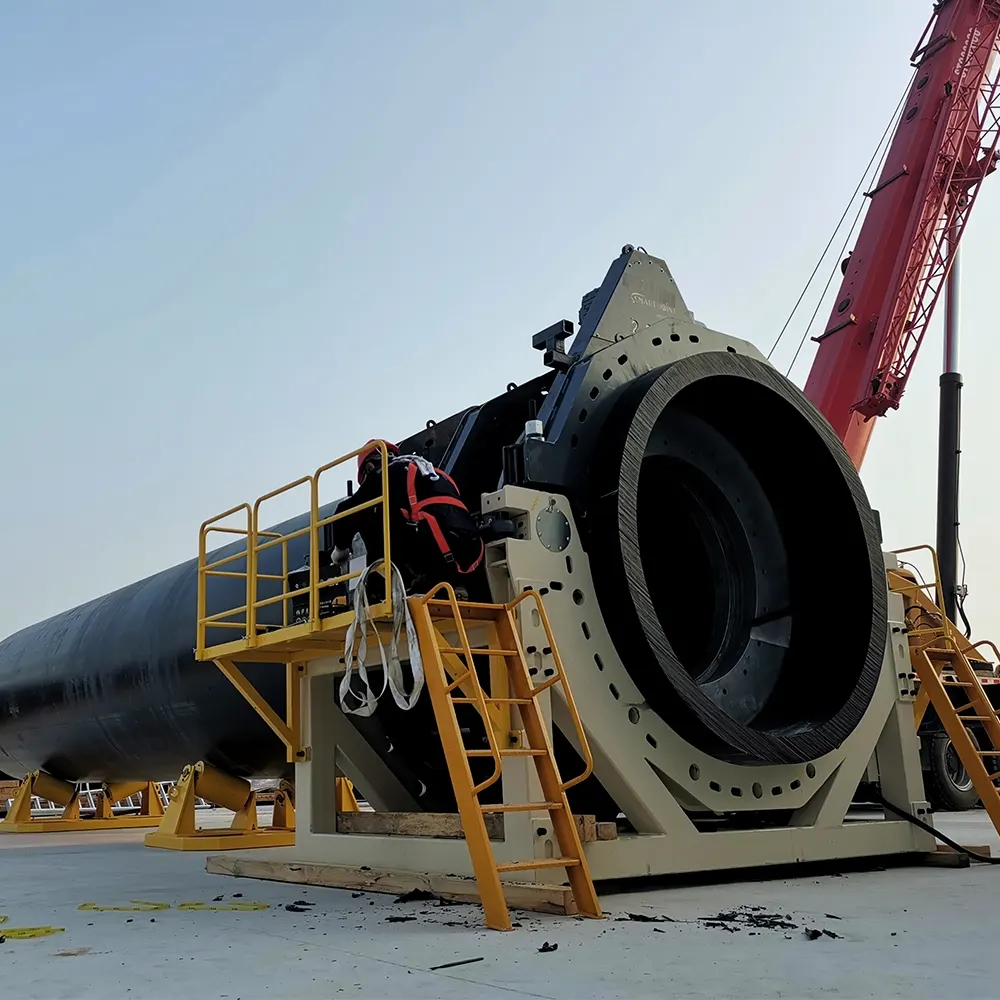
Manual butt fusion machines are cost-effective for smaller diameters and remote jobs. Hydraulic machines provide higher clamping force, ideal for medium to large diameters. Automatic/CNC butt fusion systems offer repeatability and advanced process logging for large projects and contractor workflows.
Common Applications
HDPE welding machines are widely used in municipal water supply networks, gas distribution, mining slurry lines, irrigation systems and industrial piping. Choosing the correct machine reduces rework and ensures compliance with industry welding standards.
Performance Comparison — Typical Models
| Model | Pipe Range (mm) | Type | Primary Benefit |
|---|---|---|---|
| Manual (e.g., 2M) | 20–315 | Manual | Portable, budget-friendly |
| Hydraulic (e.g., H400) | 63–800 | Hydraulic | High clamping force, stable welds |
| Automatic (e.g., A450) | 160–1250 | CNC/Automatic | Process logging and repeatability |
Best Practices for Leak-Proof Joints
Surface preparation: Clean and square-cut pipe ends to remove contamination. Correct heating: Follow recommended heating times and temperatures for pipe material and diameter. Controlled cooling: Allow the joint to cool under pressure for the specified dwell time to avoid stress-induced shrinkage.
Maintenance & Field Tips
Regularly inspect heating plates for wear, calibrate digital controllers, and keep hydraulic systems fluid-checked. For site work, carry spare heating elements and alignment clamps to minimize delays. Training weld crews on standardized procedures produces the most consistent, audit-ready joints.
Selecting the Right Machine
Match machine selection to your project scale: choose manual units for small repairs and remote access work, hydraulic machines for wide-ranging contractor needs, and automatic systems when traceability and throughput are priorities. Evaluate after-sales support, spare part availability and local service options as part of your purchasing decision.
Ready to upgrade your HDPE welding capability? Contact JQ-Fusion for tailored butt fusion solutions, model selection guidance and reliable machine support.



