
Finding a reliable butt fusion machine factory in Nigeria is essential for contractors, municipal engineers, and oil & gas companies working on HDPE pipeline projects. With growing investment in water supply networks, gas distribution, and agricultural irrigation across Lagos, Abuja, Port Harcourt and northern states, Nigerian buyers need durable, certified welding equipment and dependable after‑sales support to keep projects on schedule.
Why Butt Fusion Machines Matter for Nigerian Infrastructure
Butt fusion welding is the industry standard for joining HDPE pipes used in potable water, sewerage, gas distribution and industrial pipelines. For Nigeria, where corrosion resistance and long service life are crucial under humid tropical conditions, selecting the right machine can reduce leaks, rework, and long-term maintenance costs. Local installers also value machines that are easy to operate in remote sites and compatible with a range of pipe diameters.
Types of Butt Fusion Machines to Consider
Choose the machine type that matches your project scale and workforce skill level:
- Manual/Portable Machines — ideal for small diameter pipes (20–160mm) and remote repairs.
- Hydraulic Machines — suited for medium to large diameters with consistent pressure control and higher productivity.
- CNC/Automatic Machines — best for large projects requiring precision, data logging and minimal operator variability.
Where to Find Trusted Suppliers and Factories
In Nigeria, procurement options include local distributors, authorized dealerships, direct import from factories, and regional equipment suppliers. When sourcing a butt fusion machine factory, evaluate:
- Product certifications (ISO, CE) and welding procedure documentation.
- Availability of spare parts and consumables locally or by fast air/sea shipment.
- Training offerings for operators and field technicians.
- Warranty terms and remote technical support capability.
- References from similar projects in Nigeria or West Africa.
Practical Tips for Import and Local Use in Nigeria
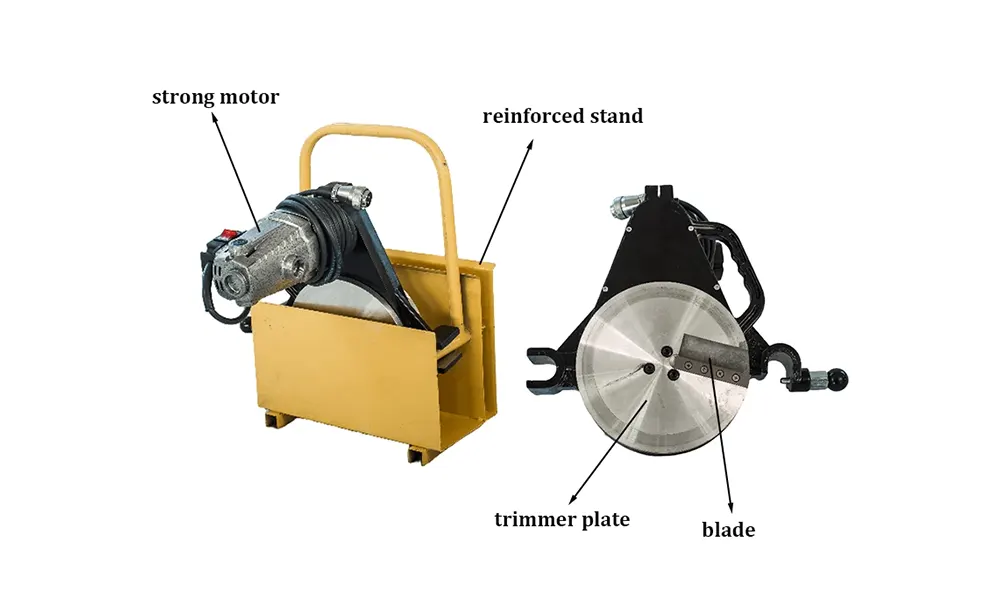
Nigerian buyers should plan for customs clearance at major ports (Lagos, Port Harcourt), understand CIF/CNF terms, and budget for duties and inland transport. Consider local site conditions—fuel reliability, operator skill levels and availability of hydraulic oil or replacement heating plates—when choosing machine models. Local partners who can provide on-site commissioning and training will speed up deployment and reduce downtime.
Quick Procurement Checklist
| Item | What to Ask | Why It Matters |
|---|---|---|
| Model & Pipe Range | Suitable diameters and pressure class | Ensures compatibility with your pipeline specs |
| Certification | ISO/CE, welding procedure files | Quality assurance and regulatory acceptance |
| Spare Parts & Consumables | Lead times and stock levels | Reduces project delays in the field |
| Training & Support | On-site commissioning, manuals, video support | Improves weld quality and safety |
| Warranty & After-sales | Warranty period and service terms | Protects your investment |
How to Verify a Factory Before Buying
Request machine videos, sample weld reports, and references from projects in similar climates. Ask for detailed technical specs and, if possible, a live online demonstration. Check lead time and minimum order quantity. For a direct manufacturer contact and equipment range, consider reaching out to JQ-Fusion for model guidance, certification documents, and shipping options.
Final Notes for Nigerian Buyers
For contractors, local councils and energy companies in Nigeria, buying the right butt fusion machine means balancing budget, durability and local support. Prioritize machines with proven performance in African climates, clear technical documentation, and suppliers who commit to training and spare parts logistics. This approach will ensure safer, long-lasting HDPE pipeline installations across Nigeria.



