
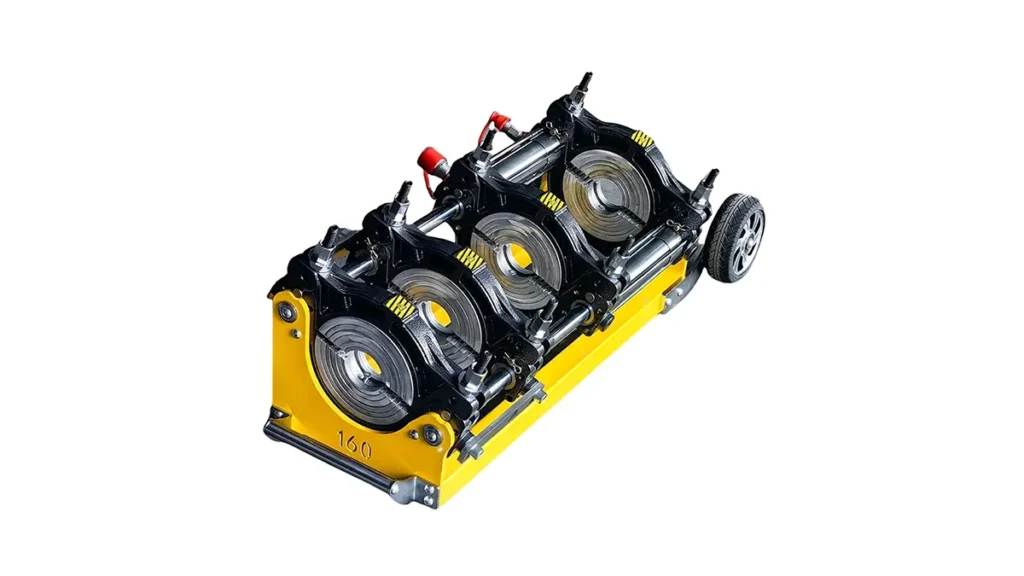
Looking for a reliable poly pipe welder manufacturer in China that delivers durable, high-precision welding solutions for PE and HDPE pipes? This guide explains the key technologies, machine types, and real-world applications—helping contractors, distributors, and project managers choose equipment that reduces downtime and improves joint quality across municipal, industrial, and agricultural projects.
Why Choose Modern Poly Pipe Welding Technologies
Today’s poly pipe welding machines combine repeatable heating control, robust clamping systems, and intuitive operation to produce leak-resistant joints. Whether you prefer manual butt fusion for small-diameter repairs or CNC-controlled automatic butt fusion for long production runs, the right equipment translates into faster installation and long-term reliability for PE/HDPE networks.
Core Welding Methods
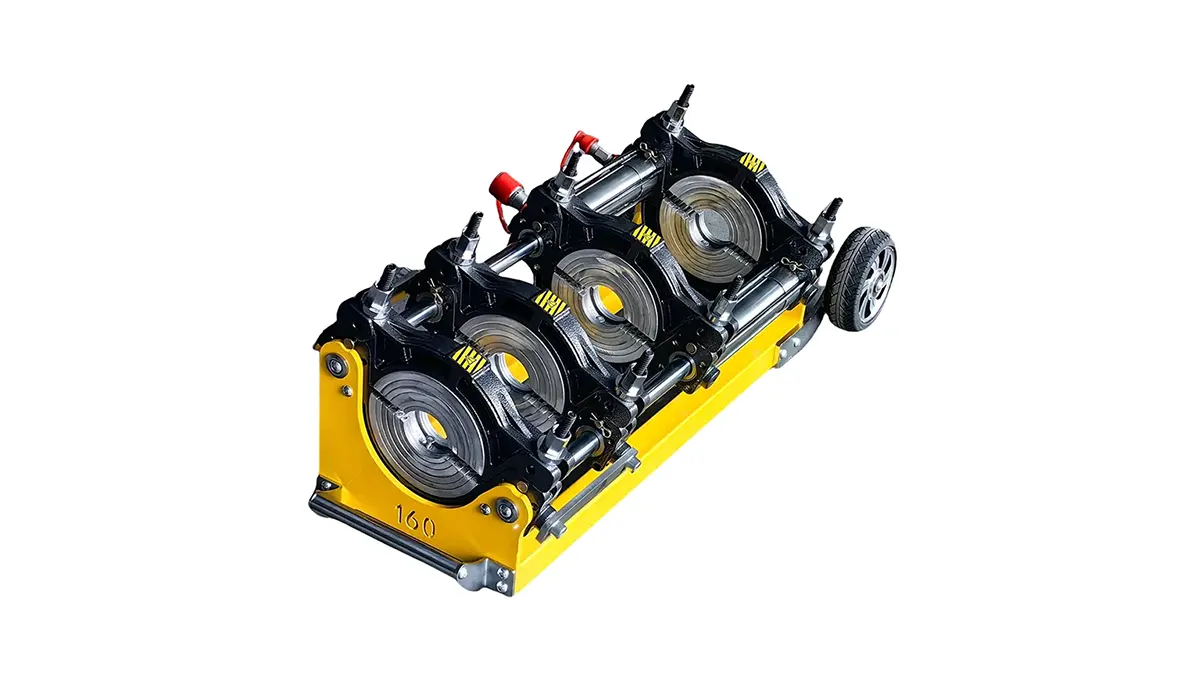
Butt fusion: the standard for permanently joining PE and HDPE pipes. Controlled heating and axial pressure form homogeneous joints with mechanical properties close to the base material.
Electrofusion: ideal for fittings and repair work; specialized electrofusion machines deliver precise current control to ensure consistent melt and cooling cycles.
Multi-angle fitting welding: efficient solution when multiple branch connections or prefabricated fittings are required on site or in fabrication shops.
Product Range Snapshot
| Model | Pipe Diameter | Type | Control |
|---|---|---|---|
|
JQH160 |
20–160 mm |
Hydraulic Butt Fusion |
Manual / Semi-auto |
|
JQA315 |
90–315 mm |
Automatic Butt Fusion |
CNC Control |
|
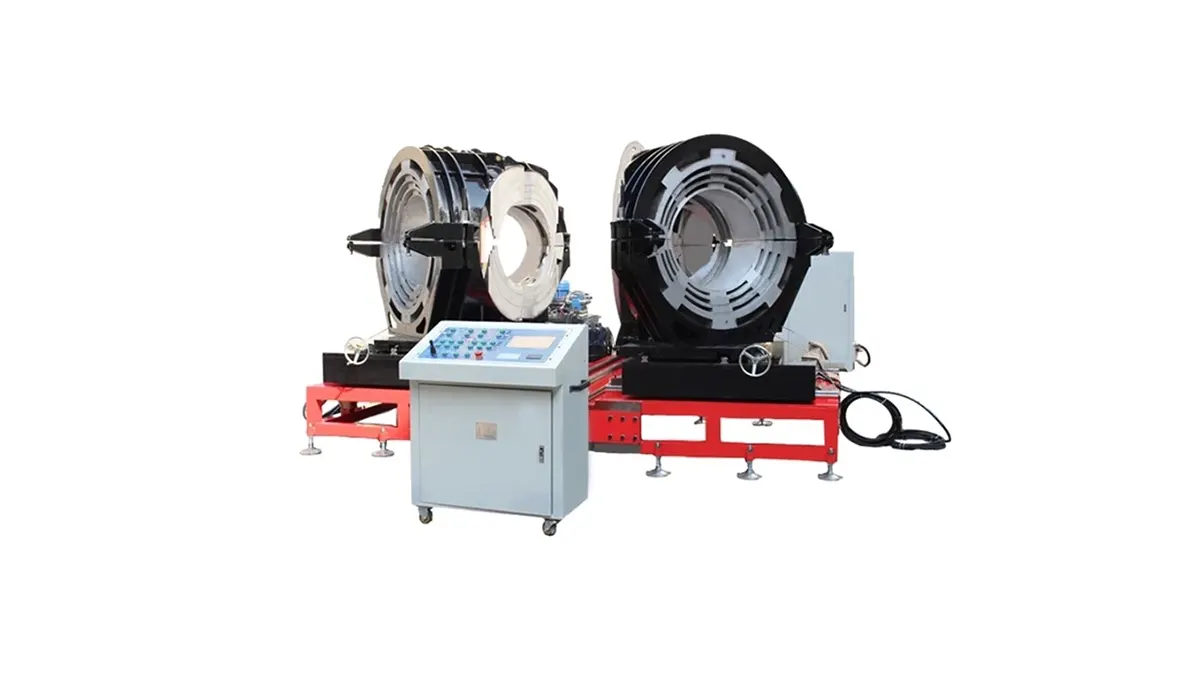
JQMA1200 |
Fittings up to 1200 mm |
Multi-Angle Fitting Welding |
PLC / Touchscreen |
Key Features to Look For
Precision heating plates with even temperature distribution; robust clamps and alignment frames to prevent pipe distortion; clear cycle logging and safety interlocks to meet on-site regulations.
Applications in China: Local Needs and Use Cases
China’s rapid urbanization and infrastructure renewal create high demand for reliable PE/HDPE pipeline systems—water supply, gas distribution, rural irrigation projects, and industrial process lines. Contractors in coastal megacities and inland provinces need equipment that supports fast installation, long service life, and compliance with national standards. For Belt and Road projects and large-scale mining operations, heavy-duty, large-diameter butt fusion machines are often required to meet long-term performance expectations.
Quality Assurance & After-Sales
Components are best sourced and assembled with strict quality control—calibrated heaters, reliable hydraulic systems, and verified software controls. Field training, spare parts availability, and responsive technical support minimize downtime and keep construction schedules on track. Warranty-backed supply and documented welding procedures are essential for acceptance by project owners and inspectors.
JQ-Fusion is a professional manufacturer specializing in HDPE pipe welding machines, offering manual, hydraulic, and CNC automatic butt fusion machines for a broad range of diameters and applications worldwide.
How to Select the Right Machine
Match machine capacity to your typical pipe diameters, decide between portability and on-site power, and consider whether automated control or manual flexibility fits your workflow. For contractors handling long runs of mains, automated machines improve consistency. For service teams and isolated rural projects, compact hydraulic or manual units offer transport convenience.
Next Steps
Inspect machine specifications against your project needs, request welding test reports, and confirm training and spare-parts support. Investing in the correct poly pipe welder now reduces rework and extends pipeline life—delivering better ROI across every project phase.



