
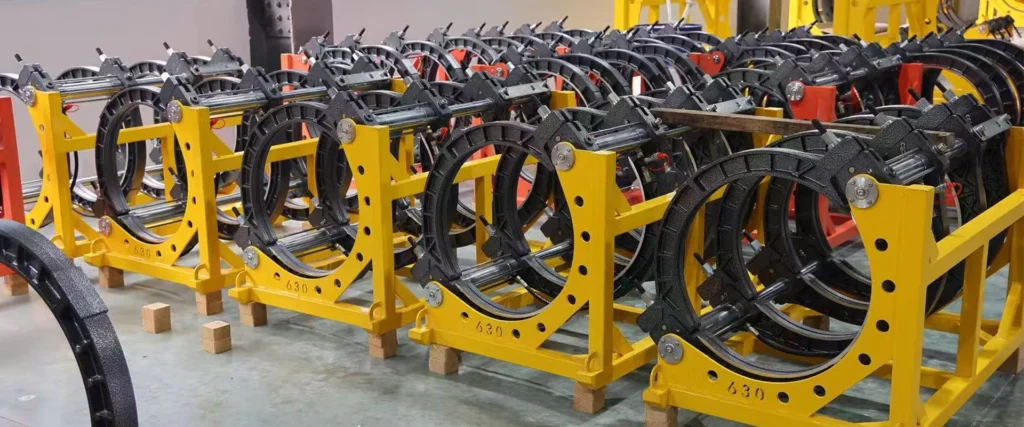
Finding a reliable butt welding machine supplier in Benin means balancing technical requirements with local realities: tropical climate, port logistics in Cotonou, French-speaking crews, and long-term access to spare parts and training. This guide helps contractors, municipal engineers, and pipeline installers evaluate suppliers and choose equipment that performs in Benin’s conditions.
Why choosing the right butt welding machine supplier matters in Benin
Benin is investing in water distribution, sanitation, and energy distribution projects across urban and rural areas. A poor supplier choice can cause costly downtime, failed joints, and long delays while waiting for parts or skilled service. Reliable equipment increases installation speed, reduces rework, and protects project budgets.
Local challenges to consider
-
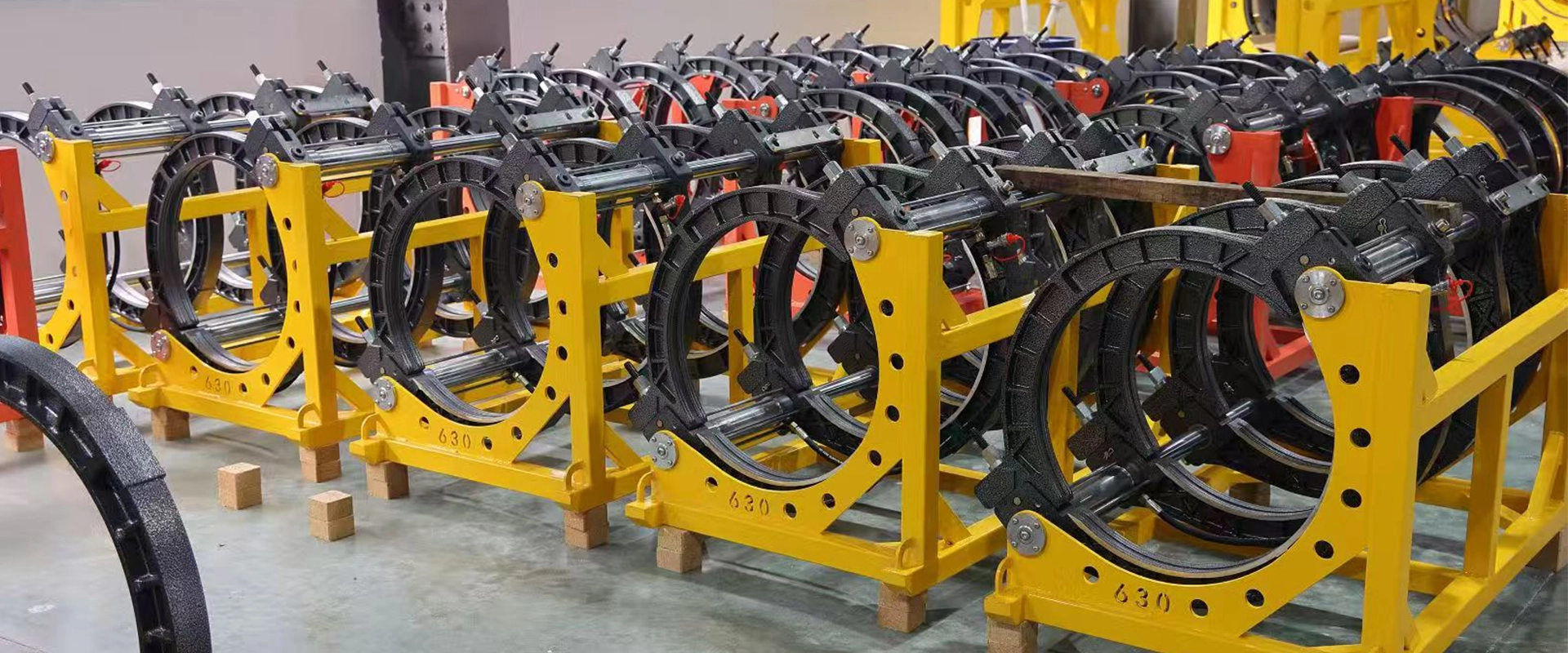
Climate and corrosion: Coastal humidity around Cotonou accelerates corrosion—look for robust finishes and protective coatings.
-
Logistics: Port clearance, inland transport, and customs in Benin can add time; suppliers with export experience and clear documentation reduce delays.
-
Workforce language and training: French-speaking manuals and on-site training or remote support are major advantages.
-
Power supply and field sites: Portable, low-power or hydraulic options suit remote rural projects with limited electricity.
Key factors to evaluate when selecting a supplier
Before you request quotes, prepare a checklist focused on quality, service, and local suitability.
-
Product range: manual, hydraulic and CNC automatic butt fusion machines to match pipe diameters up to large-diameter HDPE lines.
-
Certifications and test data: weld procedure qualifications and performance test reports.
-
Spare parts stock and shipping times to West Africa.
-
Training availability in French or with local interpreters.
-
After-sales response time and warranty terms.
Machine type comparison
| Type | Typical Pipe Range | Best For | Field Use |
|---|---|---|---|
| Manual Butt Fusion | 20–315 mm | Small projects, tight budgets | Very portable, low power |
| Hydraulic Butt Fusion | 63–1600 mm | Municipal & industrial pipelines | Stable, faster cycles |
| Automatic / CNC | 63–2250 mm+ | Large-diameter lines, high precision | High efficiency, needs trained operators |
Practical questions to ask any supplier
-
Can you provide weld procedure qualification records and sample welds?
-
What spare parts are kept in stock and typical shipping times to Benin?
-
Do you offer French-language manuals, on-site commissioning, or remote troubleshooting?
-
What are your warranty coverage and the process for service claims?
Warranty, spare parts and local support in Benin
Reliable suppliers plan for the full lifecycle: fast spare part shipments to the Port of Cotonou, clear customs paperwork, and training programs for local technicians. Ensure the supplier outlines lead times for consumables (heating plates, clamp kits) and offers technical training or certified local partners.
How to get a competitive and secure quote
Provide clear project details when requesting quotes: pipe material and SDR, required daily welds, site conditions, and preferred power sources. Ask for an itemized quote including export packing, FOB or CIF to Cotonou, and estimated delivery time. For reliable butt fusion solutions tailored to West African projects, consider contacting JQ-Fusion for product options, test data, and training packages.
Final checklist before you decide
-
Confirm spare parts availability and shipping timelines to Benin.
-
Request a sample weld report and references for projects in similar climates.
-
Verify language support and operator training options.
-
Compare total cost: machine price, shipping, training, and spare parts over expected lifetime.
Next step: compile your project specs and ask shortlisted suppliers for CIF Cotonou quotes, training plans in French, and warranty commitments to ensure a seamless installation and long-term performance.



