
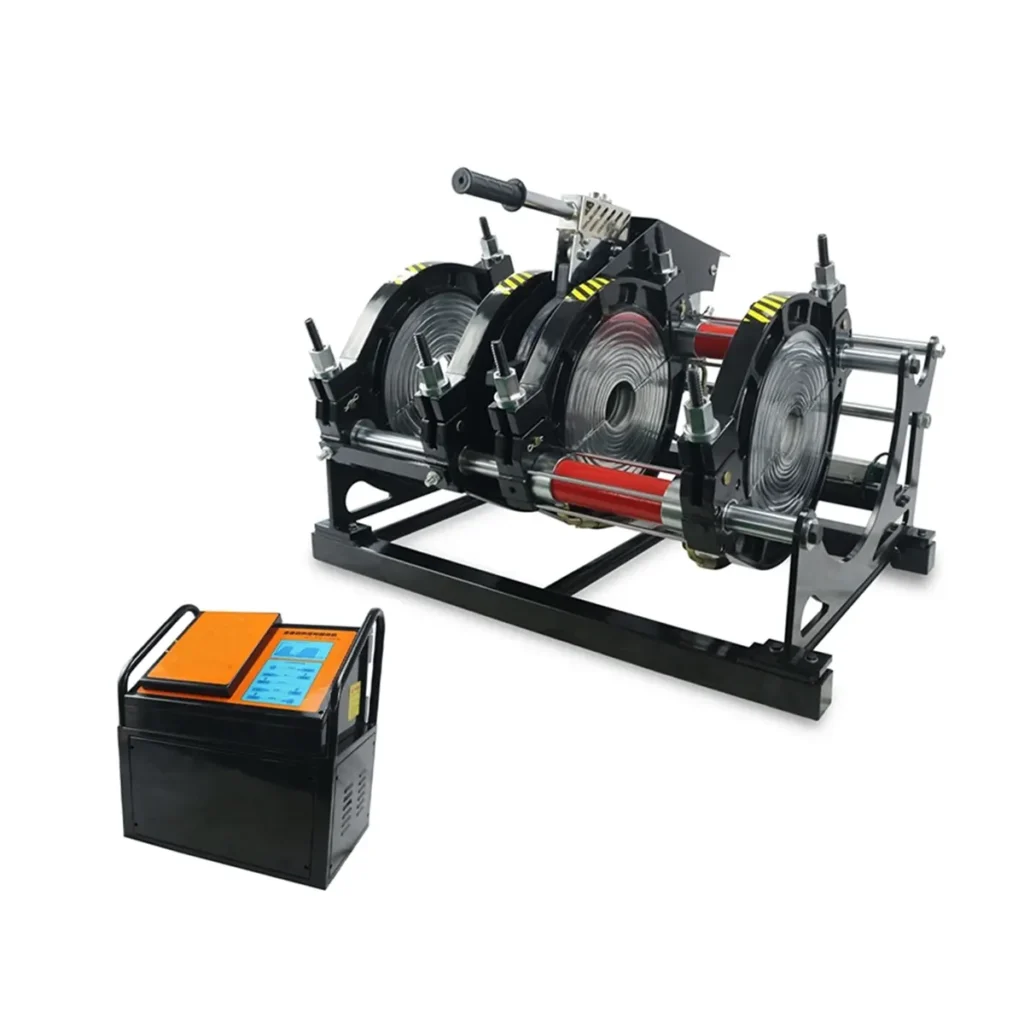
Automatic pipe welding machines are transforming pipeline construction across Libya — from coastal water networks in Tripoli to gas and oil feeder lines near the Sirte Basin. This guide explains why automatic butt fusion welders are the preferred solution for industrial HDPE pipe projects in Libya, what features matter, and how to choose equipment and services that match local conditions.
Why Automatic Pipe Welding Machines Work Well in Libya
Automatic machines deliver consistent, high-quality butt fusion joints with less operator variability — a major advantage where long-distance pipelines and high-pressure systems are common. In Libya, projects often require rapid installation during narrow weather windows, corrosion-resistant solutions for coastal environments, and reliable performance for water, gas, and oil distribution. Automatic welding systems minimize rework and increase throughput, helping contractors meet tight schedules and regulatory standards.
Benefits for Libyan Infrastructure Projects
– Faster fusion cycles and repeatable weld quality for long linear installations.
– Reduced reliance on highly specialized welders; easier training for local teams.
– Better traceability when paired with digital controllers — useful for municipal and industrial compliance.
– Durability against UV and saline conditions when used with HDPE materials, ideal for coastal cities like Tripoli and Benghazi.
Key Features to Look For
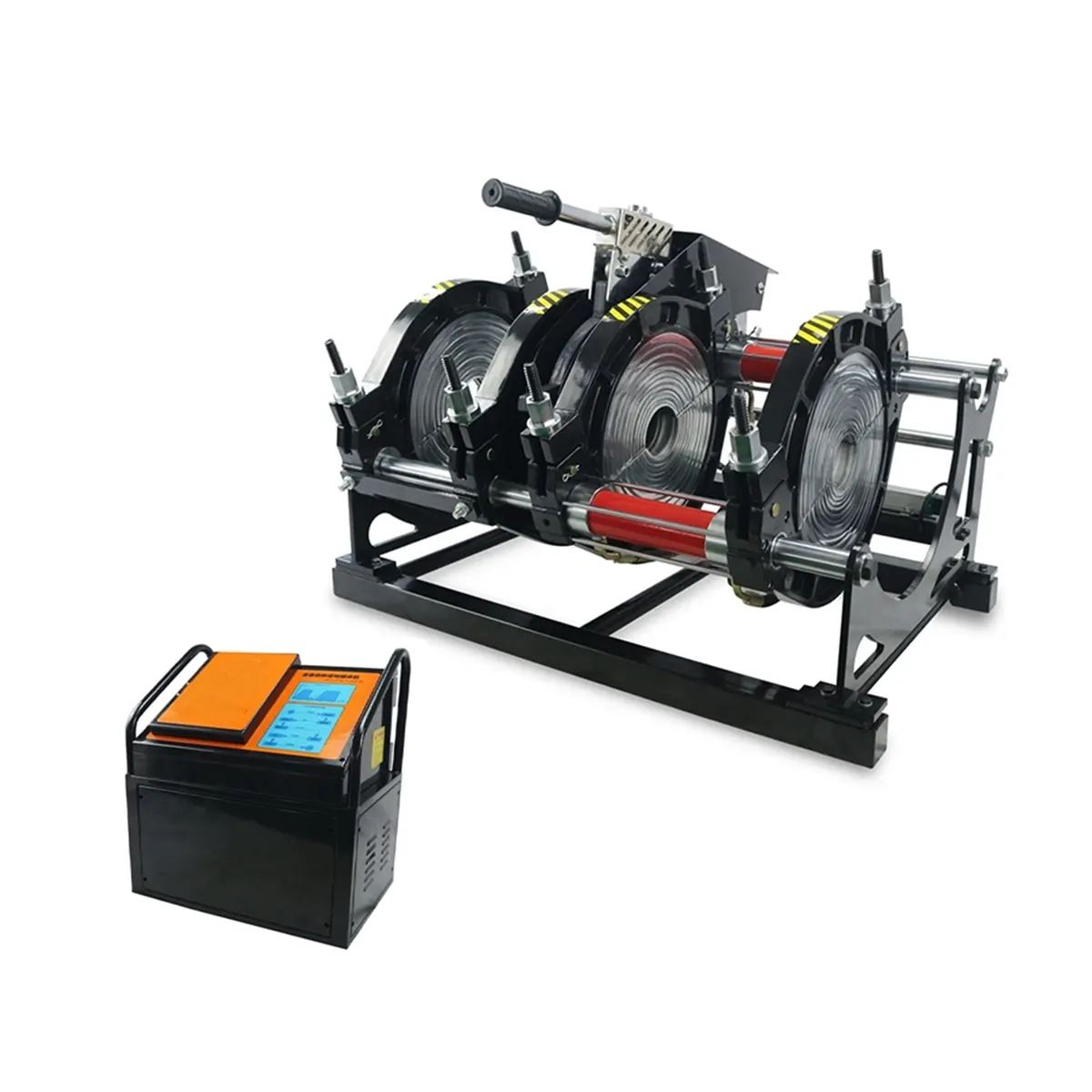
Selecting the right automatic butt fusion machine requires attention to control, capacity, and field robustness. Prioritize:
– Precise PLC or microcontroller-based temperature and pressure control for consistent joints.
– Wide diameter range and modular clamping to cover municipal water mains and large industrial pipework.
– Portable hydraulic or electric power options for remote desert sites and oilfield access roads.
– Easy-to-source spare parts and a service network that can support rapid repairs.
Recommended Models & Typical Uses
Below is a quick comparison of common automatic butt fusion models suitable for Libya projects. Use this to match machine capability to pipe diameter and site needs.
| Model | Pipe Diameter (mm) | Automation Level | Typical Application | Power |
|---|---|---|---|---|
| JQA160 | 20 – 160 | Fully automatic | Small distribution lines, service connections | Electric |
| JQA250 / JQA315 | 63 – 315 | Fully automatic | Municipal water mains, irrigation | Electric / Hydraulic |
| JQA630 | 180 – 630 | CNC / Fully automatic | Large-diameter trunk lines, industrial pipework | Hydraulic |
Installation, Training & After-Sales in Libya
Local contractors benefit from onsite commissioning and operator training to ensure optimal fusion parameters for Libyan soil and climate conditions. Consider vendors that offer:
– Practical training for local teams and clear maintenance guides.
– Spare parts kits and diagnostic support to limit downtime on remote stretches.
– Advice on customs clearance, shipping routes to Mediterranean ports, and on-the-ground logistics.
How to Choose a Supplier
Select a supplier with proven manufacturing quality, demonstrable case histories in similar climates, and the ability to supply documentation for standards and testing. For turnkey supply and dependable technical support, consider reaching out to a manufacturer with a wide product range and global project experience such as JQ-Fusion (website).
Investing in the right automatic pipe welding equipment reduces long-term maintenance costs and improves pipeline reliability — essential outcomes for Libya’s expanding water, gas, and industrial infrastructure.



