
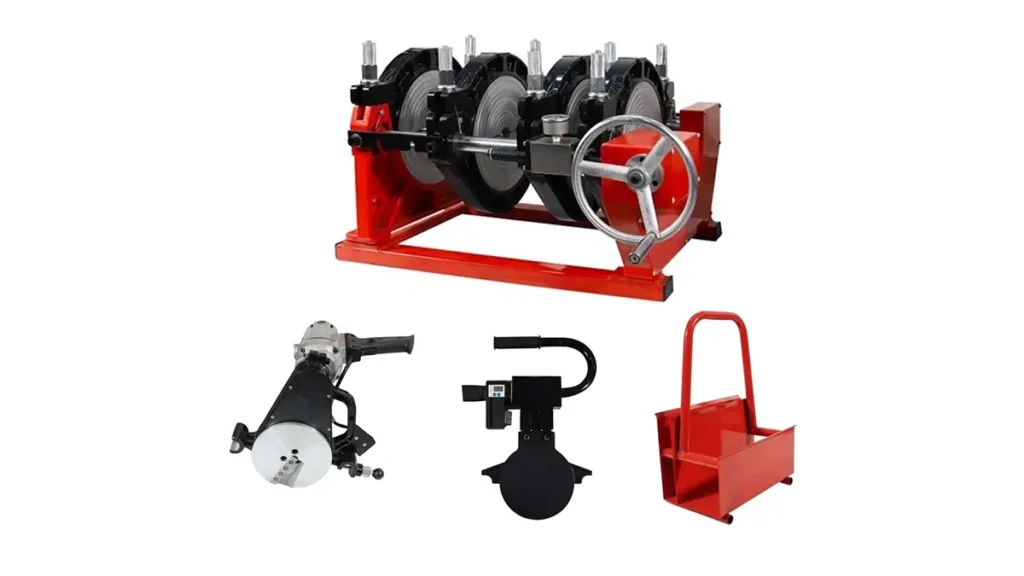
Plastic pipe welding demands precision, durability, and equipment engineered for long-term performance. This article explores how a dedicated plastic pipe welder factory delivers high-quality butt fusion solutions for HDPE and other thermoplastic pipes, helping contractors and infrastructure teams achieve leak-free, long-lasting joints across projects.
Factory-Grade Advantages for Durable Pipe Welding
Factories specializing in pipe welders produce machines with consistent tolerances, repeatable heating cycles, and robust mechanical assemblies. Compared to field-modified equipment, factory-built welders provide:
- Repeatable fusion quality through calibrated heaters and precise clamping systems.
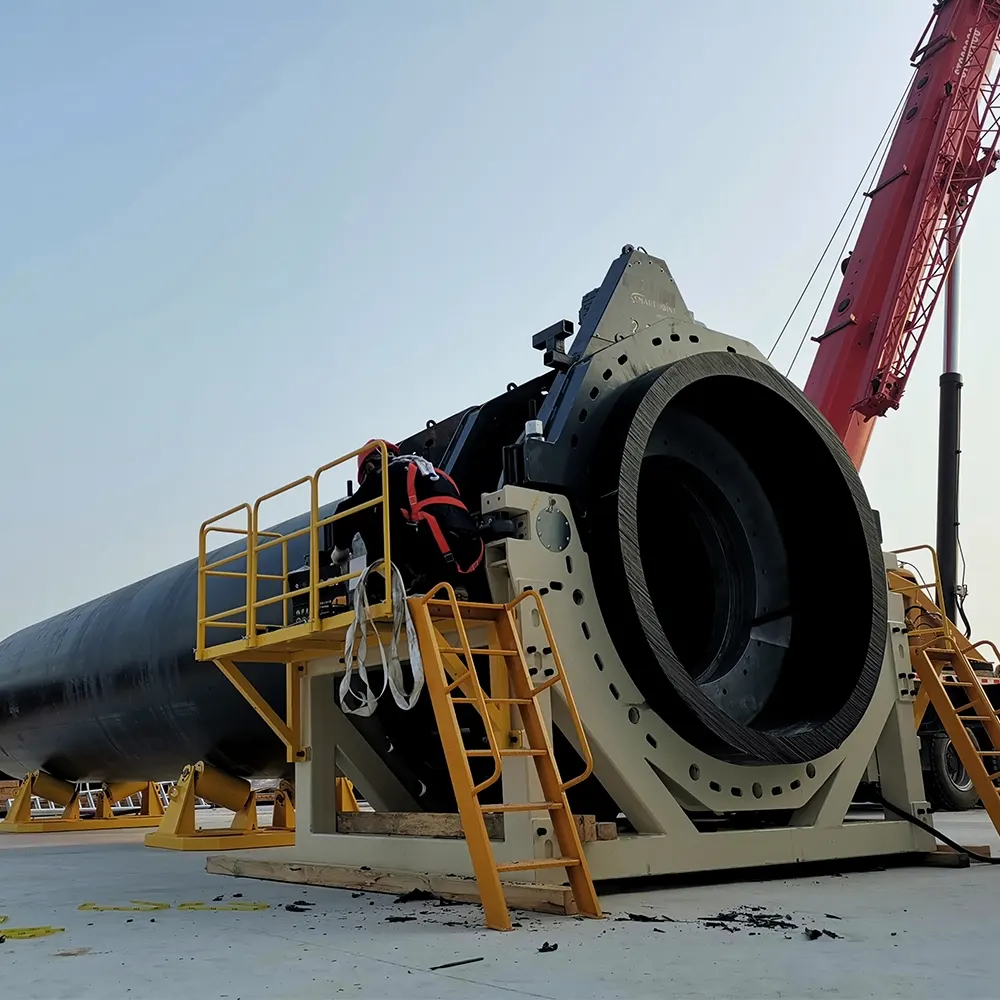
- Wider range of models from compact manual units to fully automated CNC frames for large-diameter pipelines.
- Spare parts and technical support designed around the machine lifecycle — improving uptime on-site.
Product Range & Key Capabilities
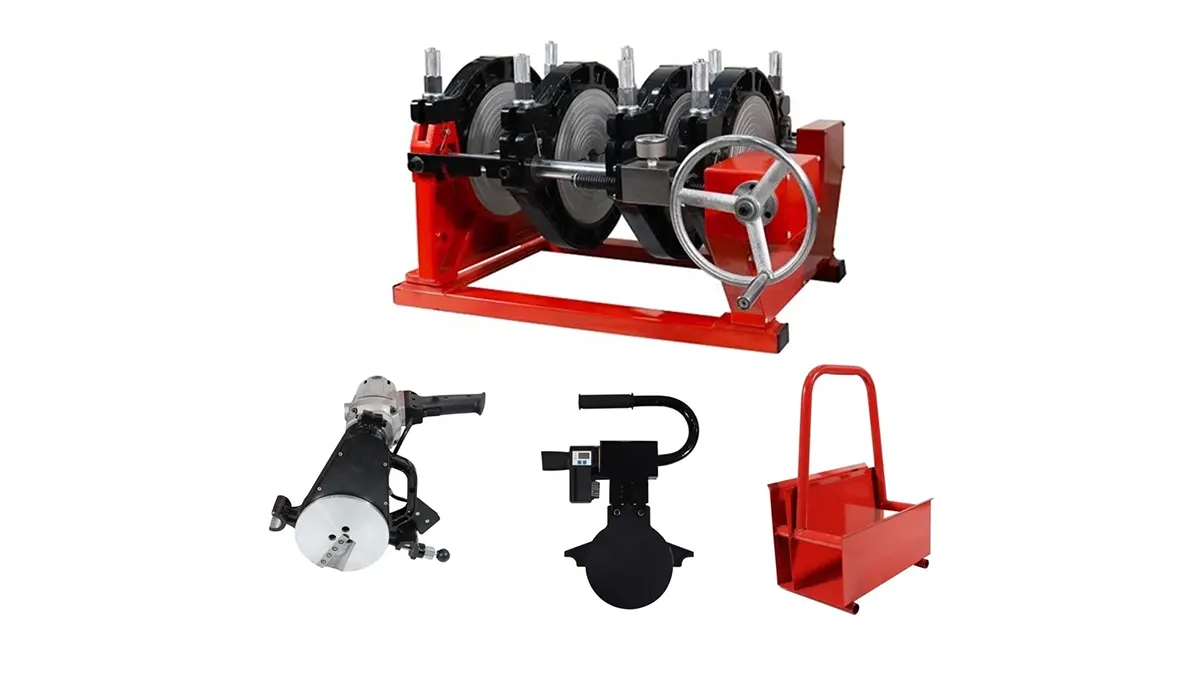
Top factories offer a comprehensive portfolio to match project scale and application. Typical capabilities include manual butt fusion welders for small-diameter pipes, hydraulic units for medium to large work, and automatic CNC-controlled machines for repetitive, high-volume welding.
| Model Type | Pipe Range (mm) | Control |
|---|---|---|
| Manual Butt Fusion | 20 – 315 | Manual |
| Hydraulic Butt Fusion | 160 – 2250 | Hydraulic |
| Automatic / CNC Frames | 63 – 2000+ | CNC / PLC |
Quality Control, Materials & Testing
Durability begins with materials and ends with testing. Reliable factories implement:
- High-strength frames and corrosion-resistant components for outdoor construction sites.
- Precision heating plates with uniform temperature distribution to eliminate cold joints.
- Factory test records, sample weld trials, and calibrated instrumentation for traceability.
Common Applications
Plastic pipe welders support a broad set of industries, including:
- Municipal water supply and sewage networks
- Gas distribution and energy pipelines
- Mining and slurry transport
- Agricultural irrigation and industrial process piping
Selecting the Right Welder for Your Project
Key factors to evaluate when selecting equipment include pipe material and SDR, expected daily weld volume, site conditions, available power and logistics, and required certifications. For remote sites, favor portable hydraulic units with simple serviceability; for factory or prefabrication work, automatic CNC machines deliver high throughput and documentation.
Maintenance Tips to Prolong Service Life
Routine maintenance enhances reliability: keep heating plates clean, verify hydraulic fluid condition, torque clamp fasteners to spec, and maintain a parts inventory for wear items like heaters and seals. Proper operator training reduces human error and improves first-pass weld rates.
Why Factory-Supplied Solutions Matter
Buying from a factory ensures access to engineered compatibility between clamps, heaters, and control systems, which reduces commissioning time and improves long-term performance. For procurement teams and contractors seeking dependable, documented welding results, factory provenance is a major advantage.
Partner Spotlight
JQ-Fusion is a professional manufacturer specializing in HDPE pipe welding machines, delivering a range of manual, hydraulic, and CNC automatic butt fusion solutions for global infrastructure projects.
Ready to upgrade your welding fleet? Visit the manufacturer’s site to review models, download specifications, and request a quote: https://jq-fusionwelding.com/



