
Gas pipe welding machines — including butt fusion and electrofusion units used for joining HDPE and other thermoplastic pipes — are essential tools for safe, reliable gas distribution. When used correctly, these machines are safe and produce high-integrity welds, but risks exist if procedures, equipment selection, or site controls are inadequate. This guide explains how they work, the main hazards, and practical steps to keep gas pipeline welding safe on every project.
How Gas Pipe Welding Machines Work
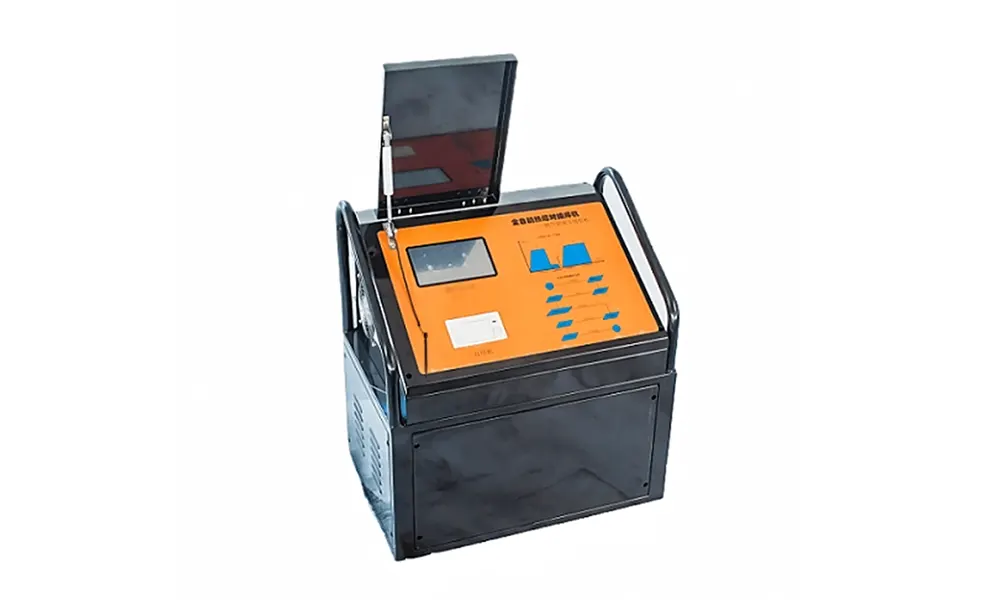
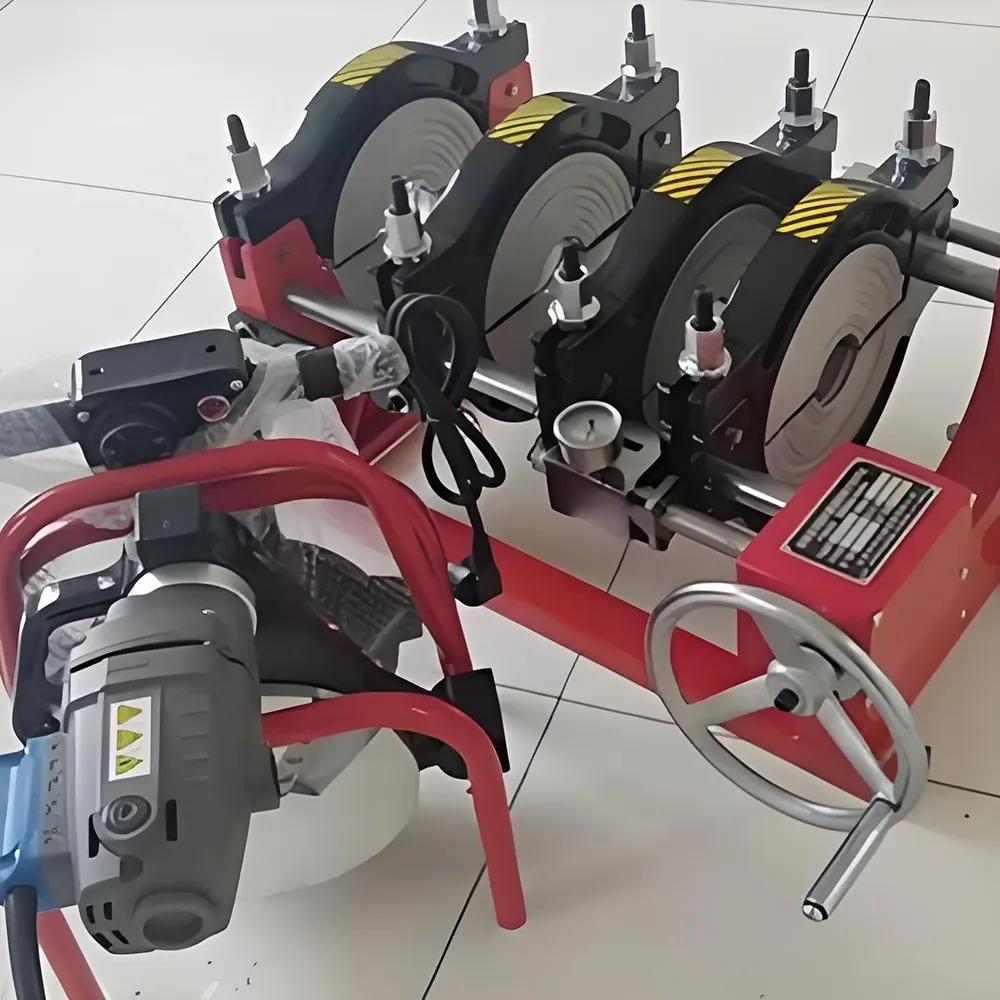
The two most common systems for gas pipelines are butt fusion and electrofusion. Butt fusion presses two pipe ends together against a heated platen until the material melts and forms a continuous joint. Electrofusion uses a pre-molded fitting with embedded heating elements that fuse the fitting to the pipe when powered.
Why proper technique matters
Correct alignment, surface preparation, heating time, and controlled cooling are critical. Poor technique can create weak joints that leak under gas pressure, while correct fusion makes a joint as strong as or stronger than the pipe itself.
Common Risks When Welding Gas Pipes
Understanding typical hazards helps teams plan and eliminate or reduce them:
- Leak and explosion risk: Improper joints or damaged pipe can allow gas escape, creating fire or explosion hazards in confined or populated areas.
- Hot surfaces and burns: Heating plates and fused fittings reach high temperatures during operation.
- Electric shock: Electrofusion units require correct electrical protection and grounding.
- Operational errors: Wrong parameters, dirty faces, or misalignment lead to substandard welds.
Quick-reference safety table
| Hazard | Risk Level | Best Controls |
|---|---|---|
| Gas leakage at joint | High | Follow standards, pressure test before commissioning, use certified fittings |
| Fire / ignition | High | Eliminate ignition sources, hot work permits where required, monitor atmosphere |
| Burns from heating plate | Medium | Use PPE (gloves, face shield), keep clear zones, cool controls |
| Equipment electrical faults | Medium | Regular inspection, RCD protection, trained operators |
Essential Safety Practices
Preparation and planning — Always survey the site for ventilation and nearby ignition sources. For urban or confined installations, atmospheric monitoring for gas before and during work is critical.
Operator training and certification — Ensure welders are trained in the specific machine type and fusion standards (e.g., ISO 21307 / ISO 12176 guidance where applicable). Competent operators reduce joint failures substantially.
PPE and safe distances — Use heat-resistant gloves, safety glasses, and appropriate clothing. Keep bystanders clear of the immediate welding zone.
Equipment selection & maintenance
Choose a machine rated for the pipe diameters and wall thicknesses in your project. Automatic and CNC butt fusion units provide tighter control of parameters and often yield more consistent welds, while manual and hydraulic units are common for smaller or remote jobs. Regular maintenance, calibrated heating plates, and function checks reduce faults.
Testing and documentation
Pressure testing and non-destructive assessments are mandatory in many jurisdictions before gas pipelines enter service. Keep weld logs, operator IDs, and parameter records for traceability — this is frequently required by utilities and regulators.
Practical checklist for safe gas pipe welding
Before starting: confirm gas supply isolation, perform atmospheric checks, inspect pipe ends, and verify machine calibration.
During weld: follow machine parameters, keep heating surfaces clean, monitor ambient conditions, and maintain clear communication.
After weld: allow recommended cooling time, complete visual/pressure checks, and record fusion data.
Regulatory and code considerations
Gas distribution projects are subject to national and local regulations. Project teams must follow applicable codes for pipeline welding, testing, and commissioning. In many regions operators require certified fusion procedures and documented operator competency before final approval.
When to call the manufacturer
If you see repeated joint failures, unusual electrical behavior on electrofusion units, inconsistent heating, or unexpected machine errors, contact the equipment supplier for diagnostics. Reliable manufacturers provide technical support and spare parts that keep operations safe and compliant.
Final thought
Are gas pipe welding machines safe? Yes — when the right machine is chosen, operators are trained, procedures are followed, and site hazards are controlled. For proven butt fusion and electrofusion equipment backed by support and quality control, consider manufacturers like JQ-Fusion for reliable solutions and documentation to meet pipeline safety requirements.



