
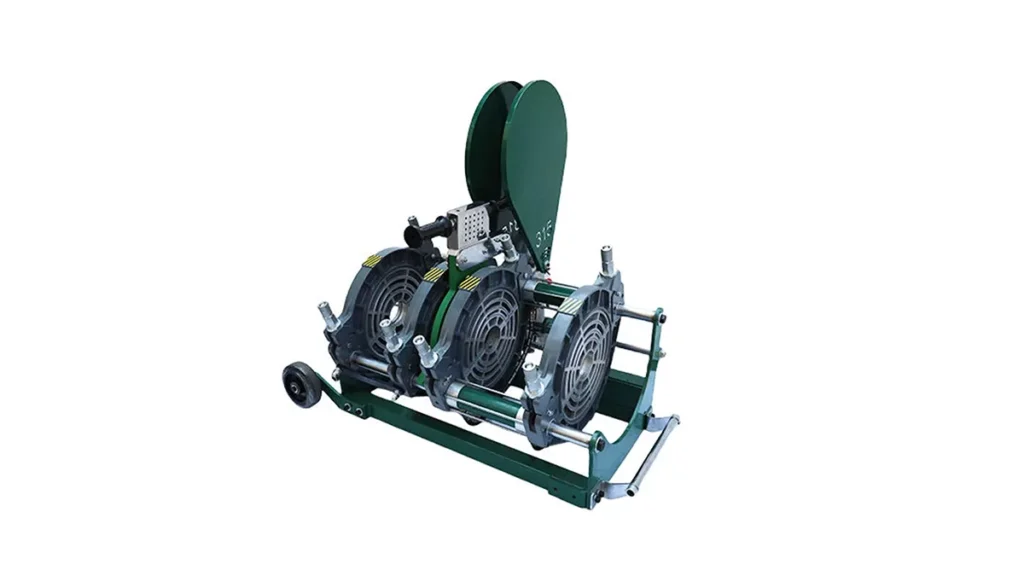
Automatic pipe welding machines are transforming infrastructure projects across Georgia — from Tbilisi’s expanding urban networks to rural and mountainous regions where durable HDPE pipelines are essential for water, gas, and irrigation systems. This guide explains why automatic butt fusion machines deliver efficiency, safety, and consistent weld quality for Georgian contractors, municipal engineers, and construction teams.
Key Advantages of Automatic Butt Fusion for Georgian Projects
Automatic machines reduce human error and shorten weld cycles — critical when working in Georgia’s varied climates. Consistency in heating and pressure control ensures reliable joints for drinking water and gas lines, while automation speeds up large-scale installations along highways, city expansions, and remote mountain pipelines.
What Makes Modern Automatic Machines Essential
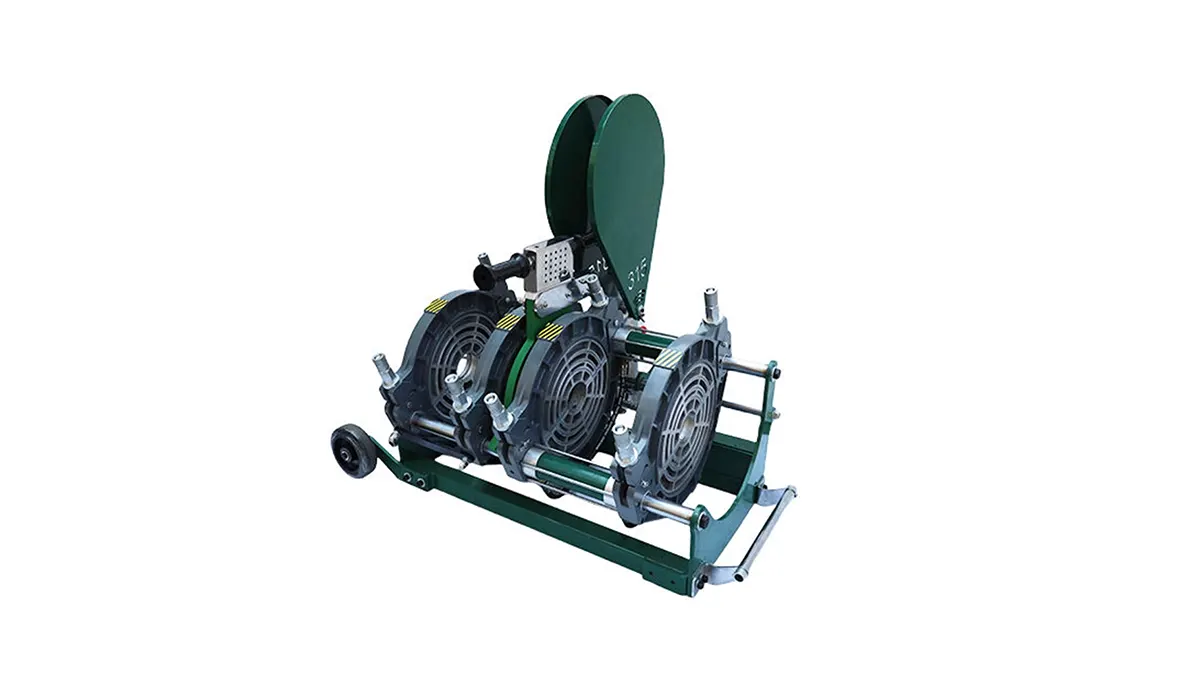
Automatic butt fusion units offer programmable weld cycles, digital pressure monitoring, and repeatable heating profiles. For contractors working in snowy mountain passes or humid lowlands, these features translate into predictable welds and fewer reworks. Portability options and quick setup are also important when crews move between scattered job sites.
Selected Features to Consider
Automatic control: Touchscreen programming and data logging for traceability.
Hydraulic drive: Stable, even pressure for large-diameter HDPE pipes.
Modularity: Adaptable clamp frames for different pipe sizes and site conditions.
Side-by-side: Machine Types at a Glance
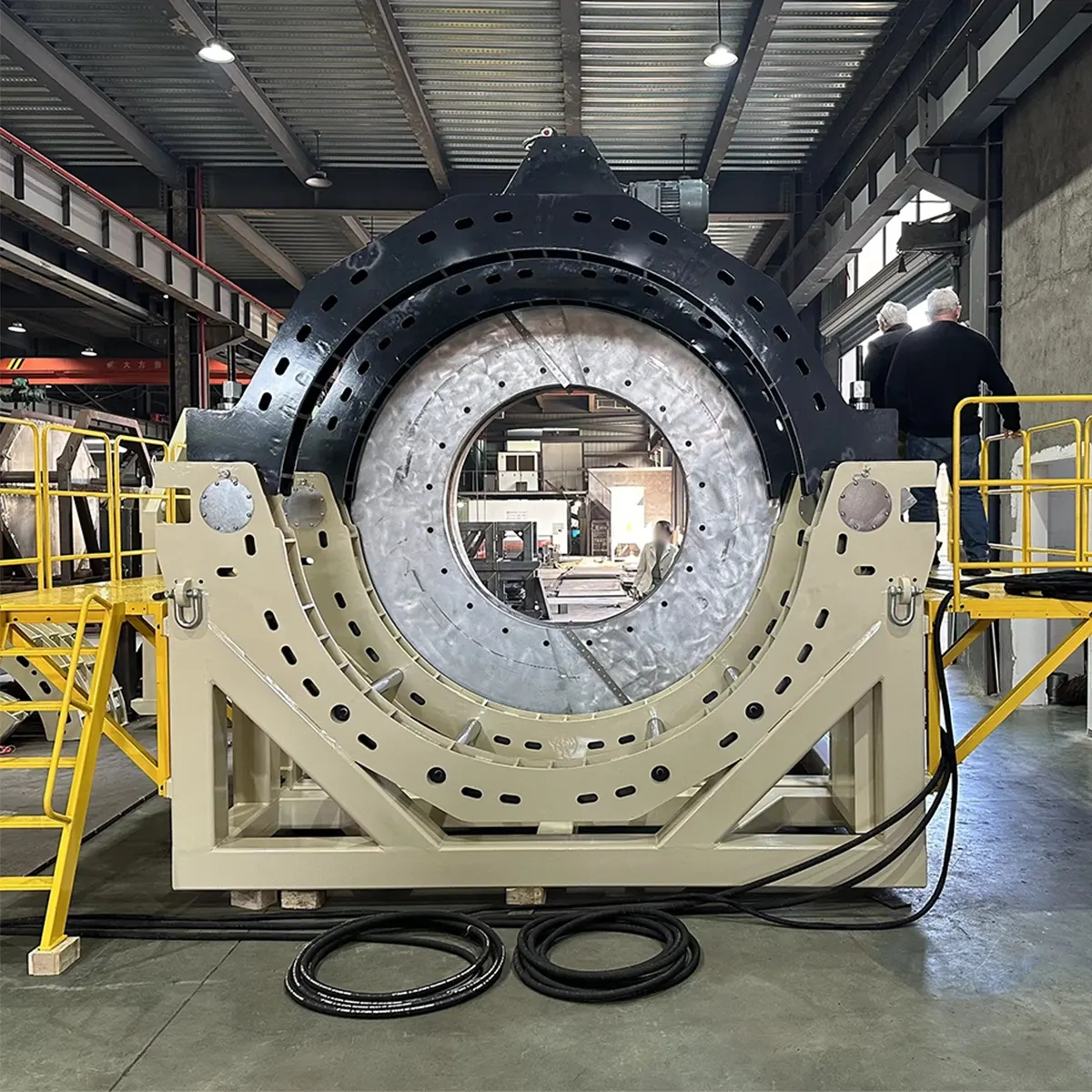
Choosing between manual, hydraulic, and automatic machines depends on project scale, crew skill level, and budget. The table below helps compare core capabilities for Georgian infrastructure needs.
| Machine Type | Typical Diameter Range | Best For |
|---|---|---|
| Manual Butt Fusion | 20mm – 110mm | Small repairs, low budget |
| Hydraulic Butt Fusion | 110mm – 1200mm+ | Municipal mains, large-diameter pipelines |
| CNC / Automatic Butt Fusion | 200mm – 2000mm+ | High-volume projects, strict QA/QC |
Applications in Georgia: Where These Machines Shine
Typical uses include potable water networks in urban expansion zones, gas distribution upgrades in growing towns, irrigation systems in Kakheti vineyards, and long-haul HDPE trunk lines across mountainous roads. The weather extremes in some regions make weld consistency and equipment reliability top priorities.
Installation, Training & After-Sales Support
For best results, crews need hands-on training in safety, joint preparation, and machine calibration. Regular maintenance and access to spare parts reduce downtime on remote sites. Look for suppliers with responsive logistics and technical guidance to support field teams.
About the Manufacturer
JQ-Fusion offers a range of manual, hydraulic, and CNC automatic butt fusion welding machines designed for global infrastructure projects, with options for custom configurations and site support. Visit https://jq-fusionwelding.com/ for full product specifications and service details.
Buying Checklist for Georgian Buyers
Ensure the machine’s diameter range matches your pipeline sizes, verify data-logging capabilities for QA, confirm spare parts availability, and plan operator training. Prioritize machines with robust hydraulic systems and sealed electronics for harsh outdoor conditions.
Ready to upgrade your pipeline welding capability? Select an automatic butt fusion unit that balances portability, automation, and durability to meet Georgia’s diverse project demands.



