
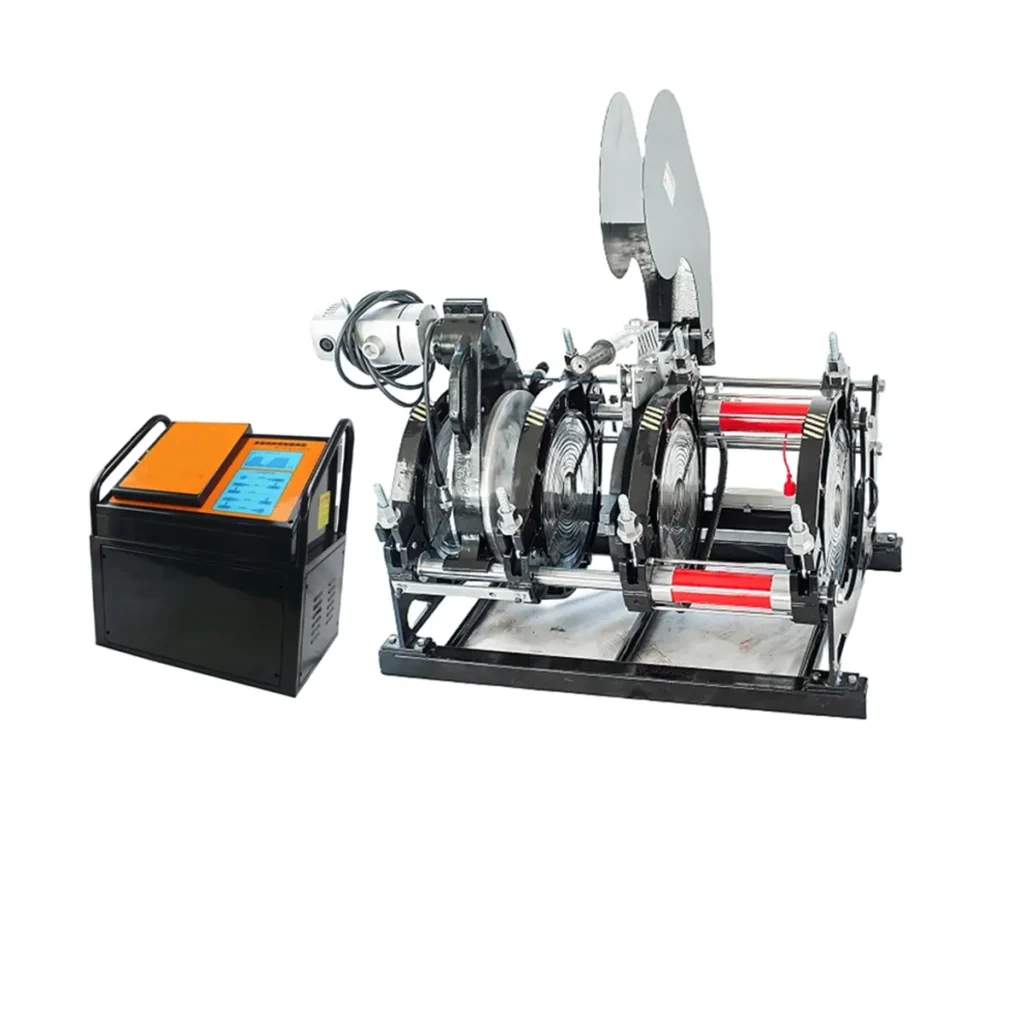
Finding a reliable butt fusion welder factory for projects in Ghana requires a practical mix of technical knowledge, local market awareness, and supplier credibility. This guide helps Ghanaian contractors, municipal engineers, and pipeline installers evaluate factories and select the best supplier for water, gas, mining, and irrigation pipeline work.
Why the right supplier matters for Ghana projects
Ghana’s infrastructure projects often face hot, humid conditions, long rural supply lines, and varying site access. Choosing a butt fusion machine supplier who understands these realities reduces downtime, ensures weld integrity under local climatic stress, and speeds up commissioning on sites near Tema, Takoradi, or inland mining areas. Durability, after-sales support, and spare parts availability are particularly important.
Key features to evaluate in a butt fusion factory
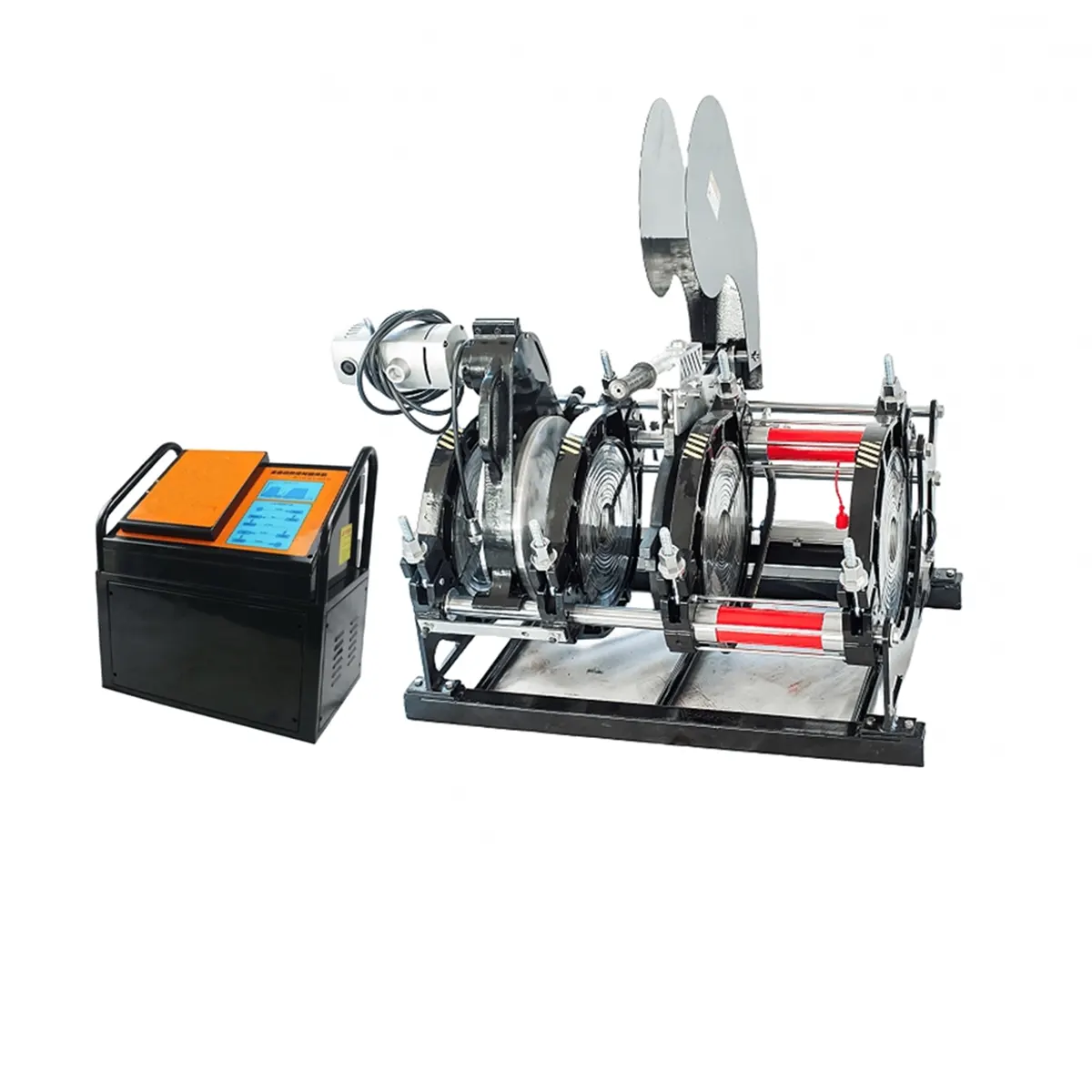
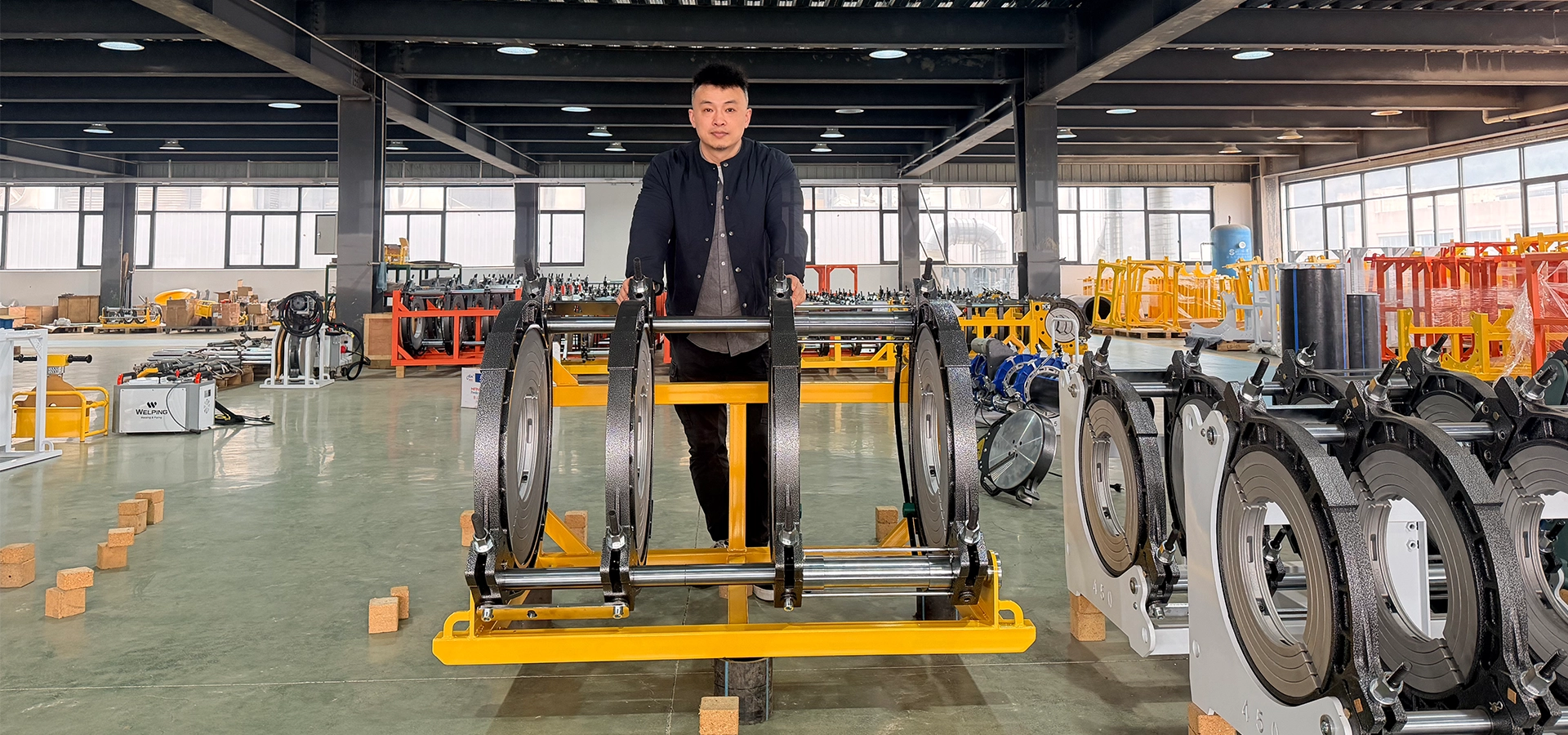
When comparing suppliers, inspect machines and factory capabilities for:
- Machine range — manual frames for small repairs, hydraulic units for common diameters (e.g., 63–630mm), and CNC automatic units for high-volume or large-diameter lines.
- Quality control — documented testing, weld traceability, and calibration records.
- Spare parts & consumables — local or fast-shipment options to Ghana to avoid long project delays.
- Portable serviceability — ease of on-site maintenance and availability of service engineers familiar with tropical environments.
- Training & documentation — user manuals, welding procedure specifications (WPS), and onsite training tailored to Ghanaian teams.
Factory verification checklist
Before placing an order, ask for proof of:
- ISO or equivalent quality certifications and factory inspection reports.
- Sample weld logs, QC data sheets, and example project references in West Africa.
- Photos or videos of production lines and final acceptance testing.
- Shipping experience to Ghana (incoterms familiarity, port-to-site logistics, customs clearance support).
Practical procurement table — match machine to Ghana use-case
| Machine Type | Typical Ghana Application | Why it fits |
|---|---|---|
| Manual Butt Fusion Frame | Small village waterlines, repairs | Lightweight, portable, low-cost maintenance |
| Hydraulic Butt Fusion Machine | Municipal water distribution, gas trunklines | Consistent pressure, suitable for medium diameters |
| Automatic/CNC Butt Fusion Unit | Large-diameter pipelines, industrial projects | High repeatability, digital control, record keeping |
Logistics, customs and local support considerations
Ghanaian buyers should assess delivery lead times to Tema/Takoradi ports, inland transport to project sites, and import duty implications. Confirm the supplier can provide export documentation, pre-shipment inspection, and options for local distribution or certified service partners to reduce downtime on long projects.
Questions to ask any butt fusion factory
- Can you provide recent weld test reports and customer references in West Africa?
- What spare parts are stocked for fast shipment to Ghana?
- Do you offer on-site commissioning, operator training, or remote technical support?
- What warranty and after-sales terms apply in humid/tropical climates?
Negotiation & payment tips for Ghana buyers
Negotiate clear incoterms (FOB, CIF, DAP), phased payments tied to production milestones, and a parts kit included with the first shipment. Ask for a simple maintenance manual and a starter spares list to be packed with the machine to minimize initial downtime.
One reputable source to consider
For reliable butt fusion solutions with global experience and a full range of manual, hydraulic, and automatic machines, consider JQ-Fusion (https://jq-fusionwelding.com/)—they provide documented QC, diverse machine types, and spare parts strategies suitable for Ghanaian infrastructure projects.
Selecting the right factory means balancing price with machine suitability, local support, and proven quality. Prioritize suppliers that demonstrate experience shipping to Ghana and offer training, spare parts, and documented weld quality to protect your project schedule and budget.



