
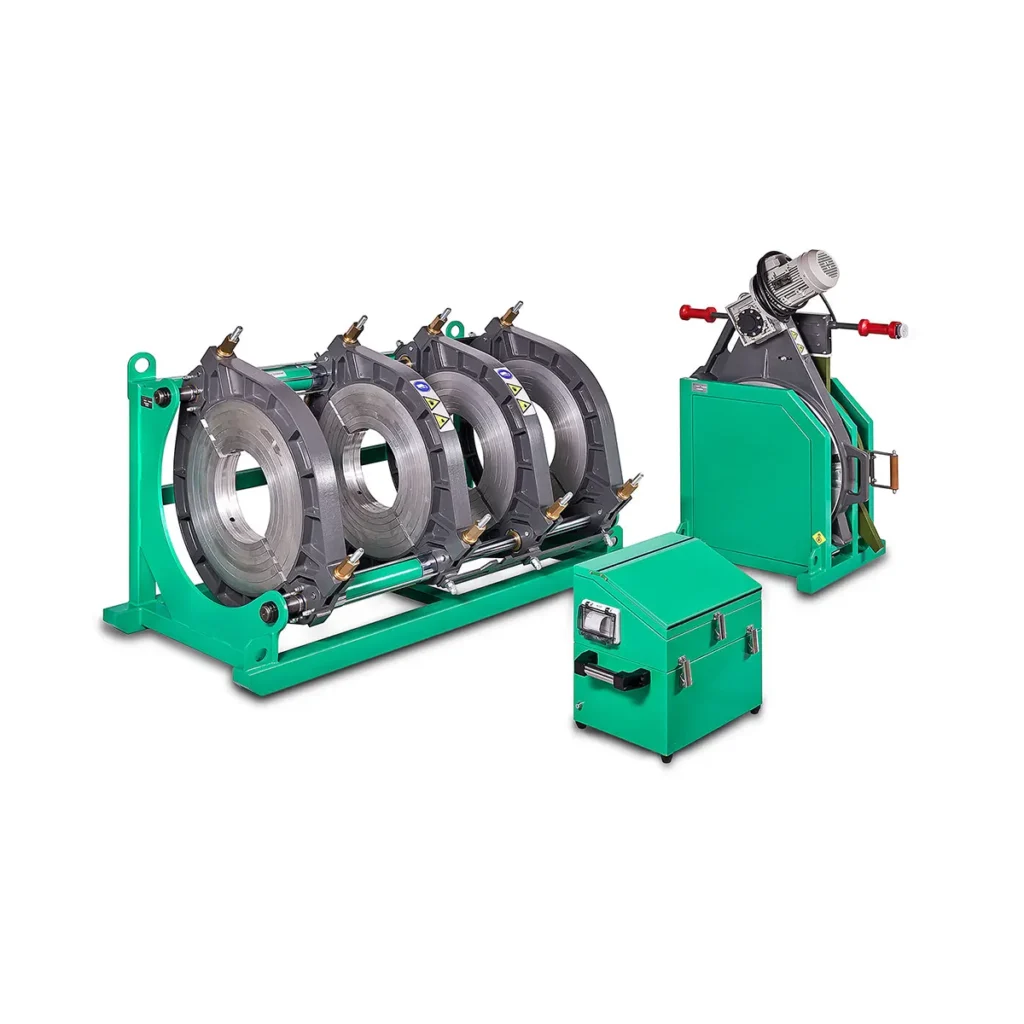
Discover reliable automatic pipe welding machine solutions tailored for Latvia’s contractors, utilities, and infrastructure projects. This guide explains how modern HDPE butt fusion and automatic welding equipment improve installation quality, speed up municipal works, and meet EU standards in Baltic climates.
Why Automatic Pipe Welding Matters in Latvia
Latvia’s growing investments in water supply networks, gas distribution, and renewable energy require consistent pipe joints that withstand seasonal temperature changes. Automatic pipe welding machines deliver repeatable fusion cycles, reducing human error on-site and helping contractors comply with strict EU regulations on pipeline integrity. For municipal crews and private contractors in Riga, Daugavpils, and smaller municipalities, the right welding equipment can shorten project timelines and cut lifecycle costs.
Key Advantages for Baltic Projects
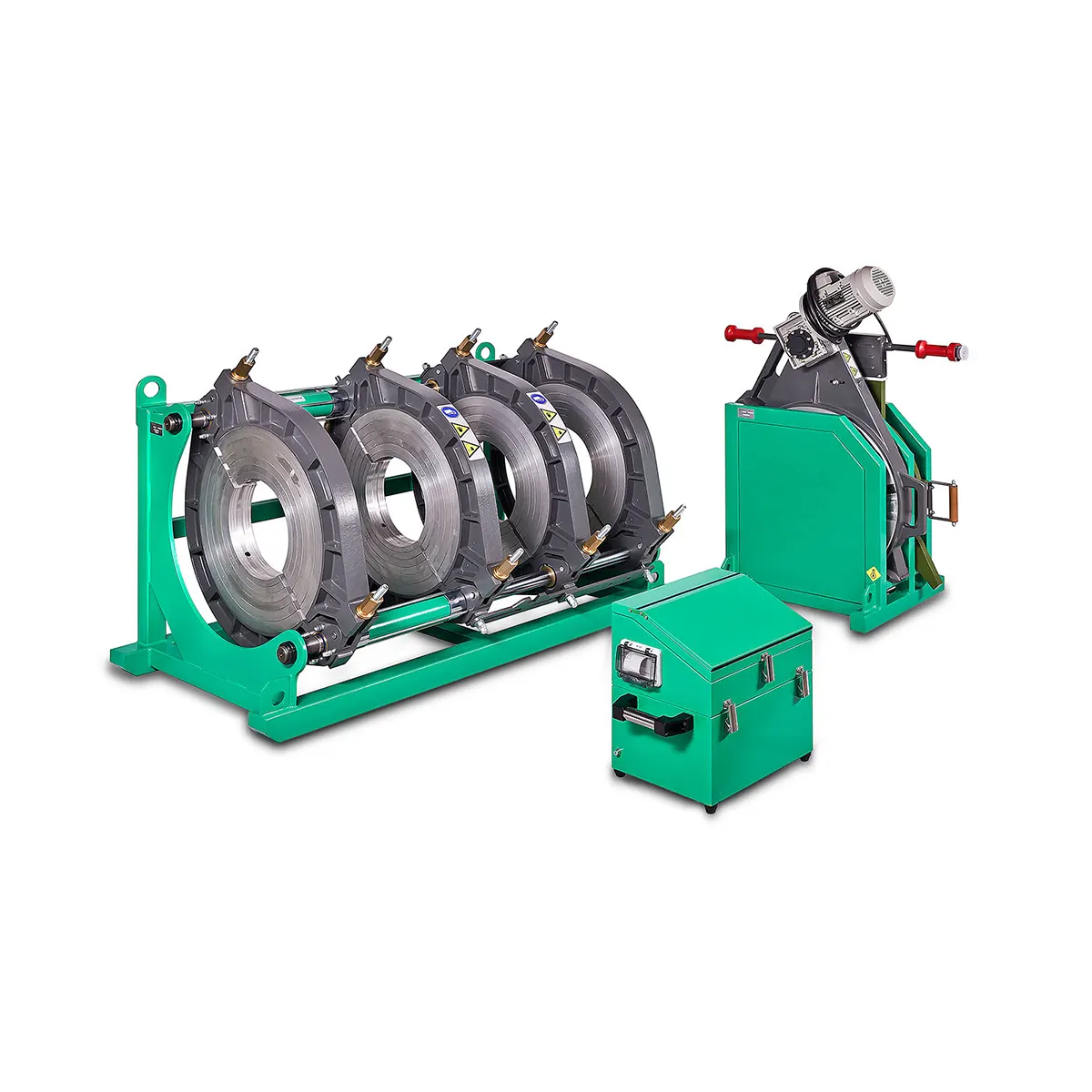
Automatic and CNC butt fusion machines offer precise temperature control, programmable fusion profiles, and consistent pressure application. In Latvia’s colder months, these features ensure joints are properly fused despite ambient temperature fluctuations. They also minimize rework and reduce reliance on highly specialized labor, which is valuable for regional contractors expanding across Latvia, Estonia, and Lithuania.
Types of Machines and Typical Uses
From compact manual units for repair teams to fully automatic butt fusion machines for production pipelines, equipment choices depend on pipe diameter, project scale, and workforce skills. Automatic welders excel for long runs of HDPE distribution mains and industrial pipelines, while manual and hydraulic models remain popular for on-site repairs and tight access jobs.
Comparing Machine Options
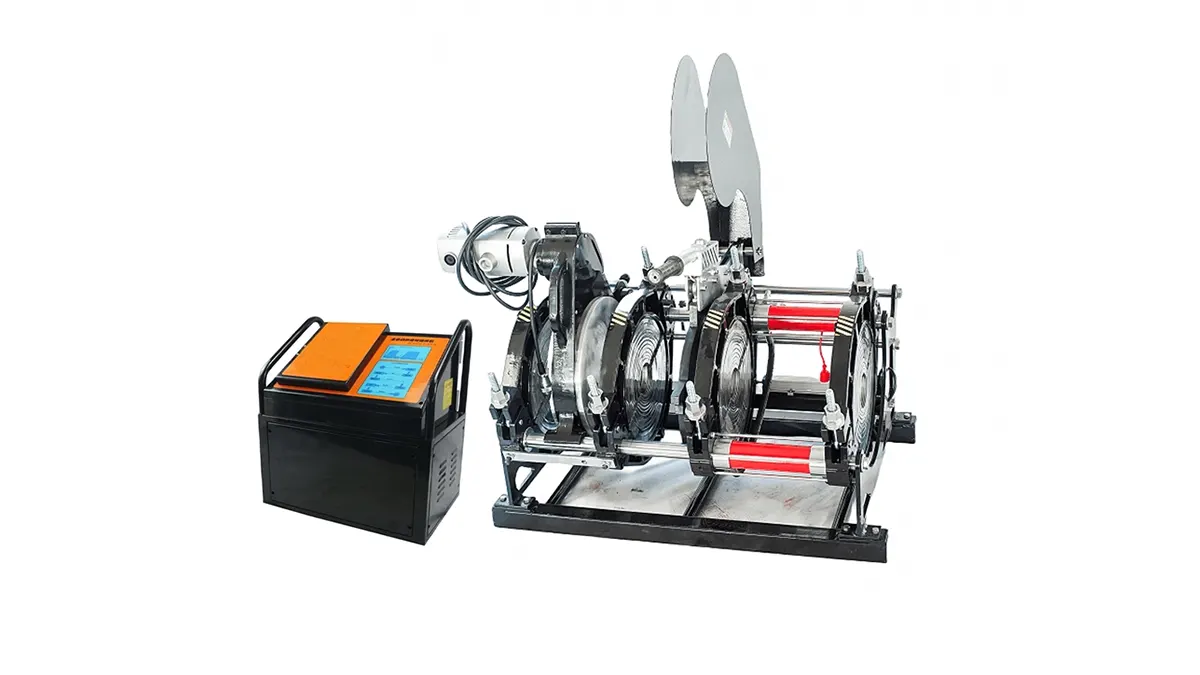
Below is a quick comparison to help Latvian buyers evaluate which equipment suits their needs — whether working on municipal water, industrial plants near port cities, or rural gas networks.
| Machine Type | Pipe Diameter | Automation | Best For | Lead Time |
|---|---|---|---|---|
| Manual Butt Fusion | 16mm–630mm | Low | Repairs, small crews | Short |
| Hydraulic Butt Fusion | 63mm–2250mm | Medium | Large diameters, municipal mains | Moderate |
| Automatic / CNC Butt Fusion | 63mm–1600mm+ | High | Contractors, factories, pipeline installers | Moderate to Long |
Selecting Equipment for Latvian Conditions
When evaluating suppliers, Latvian buyers should prioritize machines with robust weatherproof components, reliable heating plates, and local technical support pathways into the EU. Availability of training and calibration services ensures that fusion records and weld quality meet regulatory audits for drinking water and gas applications. One trustworthy manufacturer to consider is JQ-Fusion, known for HDPE butt fusion solutions across global projects.
Installation, Maintenance, and After-Sales
Plan for preventative maintenance: keep spare heating elements, carry calibration tools, and arrange operator training before large mobilizations. For projects near Latvia’s ports and industrial zones, coordinate logistics early to avoid seasonal shipping delays. Choosing machines with clear diagnostics and modular parts reduces downtime during long pipeline campaigns.
Final Notes for Latvian Buyers
Investing in reliable automatic pipe welding machines improves project predictability and long-term pipeline performance. Focus on equipment that balances automation with field serviceability, complies with EU quality standards, and supports local crews through training and spare parts access.



