
Choosing the right electrofusion welding machine for HDPE pipes in Ethiopia requires balancing local site conditions, project scale, and long-term maintenance needs. This guide helps contractors, municipal engineers, and rural water providers evaluate options and select equipment that delivers reliable joints for water supply, gas distribution, and irrigation networks across Ethiopia’s diverse terrains.
Why Electrofusion Works Well in Ethiopia
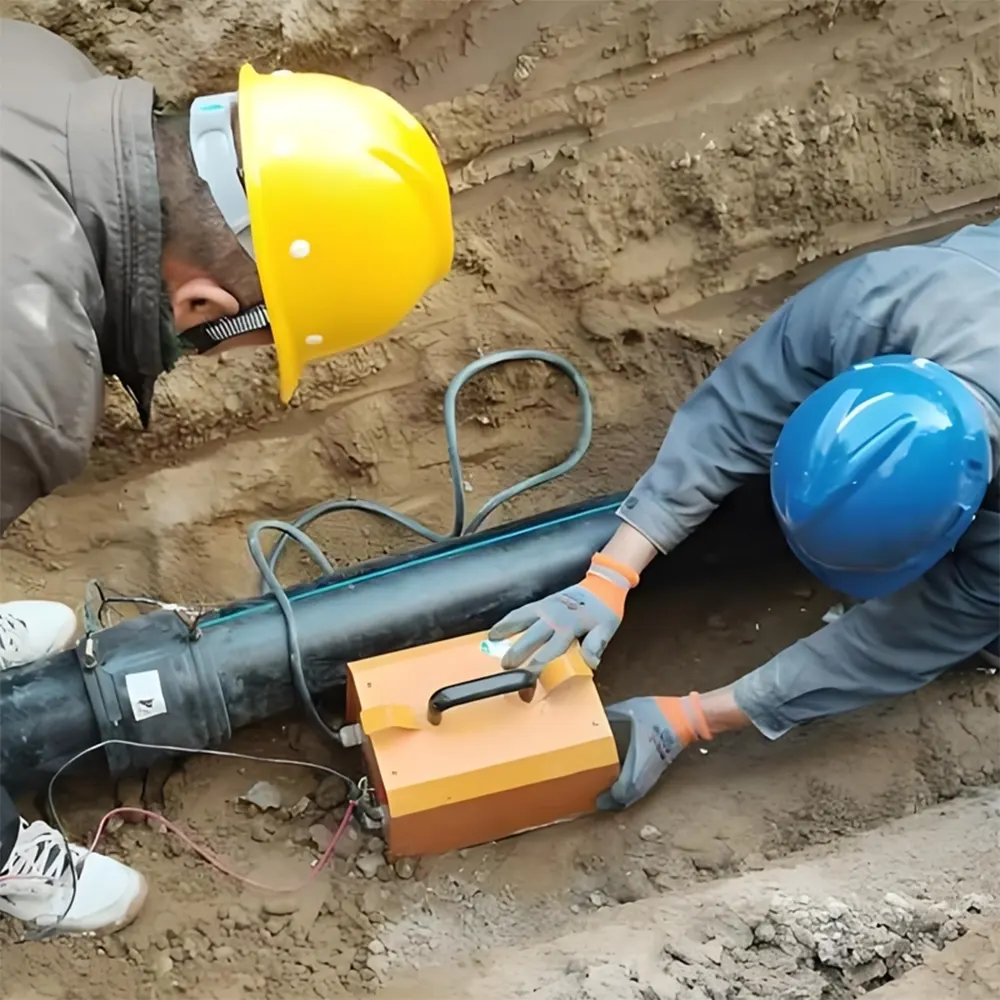
Electrofusion welding provides consistent, high-integrity joints that are ideal for the varied requirements of Ethiopian projects — from urban water mains in Addis Ababa to remote irrigation lines in the Rift Valley. The method is well-suited to environments where precise alignment and limited on-site machining improve final pipeline performance. Electrofusion reduces the need for extensive hot-work permits and can shorten installation time where trained teams are available.
Key Benefits for Local Projects
• Fewer field failures thanks to uniform heating and controlled parameters — important for Ethiopia’s remote supply lines.
• Minimal pipe beveling and preparation needed, saving skilled labor time on-site.
• Portable units enable work in hard-to-reach rural locations where transporting large machinery is difficult.
Typical Applications in Ethiopia
Water supply networks (urban and rural), irrigation systems for agriculture, gas distribution in growing towns, and mining or industrial pipelines where HDPE is preferred for corrosion resistance.
Key Features to Look For
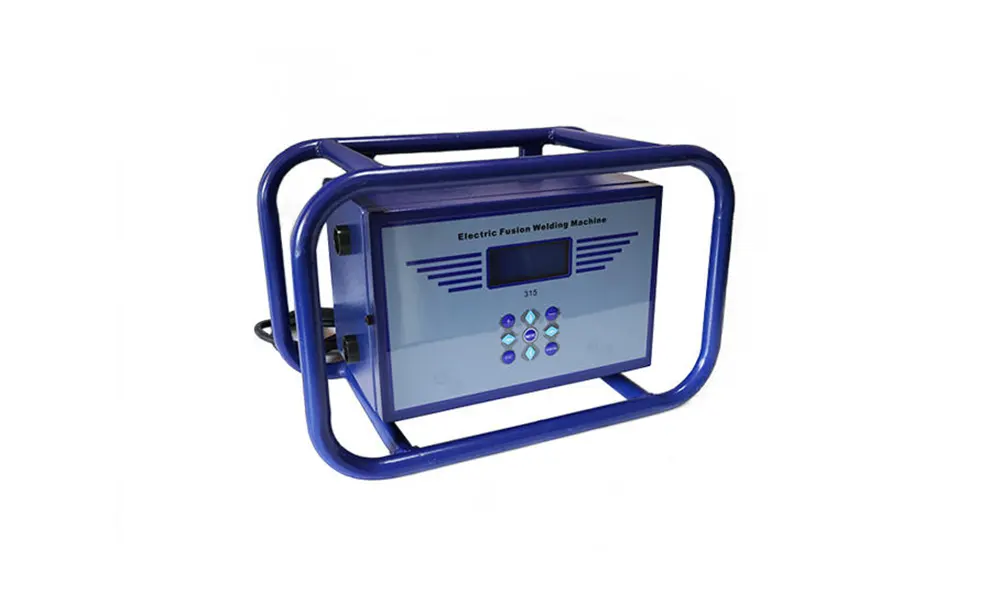
• Stable, easy-to-read control interface with local language support or clear iconography for Amharic-speaking operators.
• Robust casing and dust protection for dry and dusty Ethiopian job sites.
• Battery backup or low power modes for sites with intermittent 220V/50Hz supply.
• Portable form factor vs. bench models depending on project mobility.
Comparing Machine Types
| Machine Type | Pipe Range | Strengths | Best for Ethiopia |
|---|---|---|---|
| Portable Electrofusion Unit | 20–250 mm | Lightweight, battery options, low logistics | Rural field teams, small water projects |
| Bench/Workshop Electrofusion | 20–800 mm | Controlled environment, high throughput | Fabrication yards, prefabrication for big projects |
| CNC / Automated Electrofusion Systems | 200–1600+ mm | Precision, data logging, repeatability | Large municipal or industrial installations |
Technical Considerations for Ethiopian Conditions
• Power: Ethiopia uses 220V/50Hz — confirm machine compatibility and consider UPS or portable generators for long rural shifts.
• Temperature & Dust: Choose models with sealed electronics and cooling systems designed for dusty, high-temperature sites common in lowland areas.
• Materials: Ensure compatibility with local HDPE standards (PE80/PE100) and fusion fittings; verify spare parts availability or fast shipping options.
Training, Certification & After-Sales
• Operator training is crucial — proper fusion technique reduces rework and increases joint life.
• Look for machines with data logging and test reports for QA/QC on major contracts and donor-funded projects in Ethiopia.
• Local service partners or reliable spare parts shipping will reduce downtime for government and contractor teams.
Procurement Tips & Budgeting
• Prioritize reliability over lowest cost: a higher-quality unit reduces lifecycle costs on critical water and gas networks.
• Factor in accessories: fusion saddles, clamps, calibration tools, and a training package.
• If working with donors or public projects, request machines with traceable welding records and ISO-compliant test features.
Quick Checklist Before Buying
• Confirm pipe/material compatibility (PE grade and pressure class).
• Verify power requirements and battery options for remote work.
• Ask about training, spare parts lead times, and warranty terms.
About JQ-Fusion
JQ-Fusion is a professional manufacturer specializing in HDPE pipe welding machines, offering manual, hydraulic, and CNC automatic solutions suitable for Ethiopia’s water, gas, and industrial pipeline projects. For procurement inquiries and technical specifications, check the manufacturer’s site.
Next step: evaluate your project scale, site logistics, and operator skill level against the table above to choose an electrofusion solution that minimizes downtime and secures long-term pipeline performance in Ethiopia.



