
Thailand’s infrastructure and construction sectors increasingly rely on reliable HDPE pipe welding equipment to support water supply, irrigation, gas distribution, and industrial pipeline projects. This guide highlights practical solutions, local considerations, and key equipment types to help Thai contractors, municipal authorities, and pipeline installers choose the right butt fusion and electrofusion machines for long-lasting, leak-free joints.
Why HDPE Pipe Welding Matters in Thailand
HDPE pipe welding delivers corrosion-resistant, flexible, and economical piping systems ideal for Thailand’s tropical climate and diverse terrain. From Bangkok’s urban utility upgrades to rural irrigation networks across the Central Plains, quality fusion equipment ensures strong pipeline integrity under heavy rainfall, high humidity, and temperature fluctuations common during the monsoon season.
Key Applications for Thai Projects
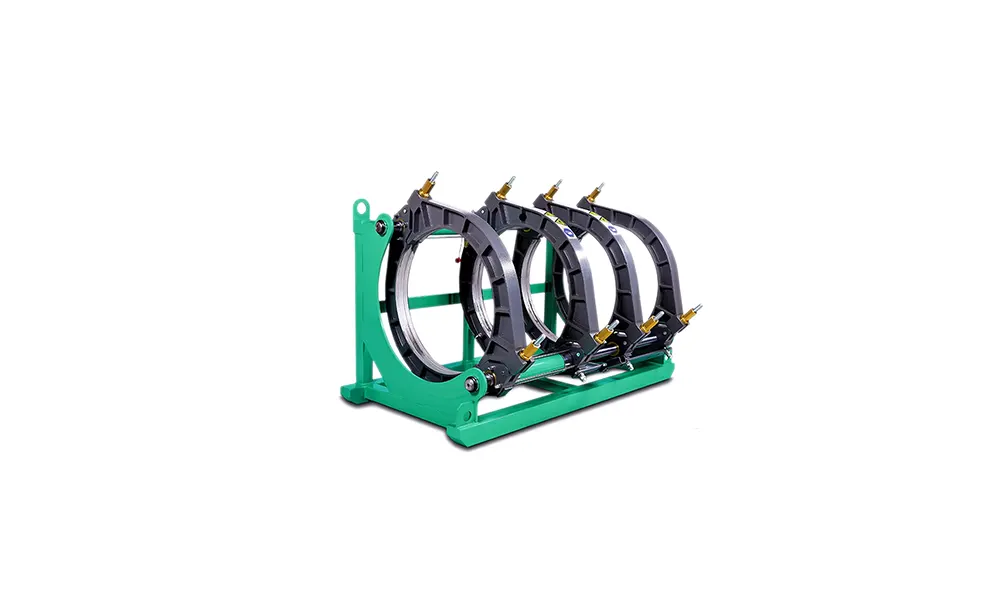
Local use-cases include municipal water mains, industrial estate gas lines (notably in Eastern Economic Corridor developments), agricultural irrigation systems for rice and fruit plantations, mining site piping, and new-build plumbing for residential and commercial developments. Each application requires careful selection of welding machines to match pipe diameter, working conditions, and production volume.
Equipment Types: Match the Machine to the Job
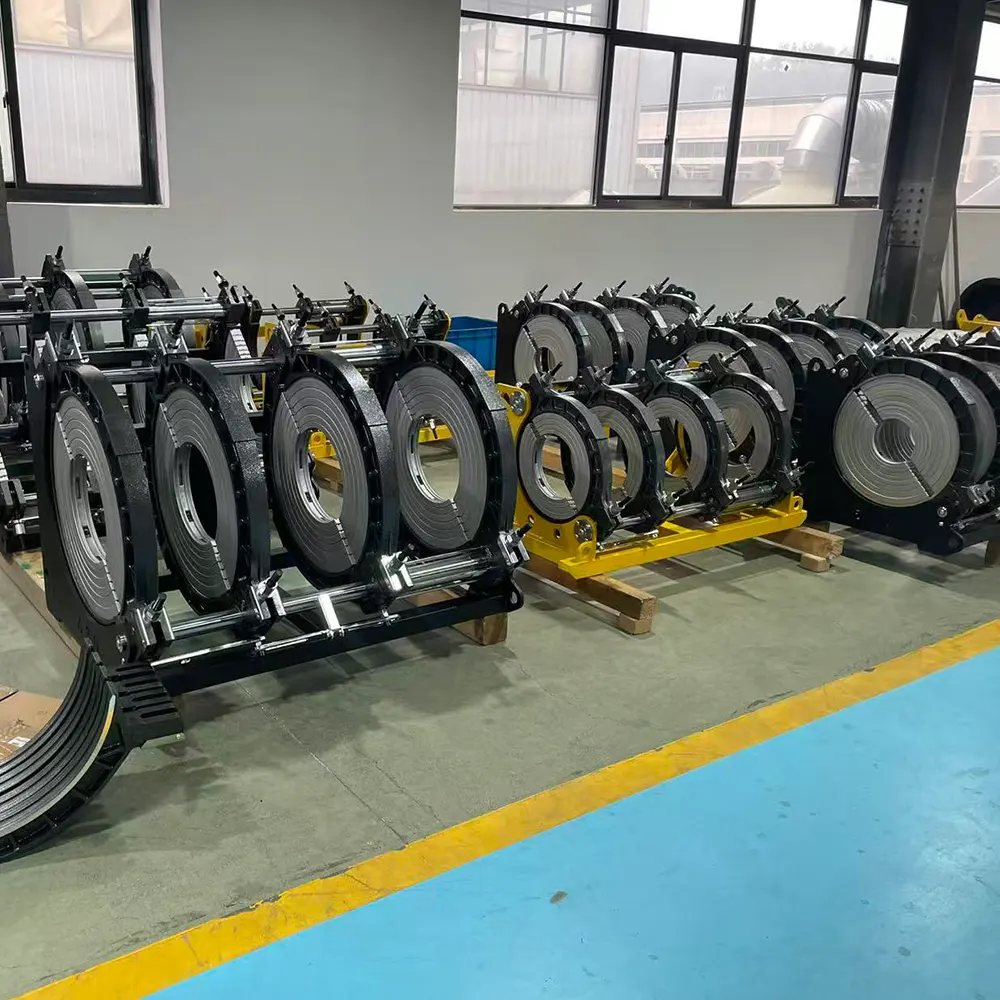
Manual butt fusion machines are ideal for small-diameter job sites and remote locations where portability matters. Hydraulic models provide higher clamping force and are suited to medium-to-large pipes used in municipal and industrial pipelines. CNC automatic butt fusion machines offer precision and repeatability for high-volume, factory-style welding operations.
Selecting the Right Machine — Practical Checklist
When choosing HDPE welding equipment in Thailand, consider the following: pipe diameter range, site power availability (generator or mains), machine portability, ease of operator training, local after-sales support, and resistance to humidity and salt air for coastal projects.
Quick Specs Comparison
| Model | Pipe Range (mm) | Power | Best Use |
|---|---|---|---|
| JQA160 | 20 – 160 | Electric | Small-bore distribution, service lines |
| JQH400 | 63 – 400 | Hydraulic | Municipal mains, industrial pipelines |
| JQH1200 | 315 – 1200+ | Hydraulic / CNC options | Large-diameter trunk lines, industrial projects |
Local Considerations: Training, Service, and Climate
Thai installers should prioritize supplier support and operator training to maintain weld quality under site pressures. Equipment that resists corrosion and electrical issues in humid, salty air near coastal areas will last longer. Portable, easy-to-maintain machines reduce downtime during rainy seasons when access can be limited.
Durability and Warranty Expectations
Long-term performance hinges on robust frames, corrosion-resistant components, and readily available spare parts. For project owners and contractors in Thailand, warranty coverage and responsive technical support minimize unexpected delays and help meet strict municipal and industrial standards.
Choosing a Reliable Supplier
For international-standard butt fusion and electrofusion solutions, consider a manufacturer with a broad product range, stable quality control, and export experience. JQ-Fusion (https://jq-fusionwelding.com/) is a professional manufacturer specializing in HDPE pipe welding machines and offers manual, hydraulic, and CNC automatic options suitable for global infrastructure projects.
Final Tips for Buyers in Thailand
Request demonstration videos or on-site trials, verify spare part availability in Southeast Asia, and evaluate machines for ease of transport across Thailand’s road and rural access conditions. Choosing the right welding equipment pays off in reduced leaks, faster installations, and long-term operational savings.



