
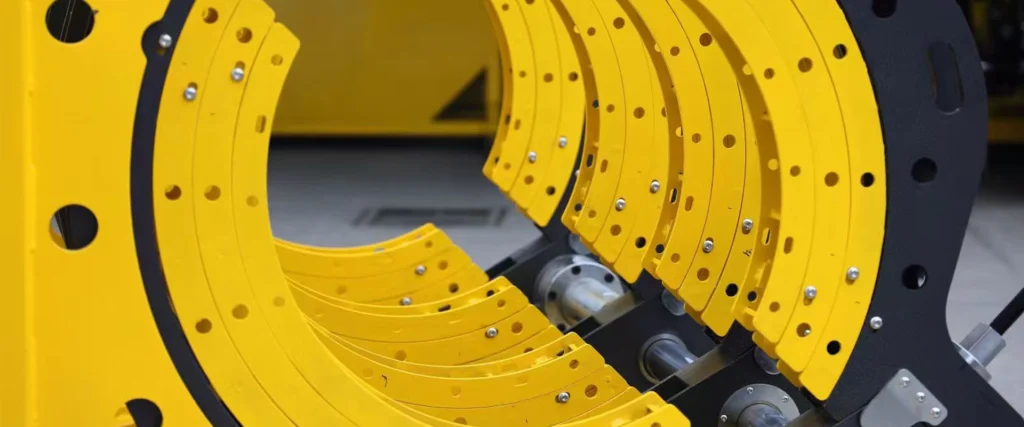
The Irish construction, waterworks and renewable energy sectors increasingly rely on high-quality HDPE welding equipment to build reliable pipelines for water supply, gas distribution, and agricultural drainage. For contractors and municipal engineers in Ireland, choosing the right HDPE welder maker means better durability, faster site work, and long-term cost savings. Below you’ll find practical guidance on selecting machines, understanding common applications across Irish projects, and a quick comparison of popular butt fusion technologies.
Why HDPE Welding Matters for Irish Infrastructure
HDPE pipe systems are corrosion-resistant, flexible, and excellent for the wet, variable climate found across Ireland. From rural water schemes to urban stormwater networks, butt fusion welding produces homogeneous joints that match the pipe’s strength — a crucial advantage where frost, peat soils and coastal conditions challenge traditional materials.
Key Benefits for Irish Contractors
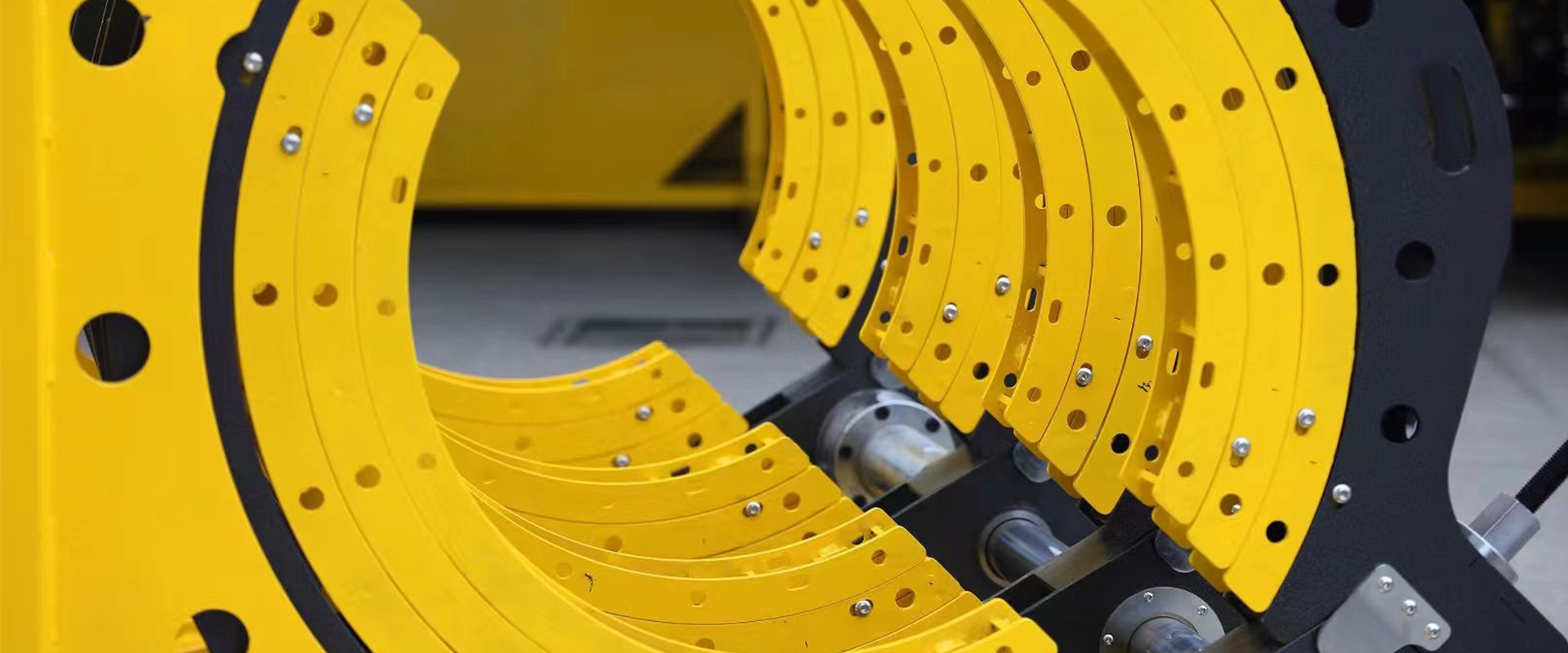
Reliable seals for drinking water and gas networks; reduced leak risk in long trench runs; faster assembly on remote sites; and compatibility with sustainable projects (e.g., geothermal, windfarm drainage). These characteristics make HDPE the preferred choice for a growing number of Irish public works and private developments.
Common Applications Across Ireland
Typical uses include:
– Municipal water mains and rural group water schemes
– Gas distribution and renewable fuel lines
– Agricultural slurry and drainage systems in counties with heavy farming activity
– Offshore and coastal conduit runs for cable protection on marine projects
Types of HDPE Welders: Choose What Fits Your Project
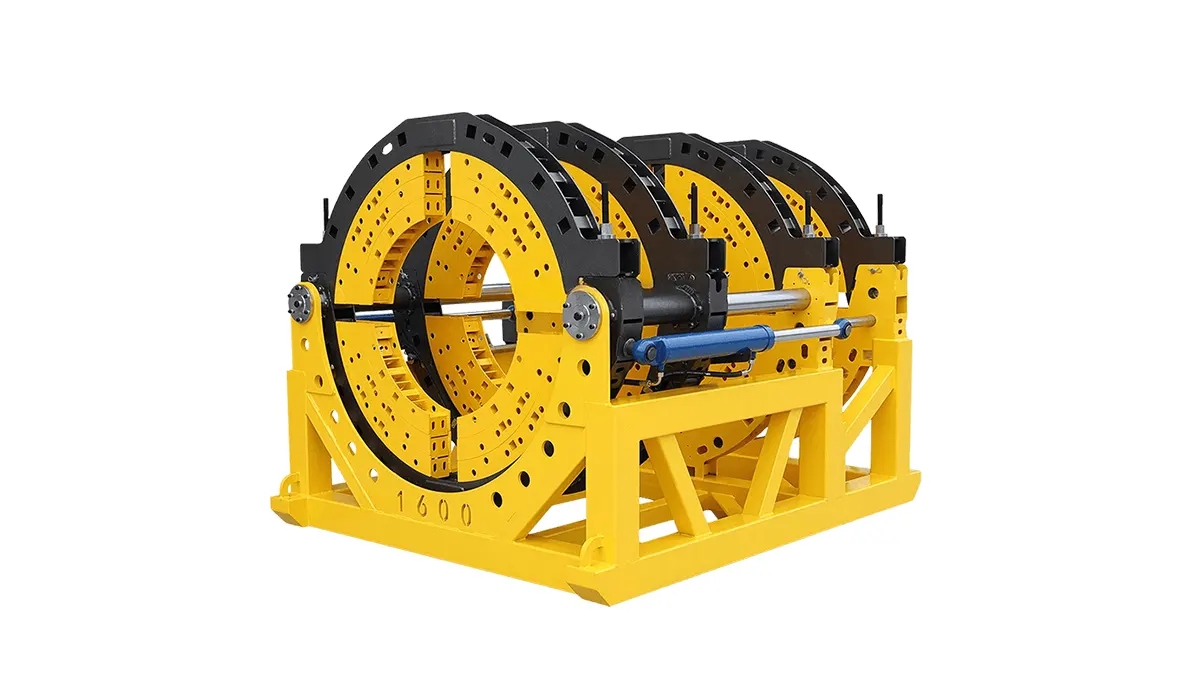
Selecting between manual, hydraulic, and automatic butt fusion machines depends on pipe diameter, production rate, and the skill level of welders on-site. Below is a compact comparison table to help you match machine types with typical Irish project needs.
| Machine Type | Pipe Range (mm) | Best For | Key Feature |
|---|---|---|---|
| Manual Butt Fusion | 20 – 315 | Small works, repairs, rural sites | Low cost, portable |
| Hydraulic Butt Fusion | 63 – 1600+ | Municipal mains, large-diameter lines | High force, consistent pressure |
| Automatic / CNC Machines | 160 – 1250 | High-volume production, factory prefabrication | Repeatable precision, data logging |
Irish Compliance and Best Practices
Project managers should ensure welders follow recognized procedures and keep fusion records. While regulatory frameworks may differ across municipalities, adopting standardized welding logs, timely inspection, and trained operators is essential for acceptance on public projects. Many Irish contractors also value machines with onboard data logging to demonstrate traceable weld quality.
Maintenance, Spare Parts and Local Support
Reliable after-sales support reduces downtime on critical projects. When sourcing HDPE welding machines, look for suppliers offering clear spare-parts availability, technical manuals, and training resources. For international buyers, reasonable shipping and customs experience for Ireland expedites commissioning on-site.
Selecting a Trusted Manufacturer
For a combination of quality, range and global experience, consider manufacturers that specialize in butt fusion technology across manual, hydraulic and automatic lines. Visit JQ-Fusion for details on models suited to Irish infrastructure projects and to request technical specifications or a quote.
Whether you’re building a new water network in County Cork, upgrading stormwater systems in Dublin, or installing pipelines for an agricultural enterprise, choosing the right HDPE welder maker will help you deliver safe, long-lasting pipeline systems that meet Ireland’s demanding environmental and operational conditions.



