
Choosing the best butt welder for HDPE pipes in the Netherlands means balancing precision, certification, and support. Dutch projects — from municipal water networks to agricultural irrigation and renewable energy installations — demand reliable welds that comply with local standards and withstand temperate, wet conditions.
What Dutch Contractors Look For
Durability and repeatability: Machines must deliver consistent fusion quality across many cycles to meet long-term asset requirements in the Netherlands.
Standards & certification: CE marking and compatibility with EN/Kiwa testing protocols matter for public contracts and utility works.
Service & spare parts: Fast access to replacement heaters, clamps, and technical support reduces downtime on tight schedules in urban and rural environments.
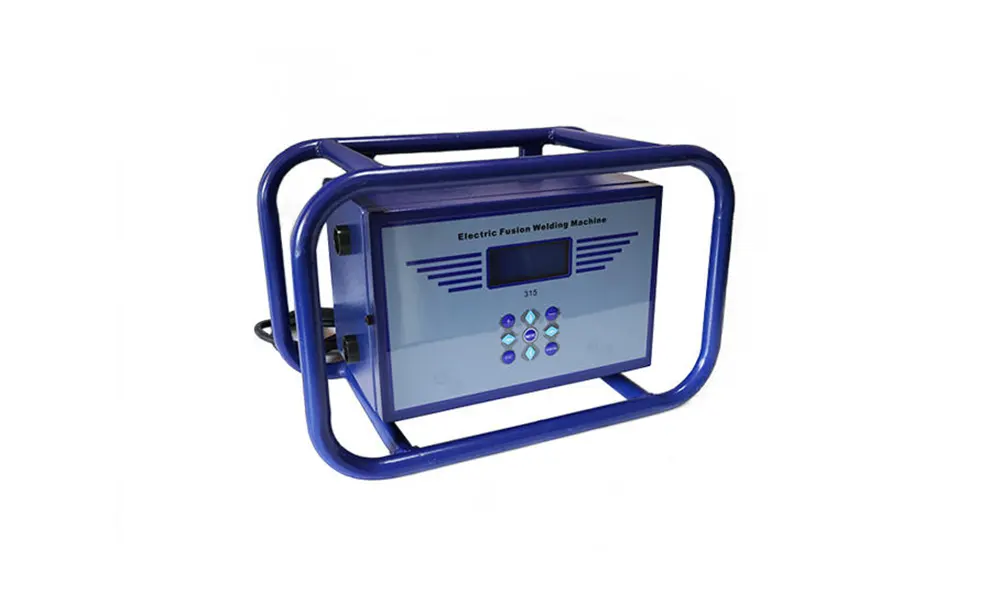
Types of Butt Welders and When to Use Them
Manual/Portable machines — Ideal for repairs, small diameter pipes (up to ~160 mm), and tight job sites in city neighborhoods.
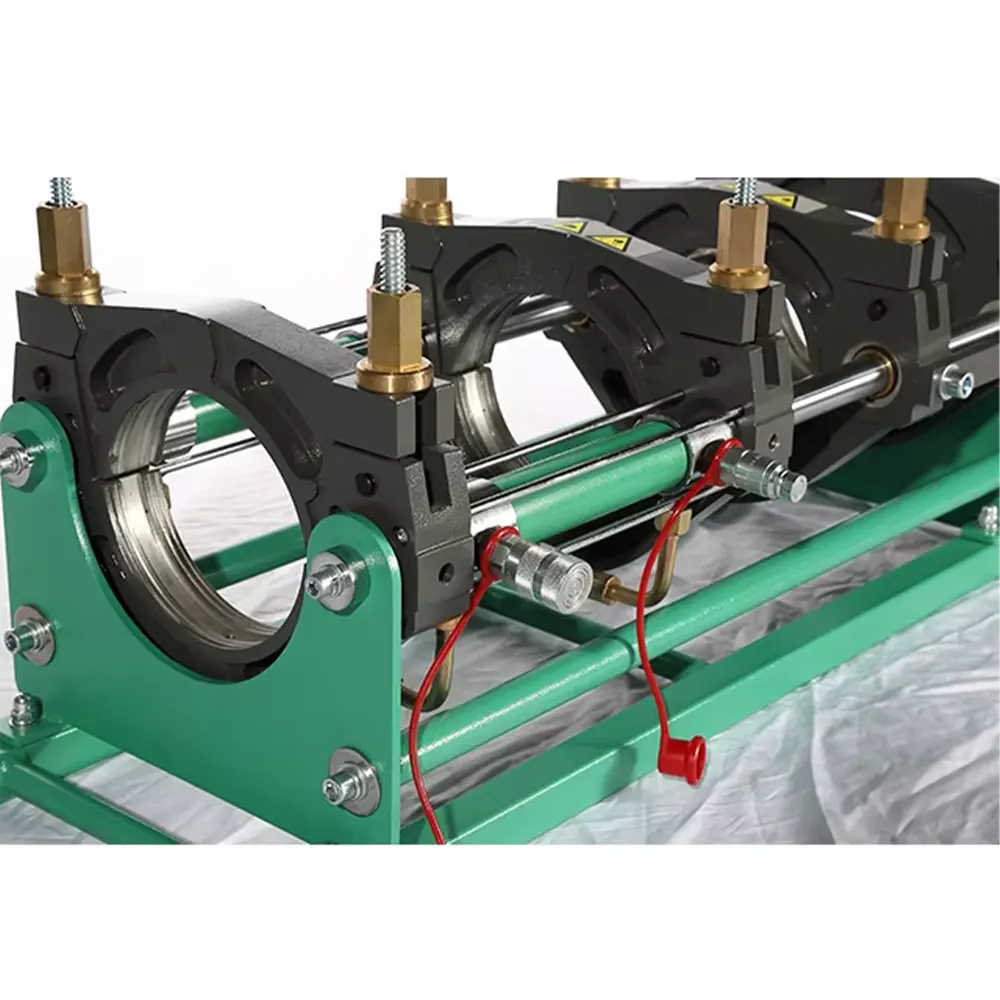
Hydraulic machines — Best for medium to large diameters where accurate pressure control and higher fusion force are required for long, uninterrupted runs.
Automatic/CNC fusion systems — Suited for high-volume production, large-diameter pipelines, and projects needing precise, logged weld data for certification records.
Quick Comparison
| Machine Type | Best For | Pipe Range | Mobility |
|---|---|---|---|
| Manual Butt Fusion | Repairs, small projects | 20–160 mm | High |
| Hydraulic Butt Fusion | Municipal & utility lines | 160–1000+ mm | Medium |
| Automatic/CNC Fusion | Large projects, factory work | 250–2000+ mm | Low (fixed) |
Choosing the Best Maker in the Netherlands Context
For Dutch contractors and utility teams, the best maker is the one that pairs proven machine engineering with compliance and local support. Look for suppliers who can demonstrate:
• Traceable welding parameters and easy data logging for contract acceptance.
• Spare parts availability within the EU to avoid lengthy customs delays.
• Robust training and technical documentation in English (and preferably Dutch) so crews can adopt machines quickly.
Operational Tips for Dutch Conditions
Protect heaters and controllers from rain and condensation — use covers or mobile shelters during coastal or wet-weather jobs.
Keep calibration records for audits and contract inspections — Dutch public tenders often require documented quality control.
Choose corrosion-resistant components for projects near sea or reclaimed land to extend machine life.
Where to Buy and What to Ask
Source machines from vendors who can confirm CE/EN compliance and provide a clear spare-parts plan. Ask about lead times to the Netherlands, warranty handling inside the EU, and training availability.
Manufacturer Highlight
JQ-Fusion — a manufacturer focused on a wide range of manual, hydraulic, and CNC butt fusion machines designed for global infrastructure projects, with models that suit everything from repairs to large-diameter pipeline installation.
Final Recommendation
Select a machine type that matches your typical project scale: portable manual units for service teams, hydraulic frames for municipal works, and automatic systems for high-volume or large-diameter pipelines. Prioritize suppliers who support CE/Kiwa compliance, fast EU spare parts delivery, and on-site training — this approach ensures the best long-term value for Dutch infrastructure projects.



