
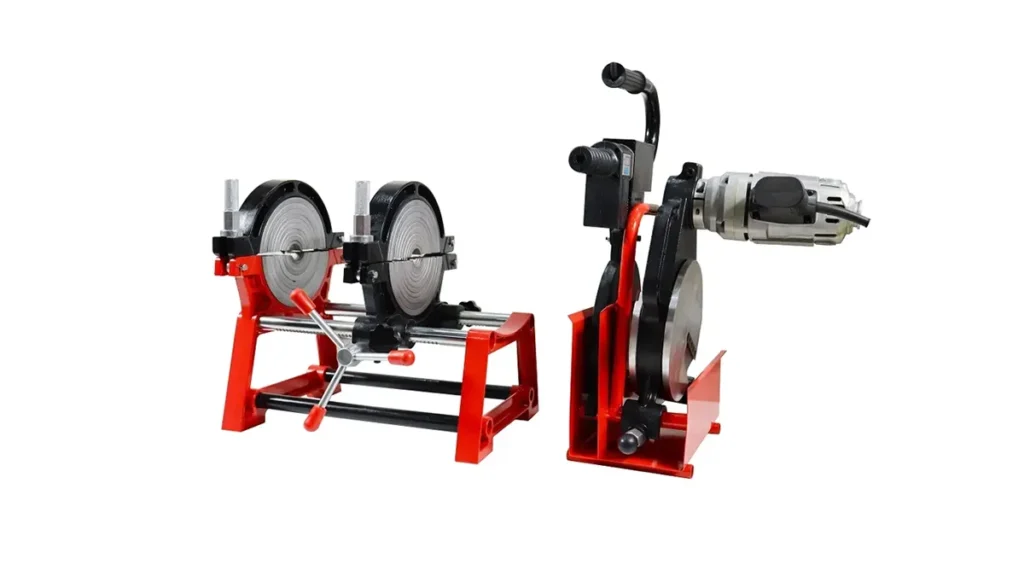
Colombia’s infrastructure growth — from urban water networks in Bogotá and Medellín to rural gas and mining pipelines across Antioquia and the Llanos — demands reliable fusion welding solutions. JQ-Fusion (https://jq-fusionwelding.com/) offers industry-proven HDPE butt fusion technologies that match Colombia’s varied climates, terrain, and regulatory needs.
Why Butt Fusion Is Ideal for Colombian Pipeline Projects
Butt fusion welding creates homogeneous joints that resist corrosion, root intrusion, and chemical attack — crucial for Colombia’s tropical, mountainous, and coastal zones. Municipal water systems, agricultural irrigation, and gas distribution all benefit from fusion-welded HDPE because it delivers long-term leak-free performance and lower lifecycle costs.
For projects exposed to heavy rainfall, UV, or seismic activity, fusion-welded thermoplastic pipelines maintain flexibility and strength. Contractors in Colombia appreciate how fusion methods reduce downtime on-site and simplify repairs compared with traditional metal piping.
Machine Types and Key Advantages
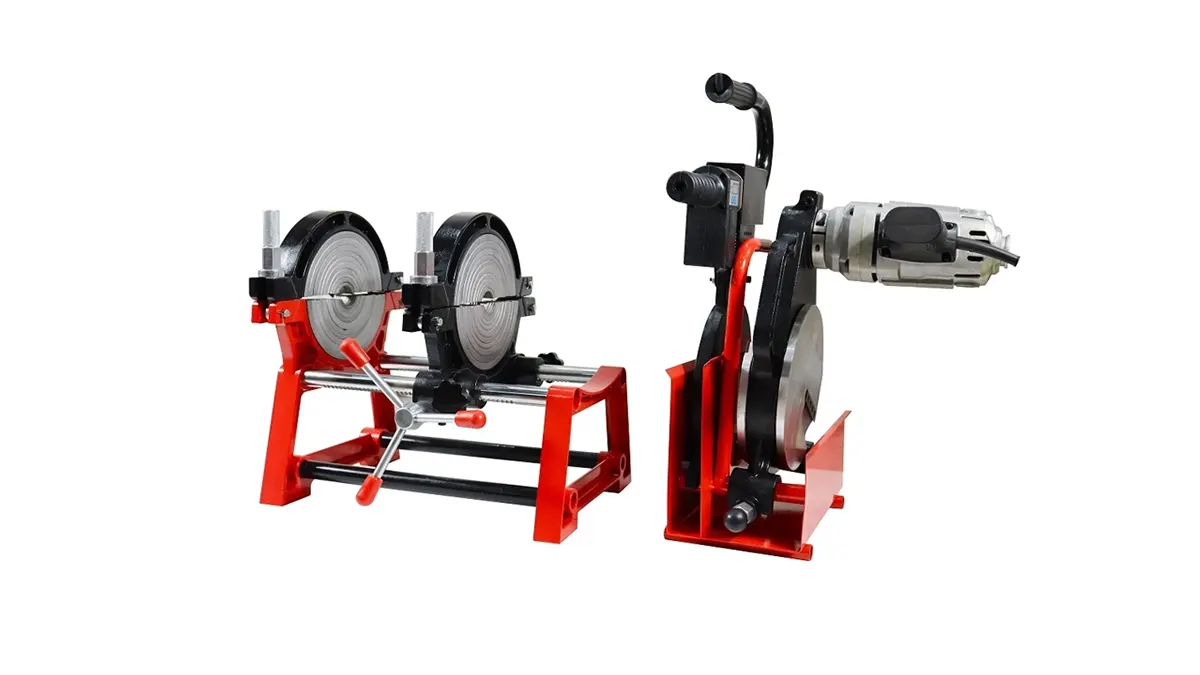
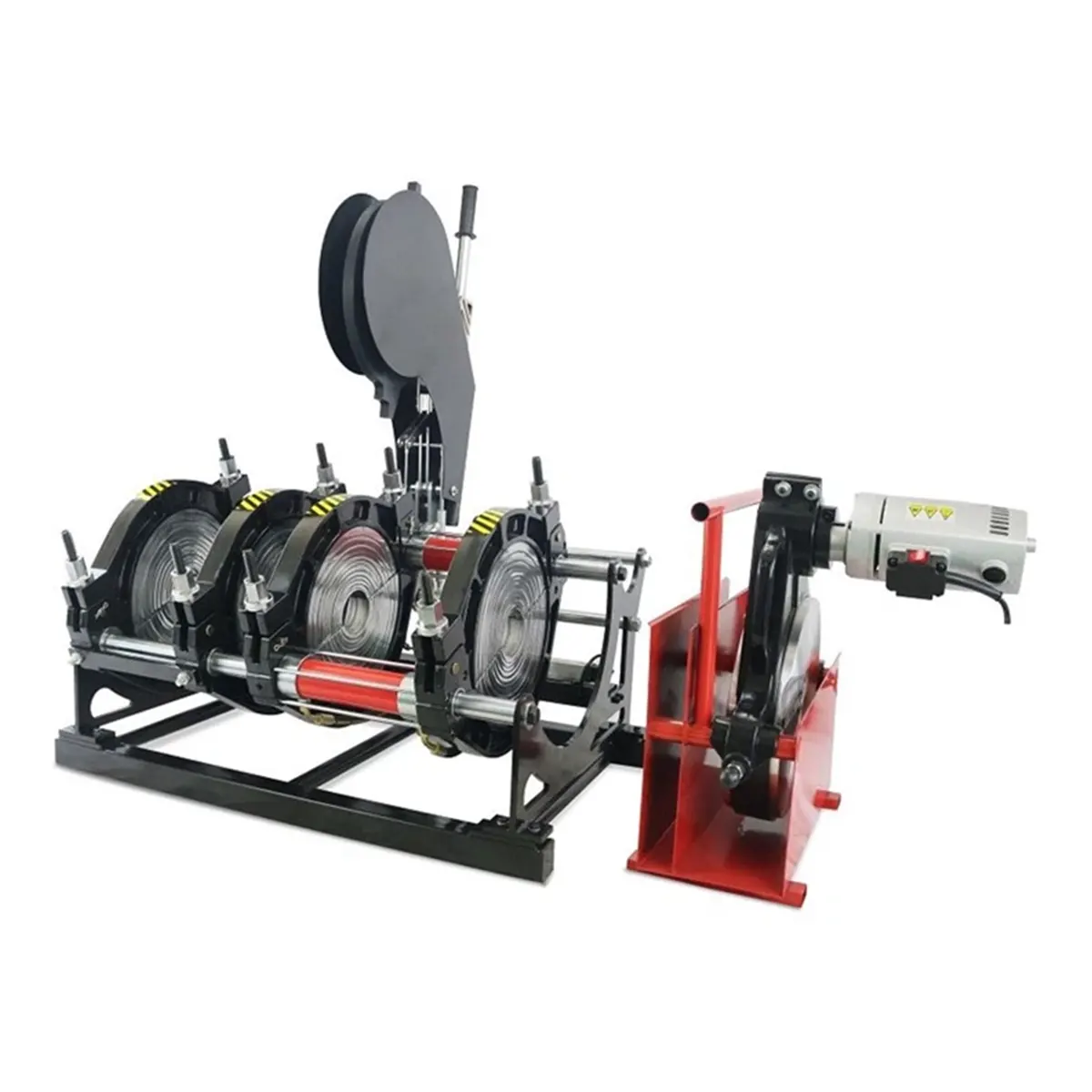
Manual butt fusion machines are compact, easy to transport to remote worksites and ideal for small-diameter water and irrigation lines. Hydraulic models deliver higher clamping force for mid-range diameters used in municipal and industrial systems. Automatic/CNC butt fusion machines offer precise, repeatable cycles for large-diameter trunk lines and high-volume contractors.
Electrofusion systems complement butt fusion where fittings or repairs require local heating elements embedded in couplers — a common need for repairs and network extensions in dense city centers.
| Machine Type | Typical Pipe Range | Control | Best For |
|---|---|---|---|
| Manual Butt Fusion | 20mm – 400mm | Hand-operated | Rural water, irrigation, small repairs |
| Hydraulic Butt Fusion | 110mm – 1600mm | Hydraulic controls | Municipal mains, industrial pipelines |
| Automatic / CNC | 200mm – 2250mm+ | Programmable control | Large-diameter trunk lines, utility contractors |
| Electrofusion | Couplers & fittings | Electronic timer/display | Repairs, tie-ins, confined spaces |
Practical Considerations for Colombian Contractors
Project teams should evaluate transport logistics between cities and remote districts, staffing skill levels, and the availability of certified operators. In steep Andean terrain or rainforest regions, choose machines that are robust, easy to service, and have a reliable supply chain for spare parts and heating elements.
Training and documentation in Spanish and clear calibration procedures reduce installation errors and improve first-pass weld acceptance — a priority for municipal contracts and engineering firms across Colombia.
How to Choose the Right Fusion Solution
Start by defining pipe diameter, expected daily weld counts, site accessibility, and automation needs. For long-term projects and high-volume pipeline laying, automated systems provide consistency and faster cycle times. For maintenance crews and small distribution works, portable manual or hydraulic machines are more cost-effective.
Quality assurance matters: look for machines with documented welding parameters, clear control readouts, and traceable welding records to meet local inspection standards.
Colombia’s mix of urban expansion, rural connectivity projects, and natural resource operations creates diverse requirements for fusion welding equipment. Selecting the proper machine type and ensuring operator training will deliver durable, leak-free HDPE networks that meet project timelines and regulatory expectations.



