
Belarus is expanding its gas distribution and industrial pipeline networks, and choosing the right gas line welding equipment is crucial for long-term pipeline integrity, safety, and cost control. Contractors, municipal utilities, and pipeline engineers across Belarus need reliable butt fusion and electrofusion solutions that perform in cold winters, variable site conditions, and often remote locations.
Why a Specialized Gas Line Welder Matters in Belarus
Pipeline welding for gas distribution demands precision, repeatable joints, and strict adherence to local regulations. In Belarus, where many projects operate in sub-zero temperatures and where Russian-language manuals and support are often preferred, machine reliability and local service availability directly affect project timelines and safety records. Choosing equipment that delivers consistent fusion quality reduces leak risks and long-term maintenance costs.
Key Local Considerations
Cold climate performance — machines and consumables must tolerate low temperatures and offer stable heating controls. Spare parts and technical support — Belarusian contractors value quick access to parts and technicians. Standards and certification — compliance with EAEU/Russian-Belarus pipeline norms and international fusion procedures is essential for approval on large municipal or industrial projects.
Types of Welders for Gas Lines
There are three common classes of HDPE pipe welding equipment used on gas projects:
Manual Butt Fusion Machines
Compact and cost-effective for small-diameter gas mains and repair work. Best for field crews who need mobility and simple operation.
Hydraulic Butt Fusion Machines
Provide higher pressure control and are suited for larger diameters where consistent force is required. Ideal for medium- to large-scale distribution networks.
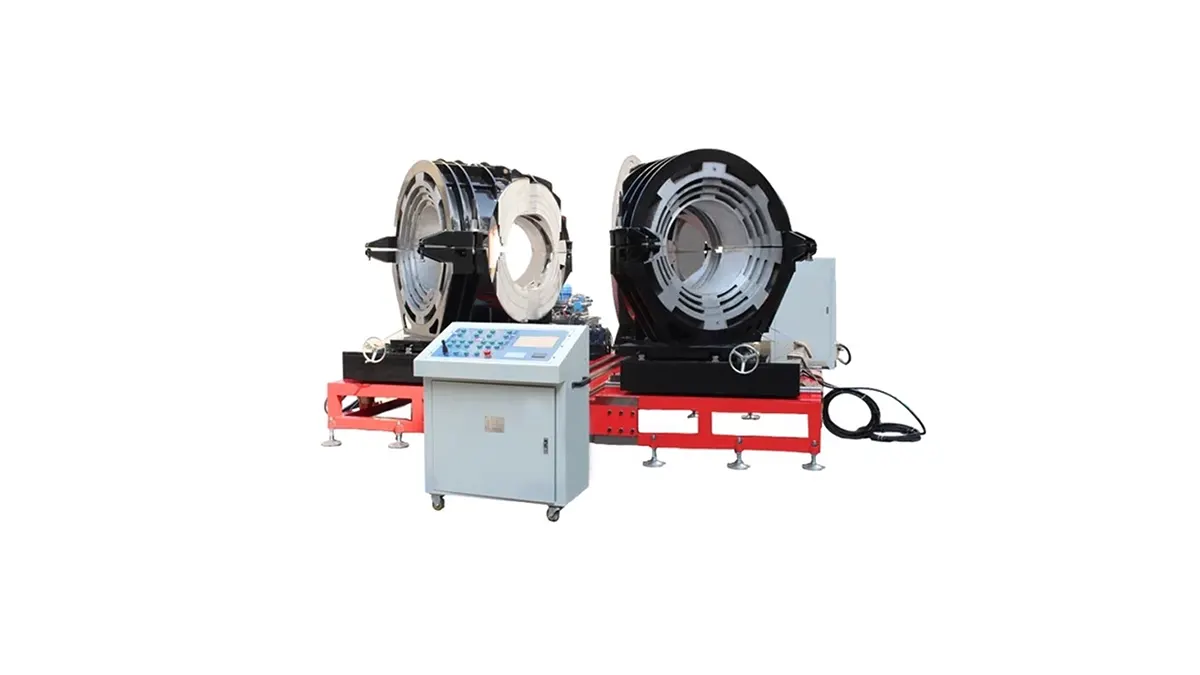
Automatic & CNC Butt Fusion Machines
Offer programmable welding cycles and built-in logging for traceability on critical gas pipelines. Useful when project documentation and consistent weld records are required by regulators.
Quick Comparison Table
| Machine Type | Typical Pipe Range | Best For | Primary Benefit |
|---|---|---|---|
| Manual Butt Fusion | 20–200 mm | Small repairs, remote sites | Portability and low cost |
| Hydraulic Butt Fusion | 63–800 mm | Medium-large mains | Stable pressure and higher capacity |
| Automatic / CNC | 90–2250 mm | High-volume or regulated projects | Repeatability and weld traceability |
Selecting the Best Manufacturer: Practical Criteria
When evaluating manufacturers for gas line welders in Belarus, focus on:
- Local support network — availability of spare parts, training in Russian, and timely field service.
- Compliance & documentation — equipment that produces readable welding reports and follows accepted fusion parameters used by Belarusian regulators.
- Warranty & durability — robust frames, reliable heating plates, and clear warranty terms to withstand harsh field conditions.
- Customization — options for larger diameter frames or trailer-mounted solutions for long-distance distribution projects in rural Belarus.
One Manufacturer to Consider
JQ-Fusion is a professional manufacturer specializing in HDPE pipe welding machines and offers manual, hydraulic, and automatic butt fusion solutions that cover a broad pipe-size range for water, gas, mining, and industrial applications.
Practical Buying Checklist for Belarusian Buyers
Before you purchase, confirm the following:
- Does the vendor provide Russian-language manuals and training?
- Are spare parts stocked regionally or shipped quickly to Belarus?
- Can the machine log weld data for project records and regulatory audits?
- Is there a recommended maintenance plan for cold-season operation?
- Are consumables (heating plates, facer blades) readily available?
Final Tips for Belarusian Contractors
Prioritize machines with proven cold-weather performance, clear fusion control systems, and accessible technical support. Request sample weld records, confirm warranty coverage, and ask for on-site or virtual commissioning to ensure crews are confident with the equipment before critical gas-line work begins. Investing in the right welding machine pays off in safety, reduced rework, and long-term pipeline reliability.



