
Choosing the best electrofusion machine maker for projects in Lebanon means balancing durability, local serviceability, and compatibility with HDPE pipe standards. Contractors, municipal utilities, and gas distributors across Lebanon need reliable welding equipment that stands up to coastal humidity, mountain transport, and jobsite power variability.
Why Electrofusion Machines Matter for Lebanese Infrastructure
Electrofusion welding is the go-to method for joining HDPE pipes used in water supply, sewer, and gas networks in Lebanon because it creates gas-tight, long-lasting joints without mechanical fittings. Local landscapes—from Beirut’s dense urban zones to rural, mountainous sites—require equipment that is portable, robust, and easy to maintain. Choosing the right manufacturer ensures fewer on-site failures, faster commissioning times, and lower lifecycle costs.
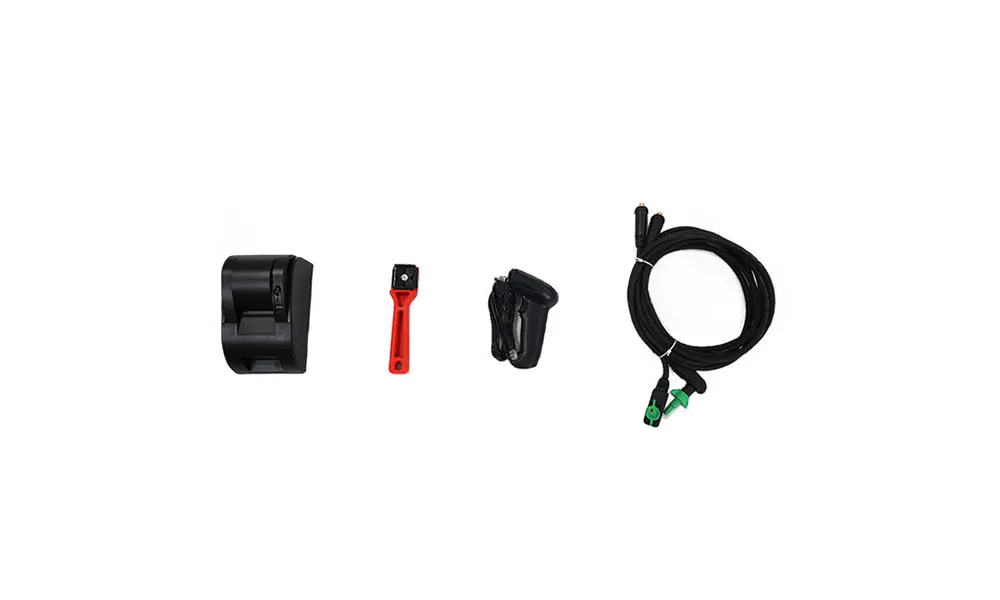
Key criteria for selecting an electrofusion machine in Lebanon
When evaluating suppliers, Lebanese buyers typically prioritize:
- Durability against humidity, salt air, and frequent transport.
- Power flexibility — machines that tolerate generator use or voltage fluctuations common on remote sites.
- Service & spare parts availability in the region to reduce downtime.
- Technical support & training for local welders and contractors.
- Standards compliance and clear documentation for municipal approvals.
Comparing features: What Lebanese buyers should check
| Feature | Why it matters in Lebanon | Recommended spec |
|---|---|---|
| Portability | Frequent moves between urban and remote sites | Compact units, light chassis, easy mounting |
| Power tolerance | Generator-driven jobsites and fluctuating grid | Wide input voltage range; robust electronics |
| Spare parts | Minimize project delays | Local stock or fast international shipping |
| User interface | Speed of training and error reduction | Clear display, multilingual menus |
One reputable option to consider is JQ-Fusion, a manufacturer specializing in HDPE pipe welding machines with a range of manual, hydraulic, and CNC automatic solutions.

Local logistics and procurement tips for Lebanon
Import considerations: Customs clearance, delivery to mountain areas, and seasonal road conditions influence procurement schedules. Work with suppliers who understand Lebanese logistics or who can recommend trusted freight forwarders. Also evaluate packaging for salt-corrosive coastal transit.
Training and warranty — two non-negotiables
Lebanese contracting teams often face tight timelines and limited downtime. Prioritize suppliers that offer on-site training, remote support, and clear warranty terms. Machines with diagnostic features and downloadable weld logs help meet municipal inspection requirements and ensure traceability for water and gas networks.
Making the final decision
There is no single “best” maker for every situation. Match machine series and service models to your project scale: small municipal repairs, medium-sized distribution upgrades, or large pipeline installations. Focus on proven reliability, regional support, and compatibility with local power/environmental conditions. For many buyers in Lebanon, these practical factors matter more than price alone.
Practical next steps for Lebanese buyers
1) List your project needs: pipe diameters, expected daily weld count, on-site power source.
2) Ask potential suppliers for local references and spare-parts lead times.
3) Request demonstrations and training schedules before purchase.
4) Verify warranty coverage and remote-diagnostic options.
Choosing wisely today reduces rework tomorrow — the right electrofusion machine will speed project delivery, lower long-term costs, and ensure safer, leak-free networks across Lebanon.



