
Polyethylene (PE/HDPE) pipe welding is a cornerstone for rebuilding and expanding Palestine’s water, gas and irrigation networks. Contractors, municipal engineers, NGO project managers and agricultural cooperatives need reliable fusion machines that deliver consistent, leak-free joints under challenging site conditions — from urban rehabilitation projects to remote field irrigation systems.
Why Poly Pipe Fusion Matters in Palestine
Durability and leak-resistance are essential for long-term infrastructure in Palestine, where maintenance access can be limited and water conservation is a priority. Proper butt fusion and electrofusion welding of HDPE pipes reduce failure risk, improve system longevity, and meet international pipeline standards used by water utilities and gas distributors.
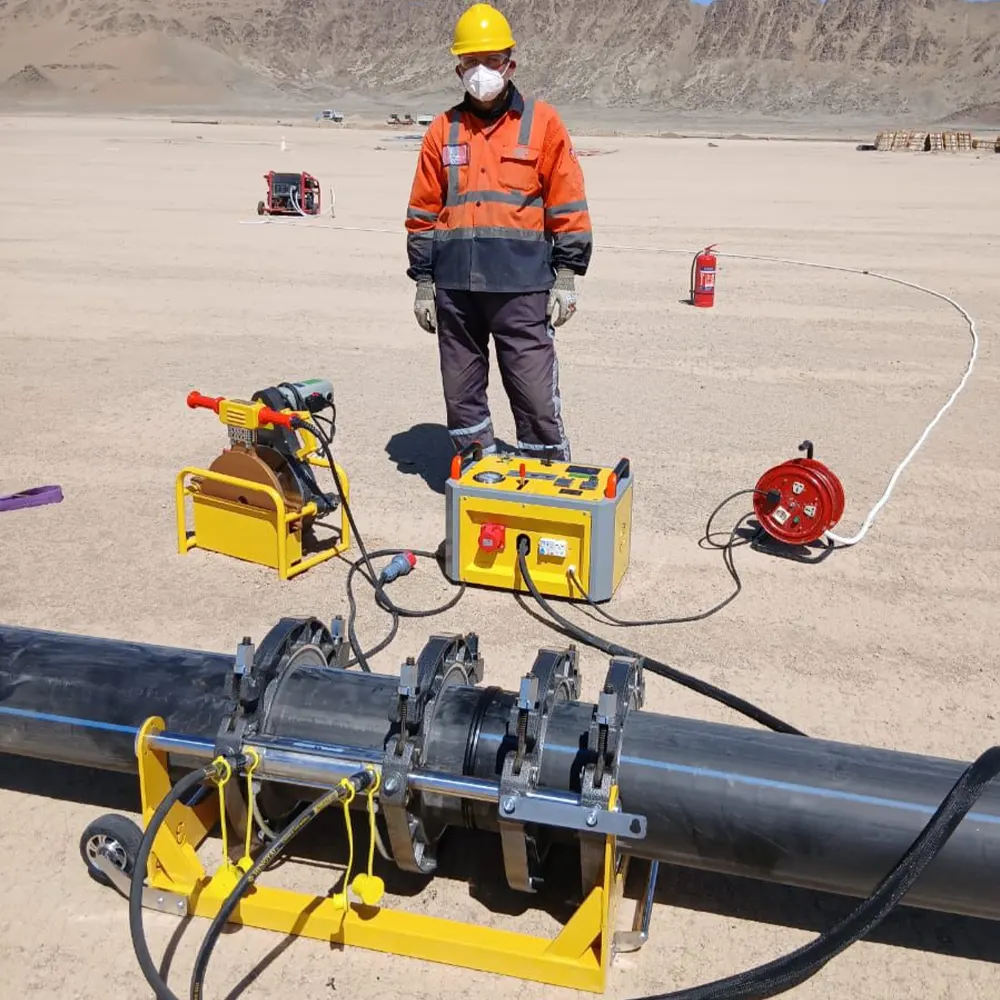
Key Fusion Technologies: Manual, Hydraulic & Automatic
Different project scales require different machines. Manual units are ideal for small-scale repairs and rural teams; hydraulic frames suit medium-to-large pipeline crews working on municipal networks; CNC automatic systems deliver precision and efficiency for industrial and large-diameter mains. Electrofusion machines are preferred for fittings, branch connections and quick, controlled joins in constrained sites.
Benefits for Local Stakeholders
Municipalities gain leak-tight mains and lower non-revenue water. NGOs and humanitarian agencies benefit from portable, easy-to-operate equipment for emergency repairs. Contractors and suppliers see faster project cycles and fewer callbacks, and farmers get durable irrigation lines that reduce downtime and conserve precious water.
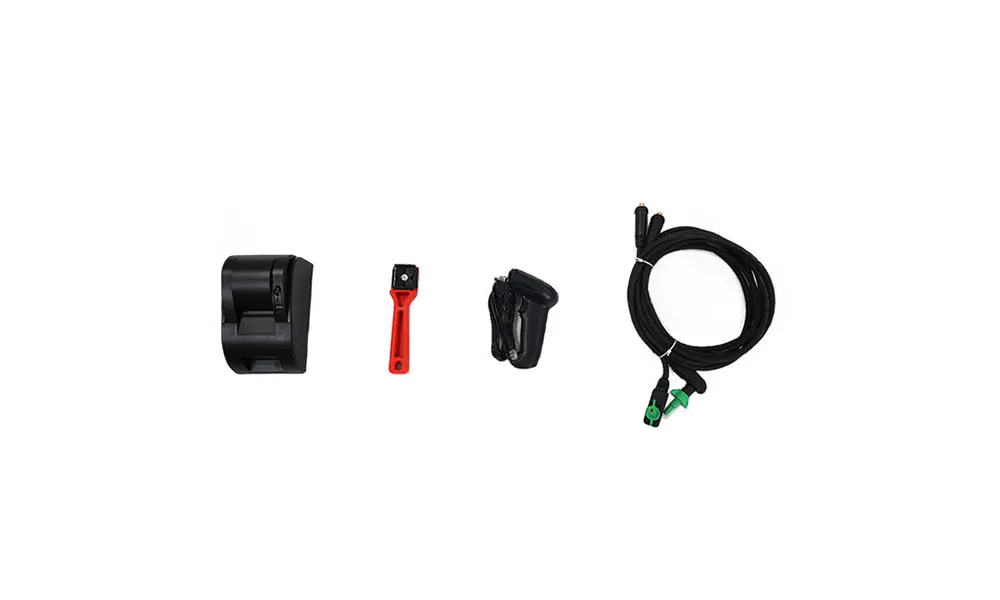
Quick Comparison — Which Machine Fits Your Project?
| Machine Type | Pipe Range | Best For |
|---|---|---|
| Manual Butt Fusion | 16–160 mm | Small repairs, remote teams |
| Hydraulic Butt Fusion | 160–1250+ mm | Municipal mains, large projects |
| Automatic/CNC Butt Fusion | 63–1250+ mm | High-volume, precision welding |
| Electrofusion Machines | Fittings & small diameters | Fittings, branch connections |
Selecting the Right Machine for Palestinian Projects
Evaluate project scale, workforce skill level, and site logistics. For scattered rural networks and field irrigation, prioritize portability and simple controls. For Gaza and West Bank urban rehabilitation, select machines with rapid cycle times, reliable calibration records, and clear temperature control for consistent joints in varied ambient temperatures.
Training, Standards & Field Support
Operator proficiency is as important as equipment quality. Ensure teams are trained in ISO-standard butt fusion procedures, joint preparation and fusion parameter recording. Access to spare parts, technical manuals and responsive after-sales support shortens downtime — a key consideration for projects under tight schedules and constrained supply chains.
Sourcing and Custom Solutions
When specifying machines, look for manufacturers that offer a range of models (manual, hydraulic, and automatic), customizable clamp frames for local pipe schedules, and clear documentation. For sourcing, consider JQ-Fusion for a broad portfolio of HDPE pipe welding equipment and global project experience.
Maintenance Tips for Long-Term Performance
Regularly inspect heating plates, check alignment clamps, clean surfaces before fusion, and store control units in dry conditions. Keep a small kit of consumables and spare heaters on-site to ensure uninterrupted operations during critical repair windows.
Final Recommendation
For Palestinian contractors and engineers focused on resilient water, gas and irrigation networks, investing in the right fusion technology delivers measurable savings through reduced leaks, fewer repairs and longer pipe life. Choose machines that match project demands, support local training, and come with reliable field support to maximize uptime and performance.



