
Electrofusion welding machines are built for durability, but how long they last depends on design, usage and maintenance. This guide breaks down realistic lifespans, essential upkeep routines, and the key factors that determine when to repair or replace your unit.
Typical Lifespan by Machine Type
Electrofusion units vary from portable field models to bench-top and integrated workshop stations. Below is a quick reference to expected service life under normal operating conditions.
| Machine Type | Expected Lifespan (Years) | Maintenance Frequency |
|---|---|---|
| Portable Electrofusion Unit | 6–12 | Quarterly checks, annual calibration |
| Bench-top / Workshop Unit | 8–15 | Bi-monthly inspection, annual service |
| High-duty / Integrated Station | 10–20+ | Monthly inspection, annual overhaul |
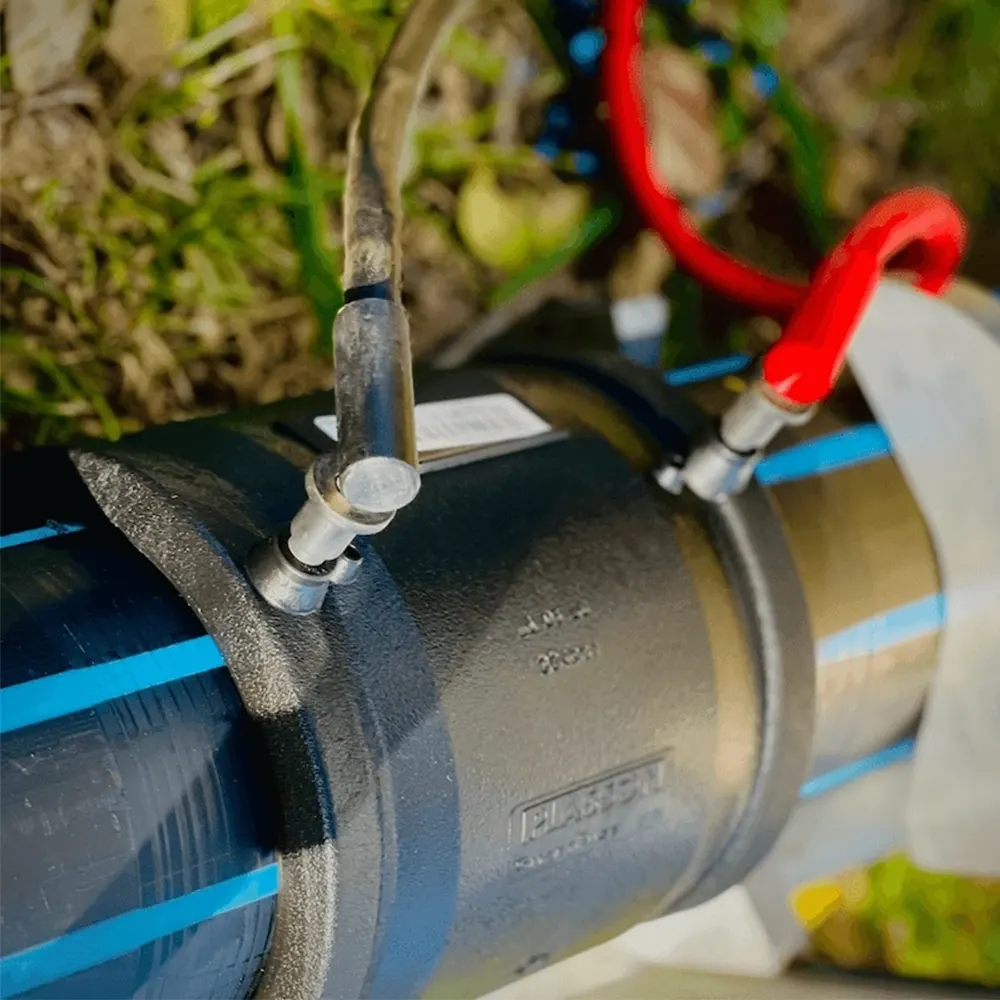
What Shortens an Electrofusion Machine’s Life?
Heavy cycles, poor power quality, harsh environments (dust, humidity, salt air), and improper storage are the most common accelerants of wear. Frequent misuse—incorrect clamping, rough handling of leads, or skipping calibration—also reduces life expectancy substantially.
Essential Maintenance Tasks
Routine care keeps electofusion units reliable and extends useful life. Key tasks include:
• Visual inspection of cables, connectors, clamps and housing for damage or corrosion.
• Electrical checks: verify output voltage, continuity of leads, and functional safety interlocks.
• Calibration of control electronics and verification of temperature/pulse settings at least annually.
• Cleaning: remove dust and debris from vents and PCB areas, and keep connectors free of contamination.
• Battery care (if portable): store charged at recommended levels and replace within manufacturer lifecycle to avoid power drops in the field.
Typical Service Schedule
Daily: quick cable and clamp check before use. Weekly: clean exterior and check fasteners. Monthly: functional test and verify output with a reference resistor. Annually: full calibration, component inspection and replace worn connectors or relays.
Signs It’s Time to Repair or Replace
Watch for these red flags:
• Buttons or touchscreen become intermittent or unresponsive.
• Output power drifts or welding profiles fail to meet specs despite correct settings.
• Repeated fuse or circuit breaker trips, or burnt/damaged connectors.
• Frequent need for corrective repairs—when yearly repair costs approach 30–40% of a new unit, replacement becomes more economical.
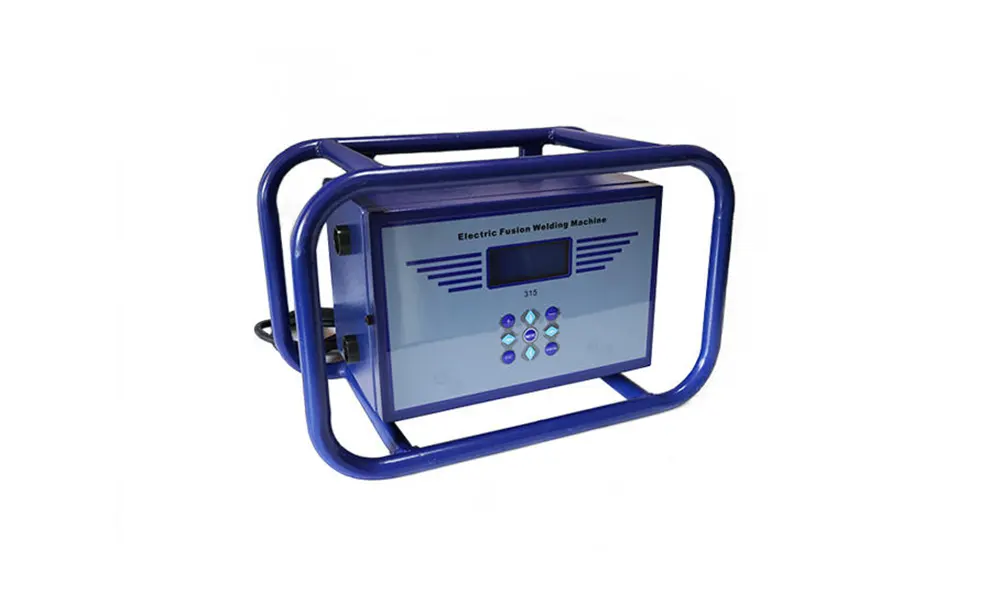
Spare Parts & Consumables
Keeping an inventory of common spares—fuses, connectors, interlock switches, heating element leads and clamps—reduces downtime. Use genuine or manufacturer-approved parts to preserve safety and performance.
Environmental and Operational Factors
Storage conditions (dry, temperature-controlled), stable power supply, and protective transport (cases/crates) dramatically influence longevity. In coastal or mining operations where salt or dust is present, increase inspection frequency and use corrosion-resistant accessories.
Operator Training and Documentation
Trained operators reduce misuse risks. Maintain clear weld logs, calibration records, and an equipment history file to support warranty claims and lifecycle planning.
Budgeting for Life-Cycle Costs
When evaluating total cost, include initial purchase price, spare parts, scheduled calibration, downtime risk, and energy consumption. High-quality, well-maintained units deliver the best ROI over time.
Warranty and Support: Confirm the warranty terms and availability of local service. Machines with accessible global support and modular parts are easier and cheaper to maintain.
About JQ-Fusion: JQ-Fusion is a professional manufacturer specializing in HDPE pipe welding machines, providing reliable butt fusion solutions for global infrastructure projects. Visit: https://jq-fusionwelding.com/



