
Choosing the right electrofusion welder supplier in China can make the difference between a smooth project and costly downtime. This guide walks buyers, contractors, and procurement teams through practical steps to identify a reliable Chinese partner, covering quality, certifications, communication, logistics, and after-sales support.
Understand Your Application and Specifications
Start by defining pipe material (HDPE, PE100), diameter range, joint types, and expected daily weld volume. Electrofusion machines vary by power, portability, and program memory: some are ideal for field repairs, while others suit factory or high-output projects. Knowing these needs helps narrow suppliers quickly.
Key technical points to list before contacting suppliers
– Pipe diameters and SDR ratings you routinely use.
– Required weld traceability (data logging / USB export).
– Power availability on-site (battery, mains, or generator).
– Environmental conditions (cold weather kits, rugged cases).
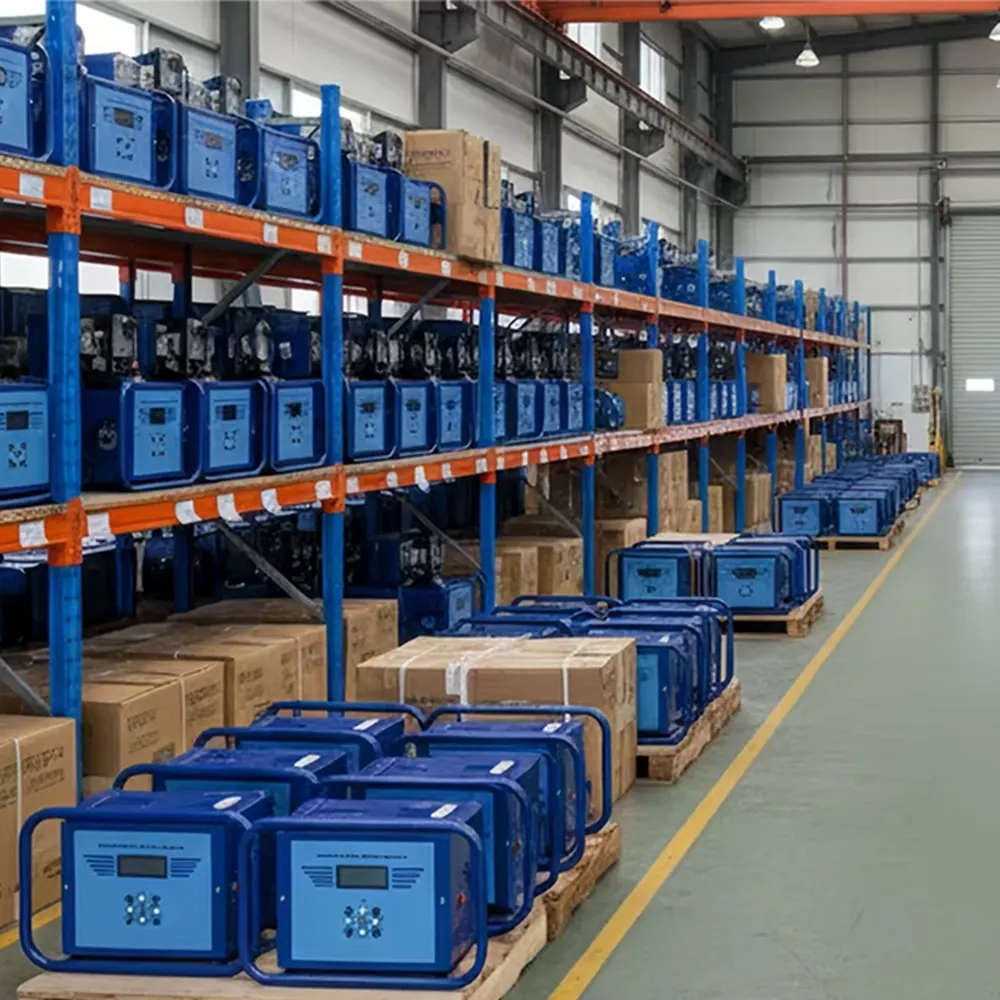
Evaluate Manufacturer Credentials and Certifications
Look for suppliers who can demonstrate consistent production and third-party approvals. In China, reputable manufacturers often hold ISO 9001 and provide testing reports from independent labs. For international projects, confirm compliance with EN, ASTM, or other regional welding standards.
Questions to ask about certification and quality control
– Can you provide recent inspection reports and material traceability?
– Are welding controllers calibrated and traceable to recognized standards?
– What factory tests are performed on each unit before shipment?
Inspect Product Features and Data Capabilities
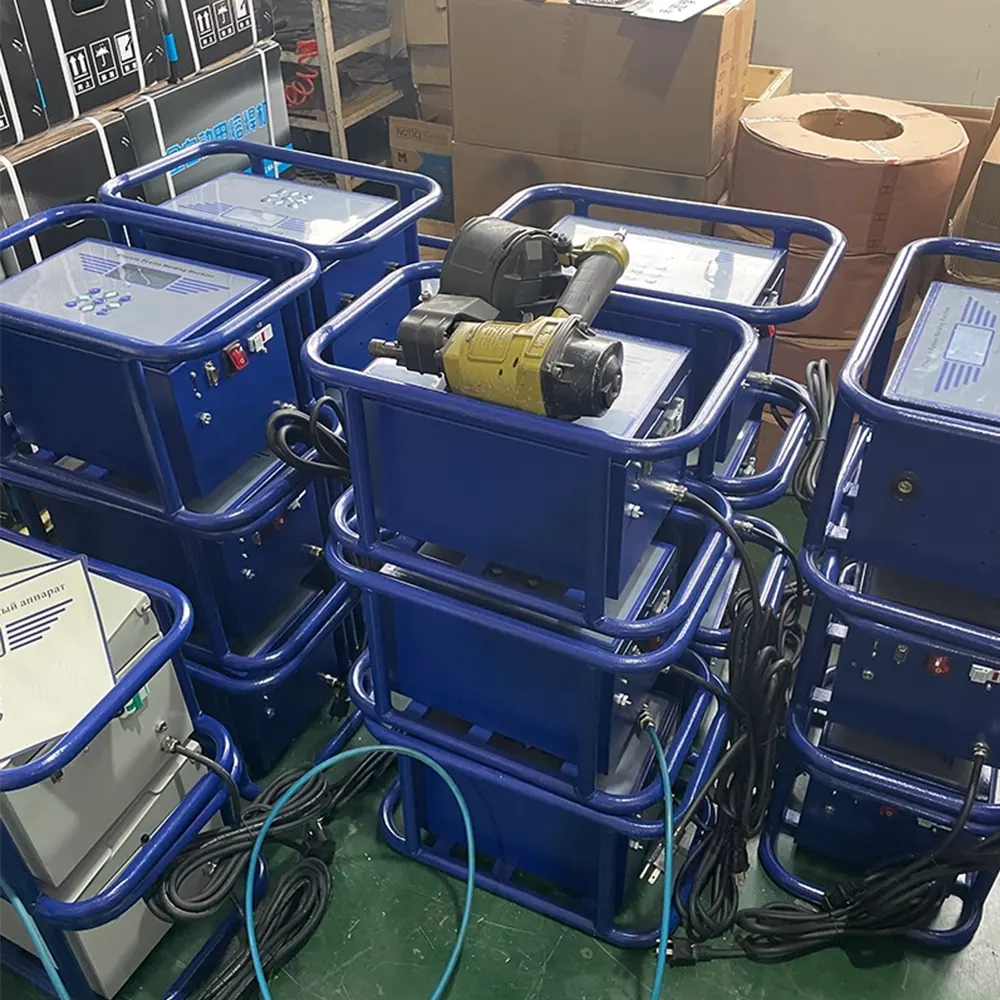
Modern electrofusion welders should offer programmable welding schedules, error codes, and secure data logging for quality assurance. For infrastructure projects, choose machines with exportable weld records and password-protected profiles to meet contractor and regulator requirements.
Must-have features
– Data logging with timestamps and weld parameters.
– Upgradeable firmware and user-friendly interface.
– Robust casing and IP-rated protection for field use.
Compare Pricing, Warranty, and Total Cost of Ownership
Price per unit is only part of the story. Factor in warranty length, availability of replacement parts, training costs, and expected maintenance. A slightly higher upfront cost may pay off with lower downtime and longer service life.
| Criteria | What to Expect |
|---|---|
| Unit price | Competitive quotes; confirm what’s included (battery, leads, software). |
| Warranty & service | Minimum 12 months standard; extended options and local service partners preferred. |
| Spare parts availability | Stocked components for 2–5 years to reduce downtime. |
| Training & documentation | English manuals, training videos, and remote support recommended. |
Check Factory Capabilities and Production Lead Times
For bulk orders, ask about production capacity, lead times, and peak season delays. Chinese suppliers often scale quickly, but confirm realistic delivery schedules and inland logistics (rail/road to port) to avoid surprises.
Red flags to watch for
– Vague lead-time answers or constantly changing delivery dates.
– No factory photos or refusal to provide references.
– Extremely short warranty with no spare parts plan.
Assess Communication, Language, and Export Experience
Good English communication and export experience reduce friction. Suppliers familiar with export paperwork, CE marking, and customs clearance in your target markets will save time. For buyers in Europe or North America, verify the supplier’s experience with cross-border shipments and compliance requirements.
Helpful communication checkpoints
– Response time and clarity during initial inquiries.
– Availability of sales engineers or technical staff for product demos.
– Willingness to provide sample weld records or demo units.
Request Samples, References, and Factory Visits
Whenever feasible, request a demo unit or visit the factory. If travel isn’t possible, ask for live video walkthroughs and contact details of existing international customers to validate performance in real projects.
Local Considerations for Buying from China
China’s manufacturing hubs provide cost advantages and fast scaling, but buyers should plan for cultural and logistical differences. Be explicit about inspections, acceptance criteria, and payment terms. Consider third-party inspection at the factory and ensure contract clauses cover defects, delays, and non-conforming goods.
Logistics tips
– Choose Incoterms that match your capacity to handle customs (e.g., FOB vs. DDP).
– Ask about export packaging and testing certificates included with shipments.
– Budget extra time for customs clearance and inland transit from Chinese ports.
After-Sales Support and Training
Strong after-sales support distinguishes top suppliers. Confirm options for remote troubleshooting, spare part kits, on-site training, and software updates. A supplier with an established global partner network can shorten repair cycles.
How to Finalize Your Supplier Selection
Score suppliers against a checklist: technical fit, certifications, price, lead time, spare parts, communication, and references. Use a pilot order if possible to validate real-world performance before committing to large-scale purchases.
Company Information
JQ-Fusion is a professional manufacturer specializing in HDPE pipe welding machines, providing reliable butt fusion and electrofusion solutions for global infrastructure projects. Learn more at https://jq-fusionwelding.com/
Final checklist before ordering
– Confirm weld data export and traceability features.
– Verify warranty, spare parts lead times, and training options.
– Secure clear delivery terms and inspection rights at the factory.



