
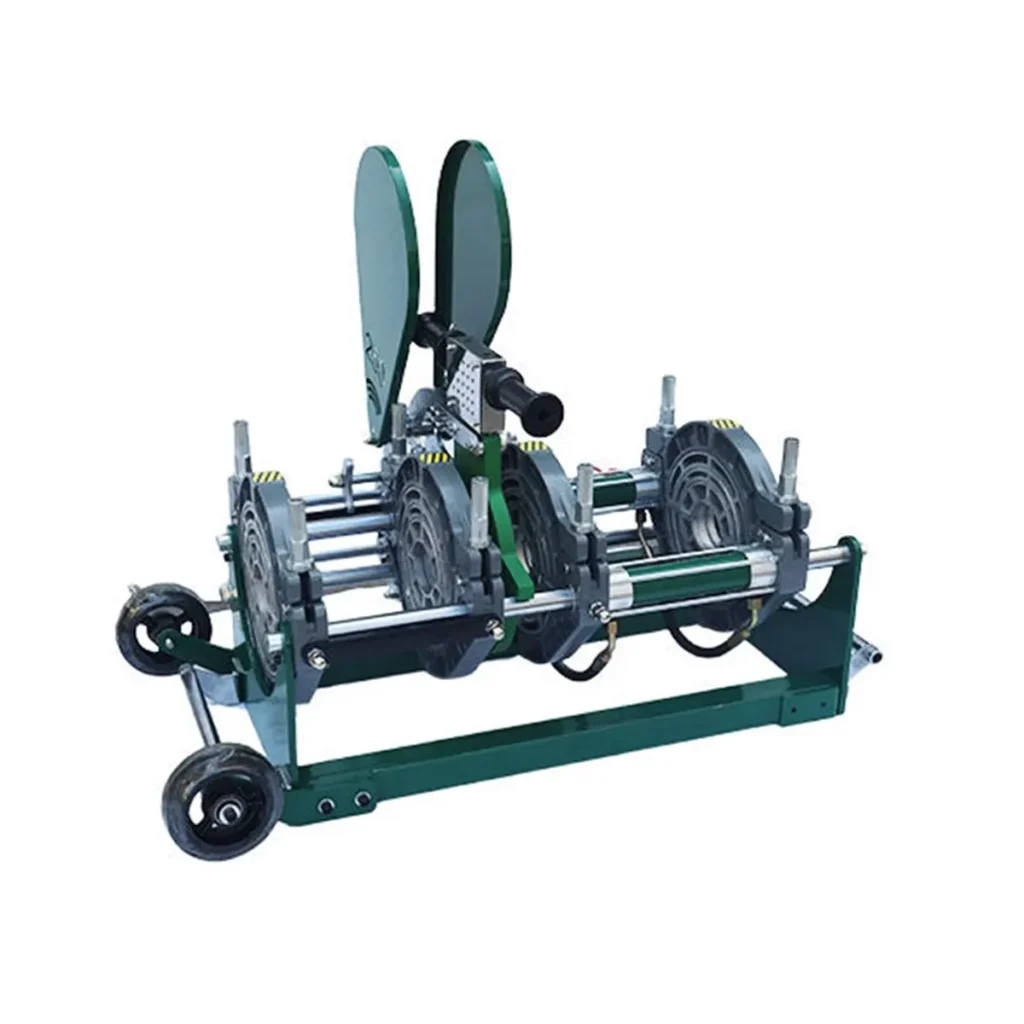
Automatic pipe welding machines are transforming pipeline construction across Nigeria, delivering faster, more consistent HDPE butt fusion joints for water, gas, irrigation and industrial projects. This guide explains what to buy, how these machines are used locally, and what prices to expect when sourcing equipment for Nigerian conditions.
Why Automatic Pipe Welding Machines Matter in Nigeria
Reliability in harsh environments: Nigerian projects—from remote rural water works to coastal infrastructure—need welding solutions that deliver consistent fusion quality despite high temperatures, dust, and variable site power. Automatic and CNC-controlled butt fusion machines reduce operator error and speed up installation on long runs of HDPE pipe. Quality joints mean fewer leaks, lower maintenance costs, and longer service life for pipelines.
Common Uses in Nigeria
– Municipal water supply and rural borehole distribution networks.
– Irrigation schemes and agricultural pipeline systems in states with expanding agribusiness.
– Gas distribution and pre-commissioning works in onshore energy projects.
– Mining and industrial plants requiring heavy-duty HDPE conduit and process lines.
– Telecom and electrical conduits where durable, corrosion-resistant runs are required.
Types of Machines & How to Choose
Choose based on pipe diameter, site conditions, and production needs:
Manual machines – Low cost, portable, good for small-diameter repairs and scattered jobs.
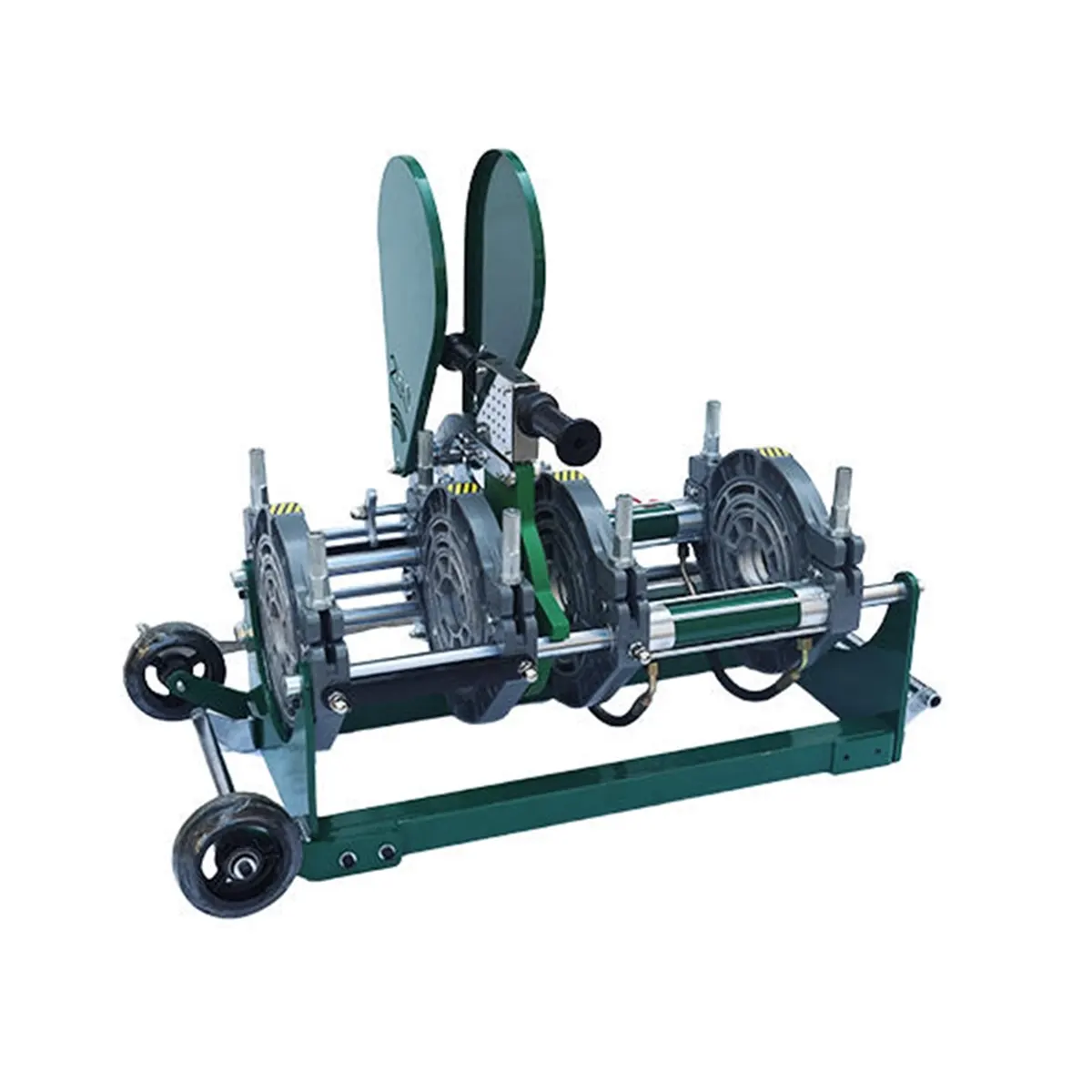
Hydraulic machines – Mid-range automation and stronger clamping for larger diameters; ideal for contractors handling frequent medium-to-large pipelines.
Automatic / CNC butt fusion machines – Best for high-volume, precision welding (especially DN160–DN630 and above). They record parameters and reduce rework, which is valuable for projects with strict QA requirements.
Site Factors Specific to Nigeria
– Power: Many sites rely on generators. Verify machine power requirements (220V/380V or diesel drive options) and generator sizing.
– Transport & Port Clearance: Consider crate size and shipping, plus customs & VAT—these affect landed cost in NGN.
– Skill level: Automatic machines reduce dependence on highly experienced welders, but training and certification are still essential for QA acceptance by local agencies.
– Climate: Machines with sealed electronics and corrosion-resistant components perform better in humid and coastal regions.
Best Buying Guide: Step-by-Step
1. Define the pipe sizes and materials you weld most often (PE80/PE100, SDR classes).
2. Decide production vs. mobility: fixed automatic units for yard work, smaller hydraulic/manual for field work.
3. Confirm power compatibility and generator requirements for remote sites.
4. Ask about spare parts availability, warranty, and local service partners.
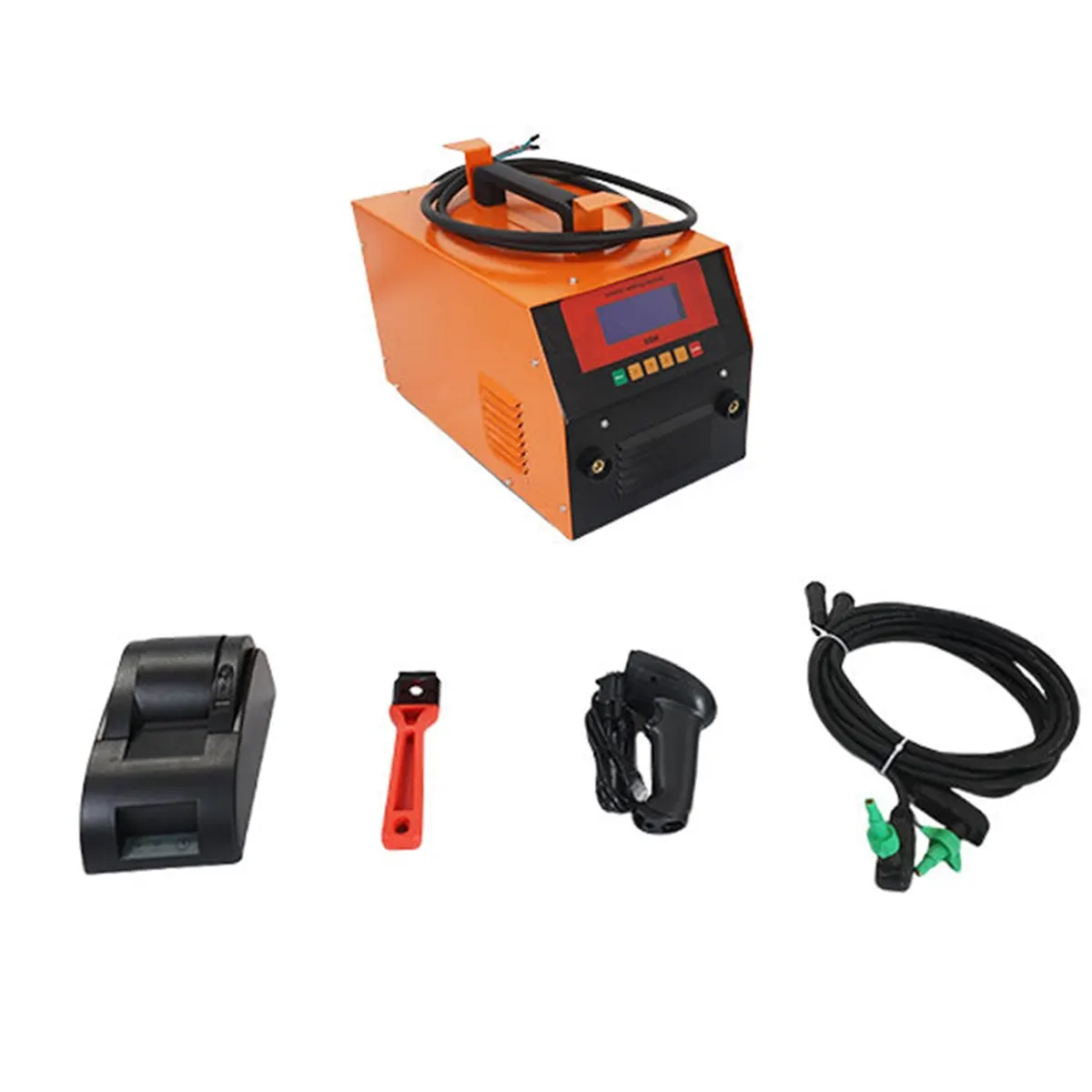
5. Request weld data logging features if projects need traceability or regulatory reporting.
6. Verify certifications (ISO, CE) and request sample weld test records.
Popular Models & Price Ranges (Indicative)
Prices vary by specification, accessories, and final shipping/import costs. Table below gives typical FOB or factory price bands (USD) and approximate NGN equivalents — please note NGN values are illustrative and subject to exchange rates, duties and logistics.
| Model (example) | Type | Price (USD) | Approx. NGN* |
|---|---|---|---|
| JQA160 / JQA200 | Small automatic | $6,000 – $12,000 | ≈ NGN 4.6M – 9.2M* |
| JQA250 / JQA315 | Medium automatic | $12,000 – $30,000 | ≈ NGN 9.2M – 23M* |
| JQA355 / JQA450 | Large automatic | $30,000 – $75,000 | ≈ NGN 23M – 57.5M* |
| Heavy hydraulic / custom large-diameter | Hydraulic / CNC | $75,000 – $200,000+ | ≈ NGN 57.5M – 153M+* |
*Approximate NGN shown for planning only. Final pricing depends on exchange rates, shipping, customs, local taxes and any optional accessories (trimmers, heaters, data loggers).
Tips to Save on Total Cost
– Buy machines with modular spare parts—reduces downtime in Nigeria where shipments can take time.
– Bundle accessories (trimmer, heater, clamps) with the main unit to avoid higher separate shipping costs.
– Ensure training for one or two lead welders to maximize first-pass weld acceptance and reduce rework.
– Ask suppliers for local distributor contacts or recommended logistics partners to streamline delivery and customs clearance.
Getting a Quote & After-Sales
For tailored recommendations, specifications, and exact pricing for Nigerian delivery, contact the manufacturer directly. JQ-Fusion provides a wide range of manual, hydraulic and CNC automatic butt fusion machines suitable for African projects, and can advise on model selection, spare parts and training: https://jq-fusionwelding.com/
Final Notes for Nigerian Buyers
Investing in the right automatic pipe welding machine improves project timelines, lowers lifecycle costs, and supports compliance with local construction standards. Prioritize machines with good documentation, data logging, and reliable service channels to get the best value in Nigeria’s fast-growing pipeline market.



