
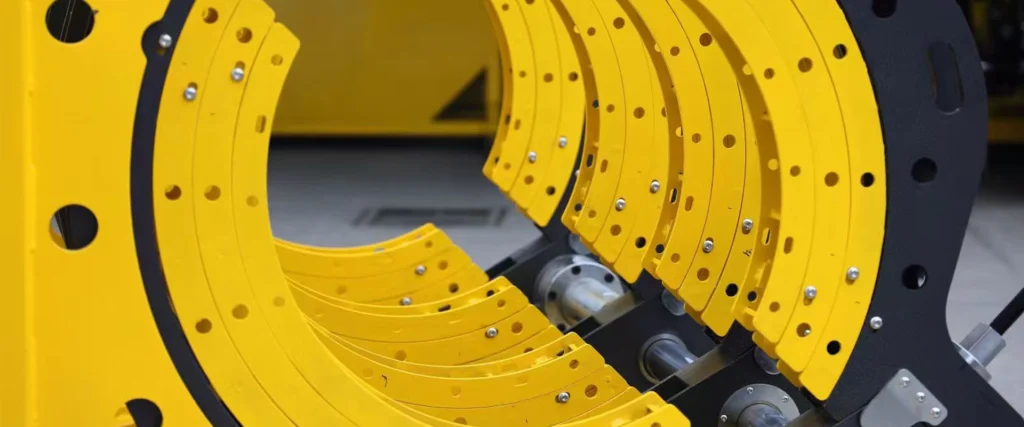
Plastic pipe connection construction techniques influence the durability, leak resistance, and long-term performance of pressure and non-pressure piping systems. This guide covers practical methods, optimization tips, and best practices for joining common thermoplastic pipes—especially HDPE and PE—so contractors, engineers, and site teams can achieve consistent, code-compliant results.
Overview: Common Plastic Pipe Connection Methods
Understanding the main joining techniques helps select the right approach for materials, site conditions, and service requirements. The three primary methods are:
Butt Fusion
Butt fusion is the preferred method for large-diameter HDPE pipelines. Two pipe ends are heated with a plate and pressed together to form a homogeneous joint. It provides excellent structural strength and is widely used for water, gas, and industrial pipelines.
Electrofusion
Electrofusion uses fittings with embedded heating coils to melt pipe surfaces and the fitting simultaneously. Ideal for repairs, branch connections, and situations where alignment control is more challenging.
Socket, Hot-Gas, and Mechanical Connections
Socket fusion and hot-gas welding are common for smaller diameters; mechanical couplers and flanges are used for temporary or mixed-material connections. Each method has unique inspection and qualification needs.
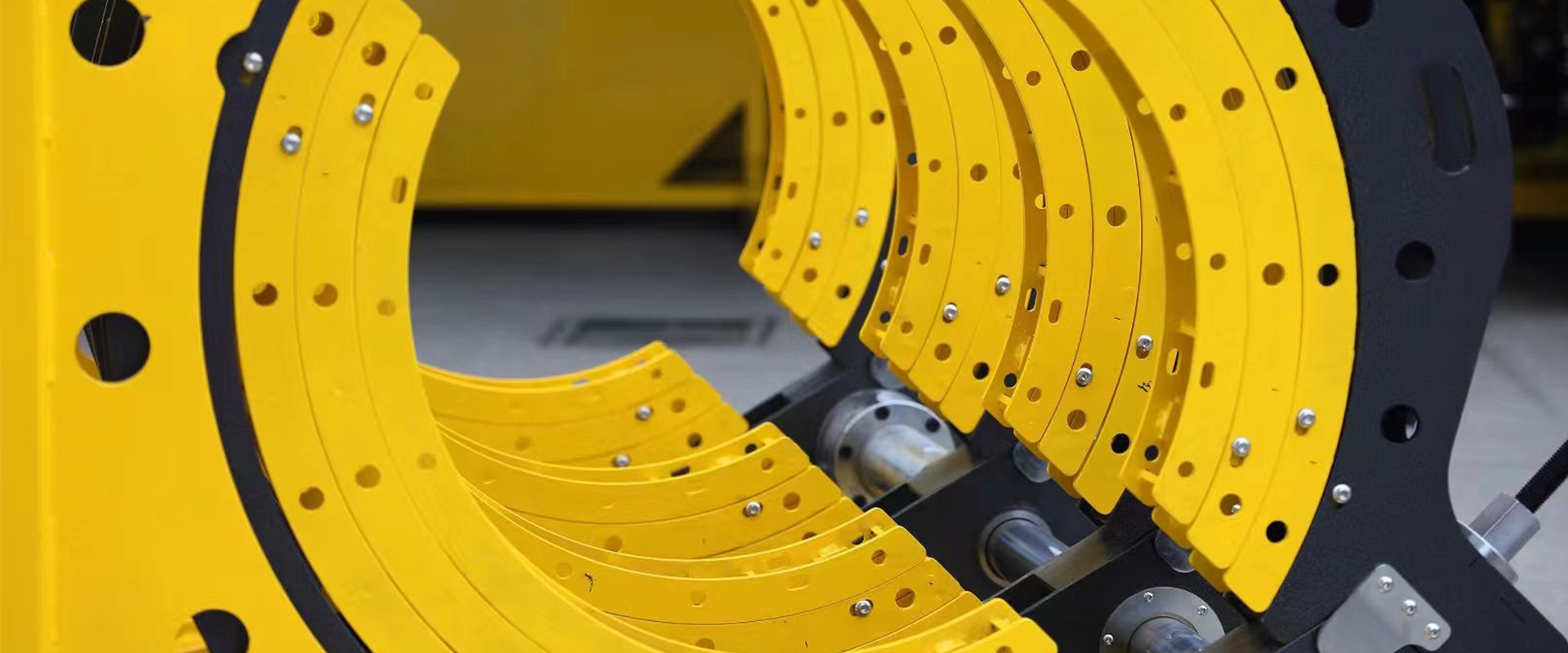
Site and Pipe Preparation: Foundation for Reliable Joints
Preparation prevents common failures. Before joining:
Material Inspection
Verify pipe grade, SDR, and manufacturer recommendations. Look for visible defects, contamination, or warpage. Confirm compatibility of fittings and pipe materials.
Surface Cleaning and Facing
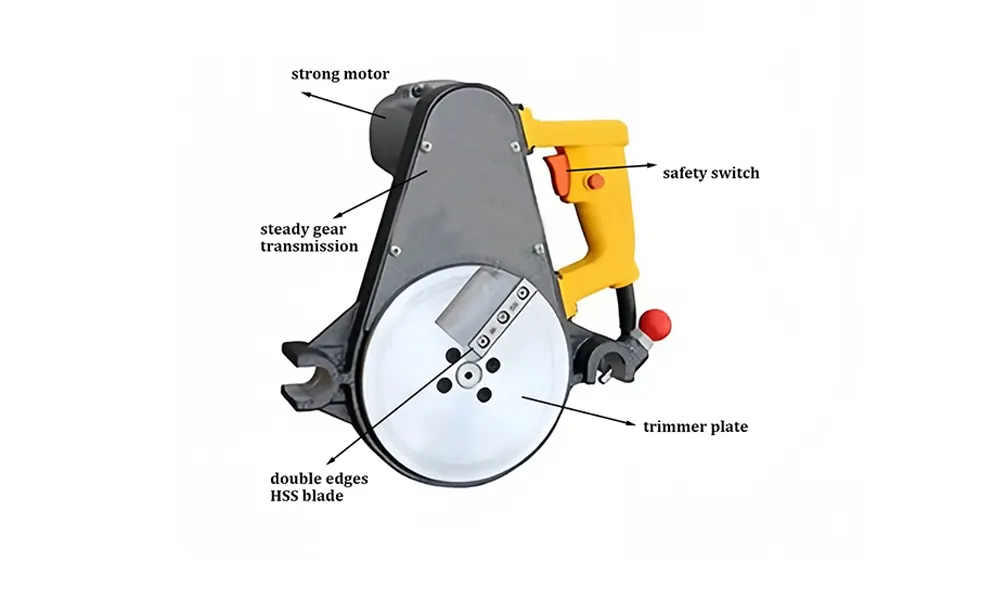
Remove dirt, grease, and oxidation. Use the correct facing tool to produce square, smooth ends. Improper facing is a leading cause of weak joints and should be avoided.
Environmental Controls
Protect joints from wind, rain, and direct sunlight during welding. Site shelters or screens keep heating surfaces stable and reduce contamination risk.
Optimization Tips for Fusion Welding
Small procedural changes deliver big improvements in strength and repeatability.
1. Correct Machine Setup
Ensure clamps, heating plate, and hydraulic systems are calibrated. Use digital controls where available for repeatable heating and pressure profiles.
2. Follow Parameter Range Tables
Use manufacturer-recommended temperatures, soak times, and pressures. Deviations can cause melt-through or cold joints.
| Pipe OD (mm) | Heating Plate Temp (°C) | Soak / Contact Time (s) | Fusion Pressure (kPa) |
|---|---|---|---|
| 20–63 | 200–220 | 30–90 | 300–500 |
| 75–160 | 200–220 | 60–180 | 400–800 |
| 180–630 | 200–220 | 120–300 | 600–1200 |
Best Practices During Welding
Execution matters as much as setup. Key practices include:
Alignment and Clamping
Maintain axial alignment and uniform clamp tension. Use spacers or supports for long runs to prevent sagging.
Controlled Heating and Cooling
Allow pipes to cool under controlled pressure—rushing cooling introduces residual stresses. Use recommended cooling times and avoid moving joints prematurely.
Record Keeping
Log machine settings, ambient conditions, operator, and joint IDs. Traceability supports QA audits and future troubleshooting.
Quality Control: Tests and Acceptance Criteria
Implement both in-process checks and post-join testing to verify joint integrity.
Visual and Dimensional Checks
Inspect bead formation, flash symmetry, and joint squareness. Measure bead height against standards.
Non-Destructive Testing
Use ultrasonic or radiographic techniques where applicable. Electrofusion joints often include data stickers and readouts to confirm cycle parameters.
Destructive Testing (Sampling)
Perform tensile or bend tests on sample joints per project specifications to validate procedures and operator competence.
Common Mistakes and How to Avoid Them
Awareness of typical errors reduces rework and downtime.
Insufficient Facing
Never skip or rush facing—poor faces create gaps that compromise fusion. Inspect facing tools and replace worn blades.
Ignoring Ambient Effects
High winds or cold temperatures change heat loss rates. Compensate by sheltering the joint area or adjusting process parameters per guidance.
Overuse of Mechanical Couplers
While convenient, mechanical couplings may not match the reliability of fusion for long-term buried systems—reserve them for approved use cases.
Project Planning, Training, and Safety
Good planning and competent teams deliver consistent outcomes.
Workforce Qualification
Provide hands-on training and certification for fusion operators. Regular refresher training reduces procedural drift and improves QA performance.
Safety and PPE
Heat plates, molten surfaces, and hydraulic systems present hazards. Use gloves, eye protection, and clear exclusion zones during operation.
Maintenance and Equipment Care
Routine maintenance prevents downtime and ensures accurate welding parameters.
Daily Checks
Clean heating plates, inspect hydraulic hoses, and verify digital sensors. Calibrate thermocouples periodically.
Spare Parts and Consumables
Keep replacement heating plates, facing blades, and hydraulic seals on site to avoid project delays.
When to Consult a Specialist
Complex projects, high-pressure gas lines, or large-diameter installations often require consultation with experienced manufacturers and service providers. For specialized HDPE welding equipment and global support, consider contacting JQ-Fusion for tailored solutions and technical guidance.
Quick Troubleshooting Checklist
Use this short checklist on site to resolve common issues quickly:
- Misaligned beads: Check clamp alignment, repeat facing, and re-clamp.
- Excessive flash: Reduce melt pressure or shorten soak time slightly within recommended limits.
- Cold joints: Increase heating time or confirm plate temperature calibration.
Key Takeaway
Consistent procedures, qualified operators, and routine equipment care are the pillars of successful plastic pipe connections. Applying standardized parameters, accurate documentation, and on-site QA dramatically reduces failures and lifecycle costs for HDPE and other thermoplastic piping systems.
Additional Resources
Refer to material manufacturer manuals and local code requirements for specific acceptance criteria and safety rules. For equipment specifications, parts, and service, check the manufacturer’s documentation or contact authorized suppliers.



