
Choosing the best HDPE pipe jointing machine in Senegal means balancing reliability, portability, and support for water supply, irrigation and gas distribution projects across Dakar, Kaolack and rural regions. This guide highlights top options, local considerations and a quick procurement checklist so contractors and municipal teams can select welding equipment that performs in hot, sandy and often remote job sites.
Why the Right HDPE Pipe Welding Machine Matters in Senegal
Durability, consistent fusion quality and low maintenance are critical when installing water and gas pipelines under Senegal’s variable weather and frequent power constraints. Machines that deliver repeatable butt fusion or electrofusion joints reduce leak risks and long-term operational costs.
Top Machine Types to Consider
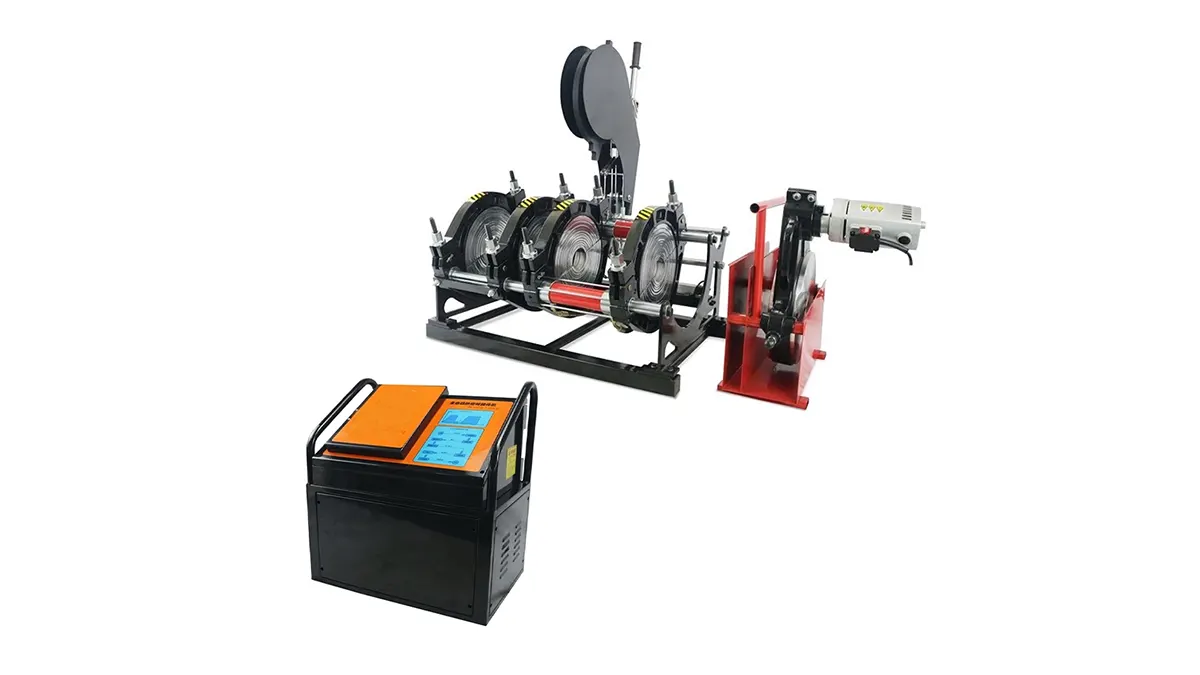
Manual/portable units – Best for small rural projects, repairs and sites with limited access. Easy to transport and operate by trained technicians.
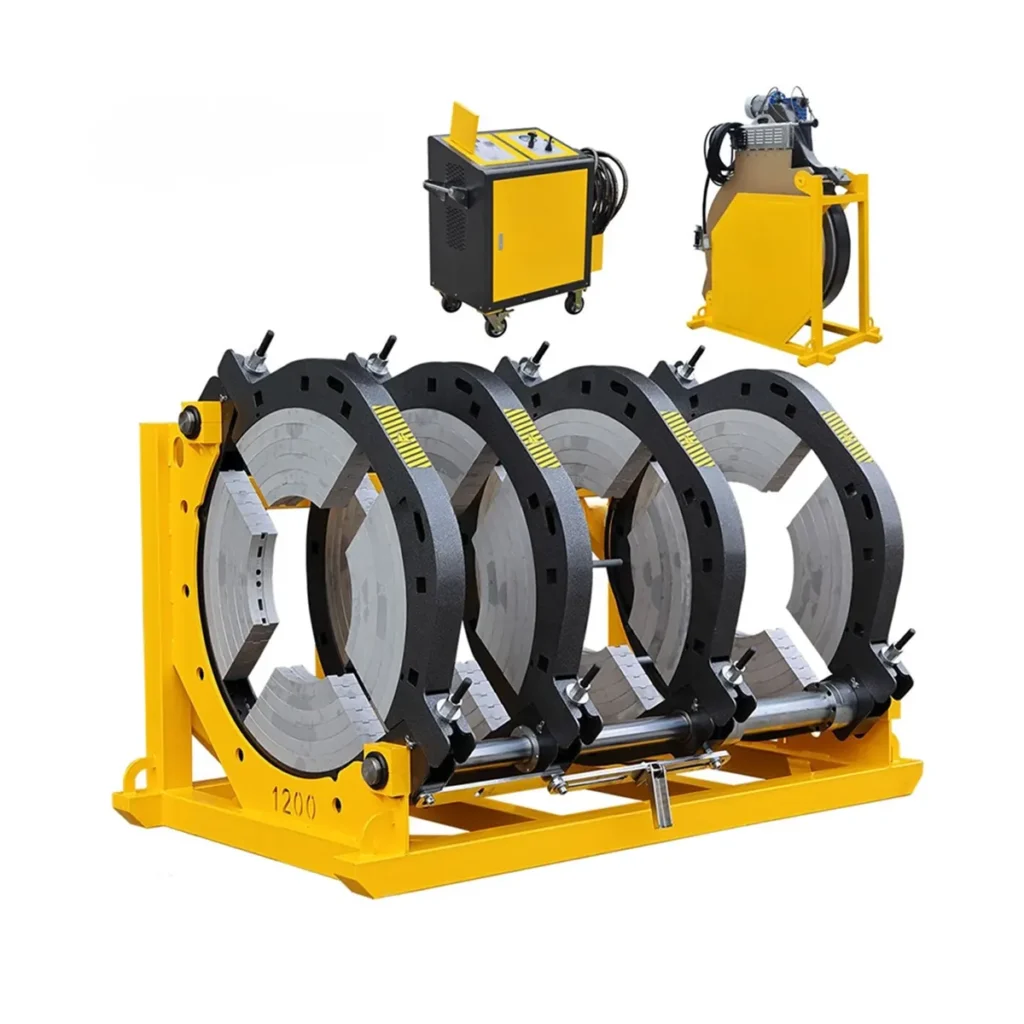
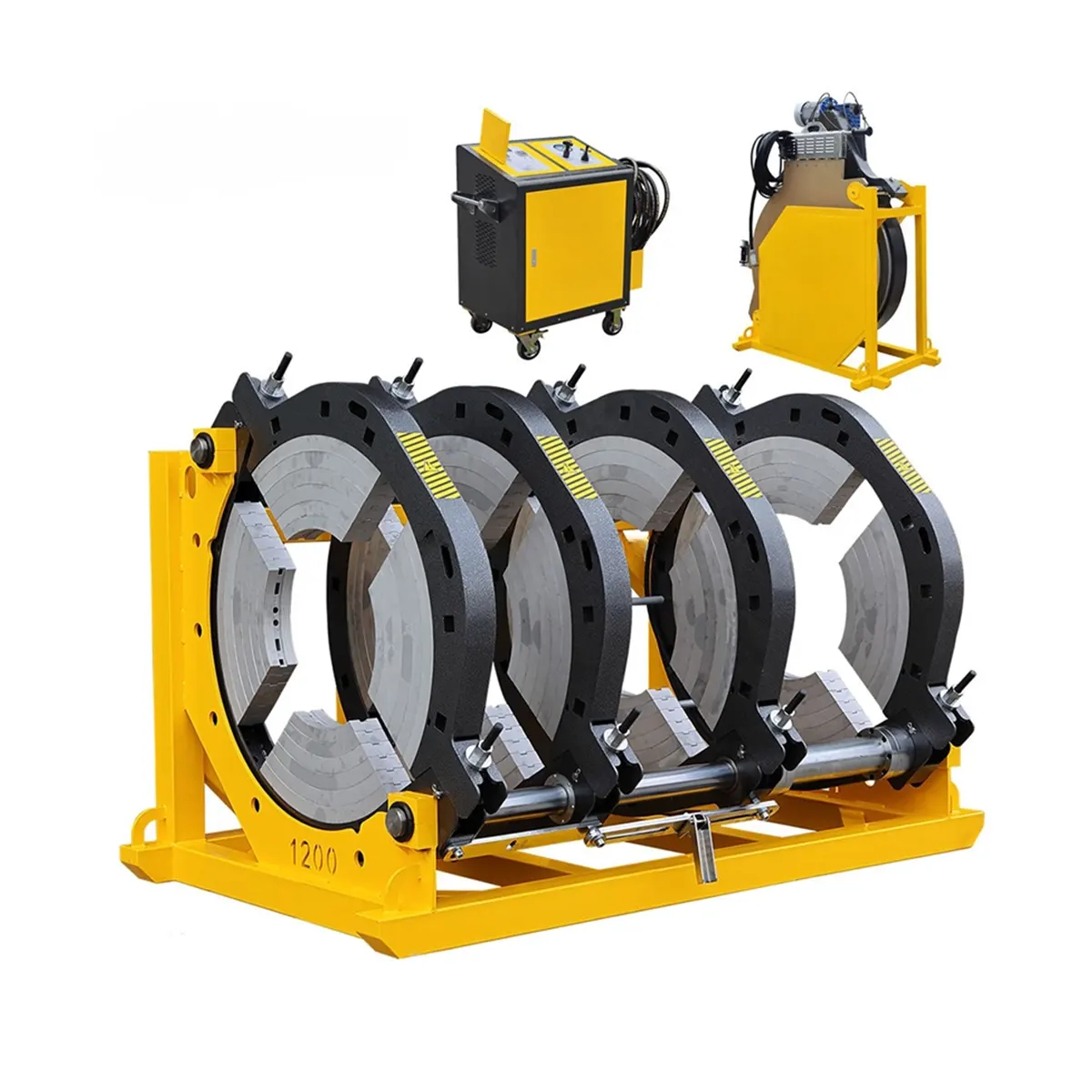
Hydraulic butt fusion machines – Offer strong, consistent welds for medium to large diameter pipes used in urban water mains and irrigation networks.
Automatic CNC butt fusion machines – Ideal for high-volume, precision work on longer runs where operator consistency and documentation matter.
Recommended Models (What fits Senegalese needs)
| Model | Type | Pipe Range | Best For |
|---|---|---|---|
| JQSY / Manual Range | Manual Butt Fusion | 20–315 mm | Rural repairs, low-volume installs |
| JQH Series | Hydraulic Butt Fusion | 160–1200+ mm | Municipal water mains, irrigation |
| JQA Series | Automatic/CNC Butt Fusion | 63–630 mm (models vary) | Large contractors, high-precision pipelines |
How Climate & Local Conditions Affect Choice
Senegal’s coastal humidity, inland heat and dust require machines with sealed electronics and robust frames. For sites outside Dakar, choose lighter units or modular systems that can be loaded on pickup trucks and easily moved between villages and fields.
Power reliability matters: hydraulic and automatic machines need stable power or a reliable generator. For remote teams, manual and low-power hydraulic units are often the most practical.
Practical Buying Tips for Senegal Buyers
Confirm spare parts availability and local service options—fast access to heating plates, heaters and clamps reduces downtime. Check warranty terms and whether training or operation manuals are supplied in English or French.
Ask for documentation that supports quality assurance (welding procedure records, calibration certificates) to meet municipal procurement and donor-funded project requirements.
Quick Procurement Checklist
• Verify pipe size range and matching clamp frames for your most common diameters.
• Ensure machine portability and weight suit transport by local vehicles.
• Confirm power requirements and compatibility with onsite generators.
• Request spare parts list, lead times and service partner contacts for Senegal or nearby West African hubs.
• Ask about operator training, user manuals and welding record software for automatic models.
Where to Source Reliable Machines
For international buyers seeking a trusted manufacturer with a broad product range and export experience, consider contacting the manufacturer JQ-Fusion for model options, customization and shipping to Dakar. They supply manual, hydraulic and CNC automatic butt fusion machines that serve water supply, gas distribution and mining projects.
Final note: Match the machine type to your project size and site realities in Senegal—portable manual units for village repairs, hydraulic machines for regional pipelines, and automatic systems for contractors running long, high-spec installs. The right choice reduces leaks, rework and lifecycle costs.



