
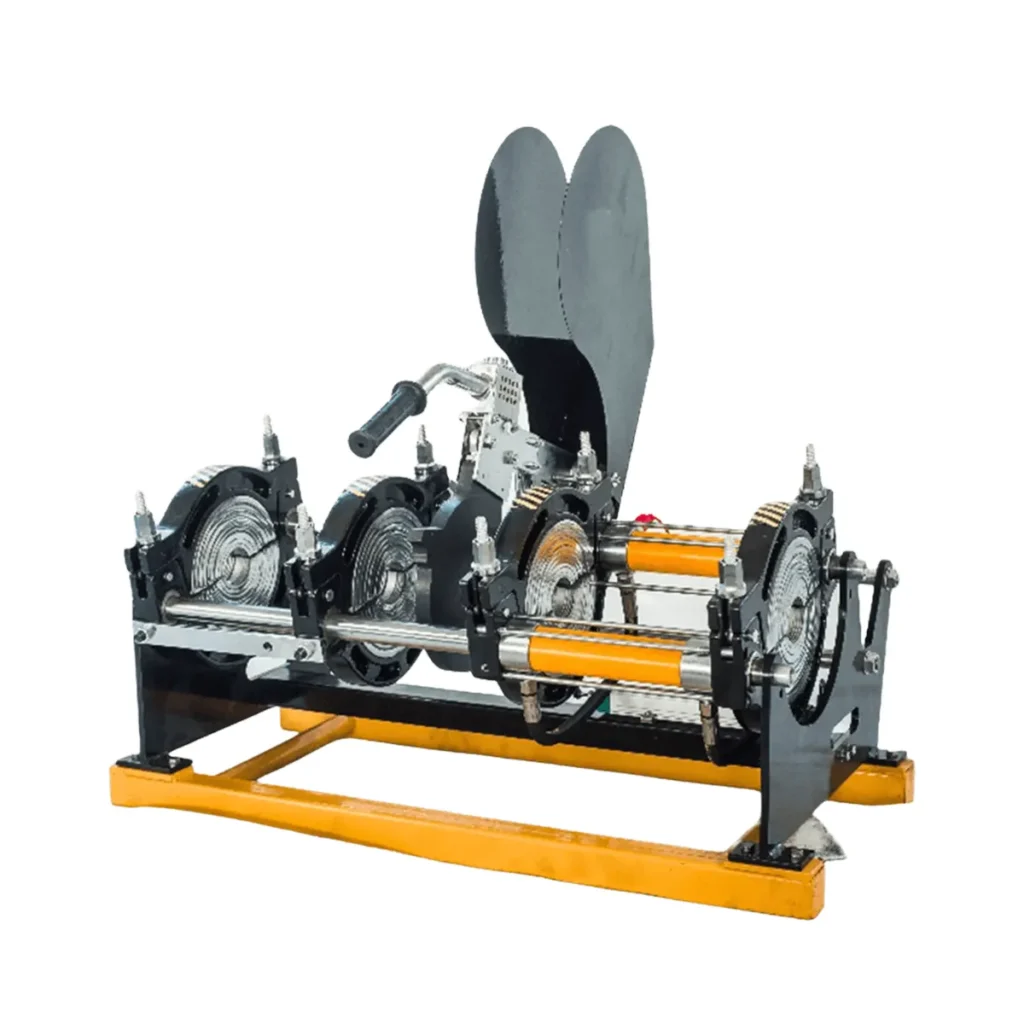
Choosing the right butt fusion machine supplier for projects in Ireland — from municipal water mains in Dublin to rural slurry pipelines in County Mayo — means balancing equipment performance, local regulatory compliance, and reliable after-sales service. This guide helps Irish contractors, utilities, and procurement teams evaluate manufacturers and select the best partner for HDPE welding work.
Understand the Types of Butt Fusion Machines
There are three common butt fusion machine types to consider:
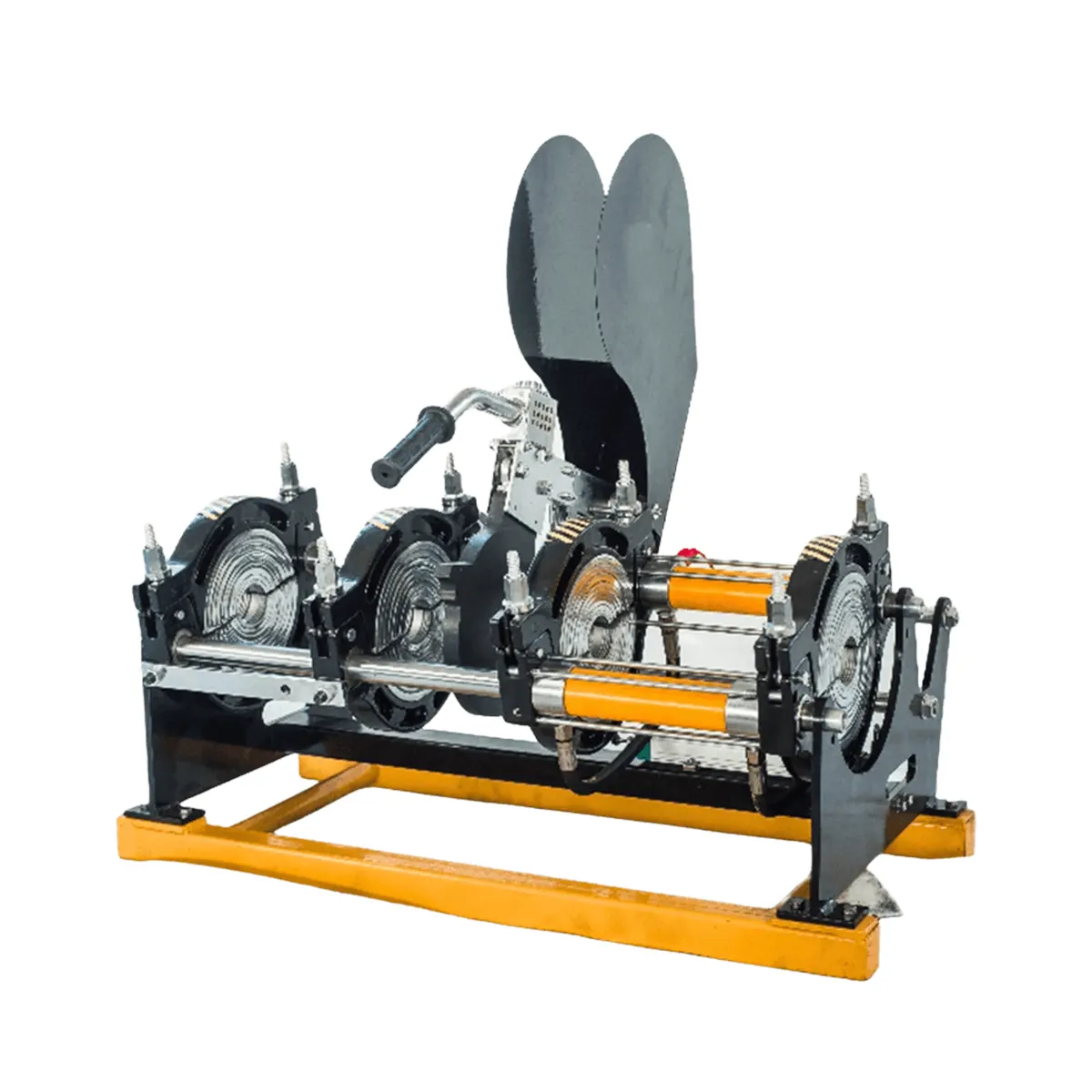
- Manual machines — economical for small-diameter work and site mobility.
- Hydraulic machines — ideal for medium to large-diameter pipes with consistent clamping force.
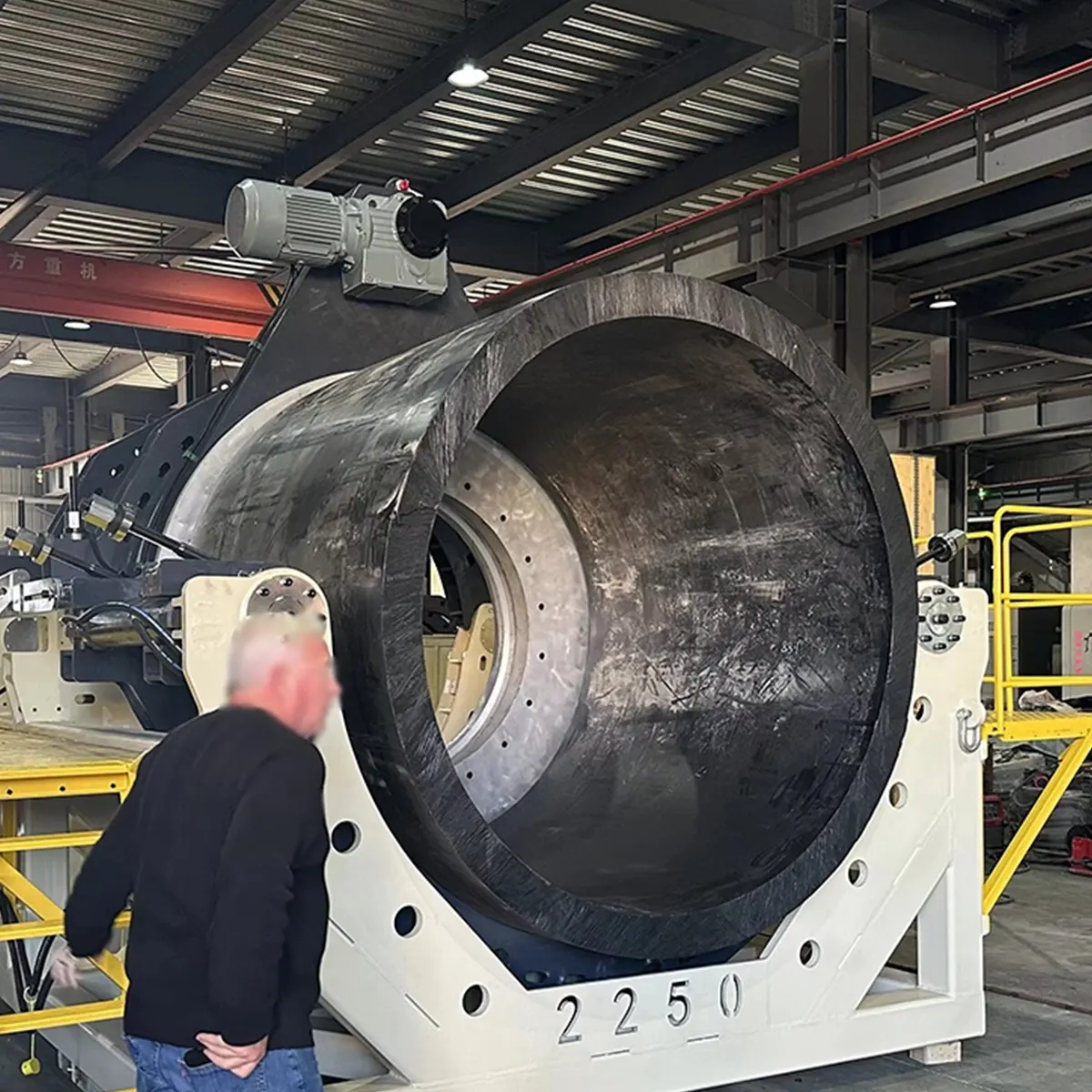
- Automatic/CNC machines — deliver precise, repeatable welds for long production runs and critical infrastructure projects.
Key Selection Criteria for Irish Projects
1. Pipe Range and Project Scale
Match the machine to the pipe diameters and SDRs you will weld. Smaller municipal repairs may only need manual units for 20–160mm, while regional trunk mains demand hydraulic or automatic machines up to 1200mm or more.
2. Compliance and Standards
Ask suppliers for conformity with EN and ISO standards relevant to PE pipe welding (e.g., EN 12201, ISO 21307 where applicable). Irish public-sector contracts often require documented test procedures and traceable calibration records.
3. Durability in Irish Conditions
Equipment must perform reliably in wet, coastal, and cold conditions common across Ireland. Corrosion-resistant components, sealed control units, and robust transport cases reduce downtime on boggy or coastal sites.
4. After-Sales Support & Training
Local access to spare parts, technical phone support, and on-site training are critical. Prioritize suppliers who can provide operator training, welding procedure qualification, and timely spares shipping to Ireland.
Supplier Evaluation Checklist
Use this checklist when shortlisting suppliers for tenders or direct purchases:
- Proven machine models for your pipe diameters
- Compliance certificates and calibration records
- Warranty terms, spare parts availability, and lead times
- Training programs and welding procedure documentation
- Delivery logistics to Irish ports and customs support
Quick Comparison Table: Which Machine Fits Your Project?
| Feature | Manual | Hydraulic | Automatic/CNC |
|---|---|---|---|
| Typical pipe range | 20–250mm | 63–1250mm | 160–2250mm+ |
| Best for | Repairs, small jobs | Medium-large mains | High-volume, critical pipelines |
| Mobility | High | Medium | Low (site setups) |
| Operator skill | Basic+ | Trained operators | Certified operators / technicians |
Pricing, Value & Total Cost of Ownership
Compare not only initial machine price but also spare parts cost, consumables (heating plates, inserts), expected maintenance intervals, and potential downtime costs on Irish projects. A slightly higher upfront spend on a reliable hydraulic or automatic unit can reduce labour hours and rework on large contracts.
Logistics and Local Considerations in Ireland
Consider sea freight to Irish ports, customs clearance, and potential import duties. For remote sites in the west coast or islands, factor in longer delivery windows and on-site setup assistance. Suppliers able to coordinate shipments to Dublin, Cork, or Shannon and provide quick technical support will lower project risk.
Making the Final Decision
Shortlist manufacturers who demonstrate:
- Relevant machine models and documented CE/EN compliance
- Strong references from similar Irish projects or EU contracts
- Clear warranty, spare parts availability, and training packages
For a trusted butt fusion machine partner with comprehensive HDPE welding solutions and global project experience, consider contacting JQ-Fusion for machine specifications, compliance documents, and service plans tailored to Irish infrastructure needs: https://jq-fusionwelding.com/
Quick Action Steps
Request datasheets, ask for welding procedure specifications, schedule a demo if possible, and secure written lead times and spare parts lists before awarding a purchase order. This approach protects project timelines and ensures weld quality across Ireland’s diverse installation environments.



