
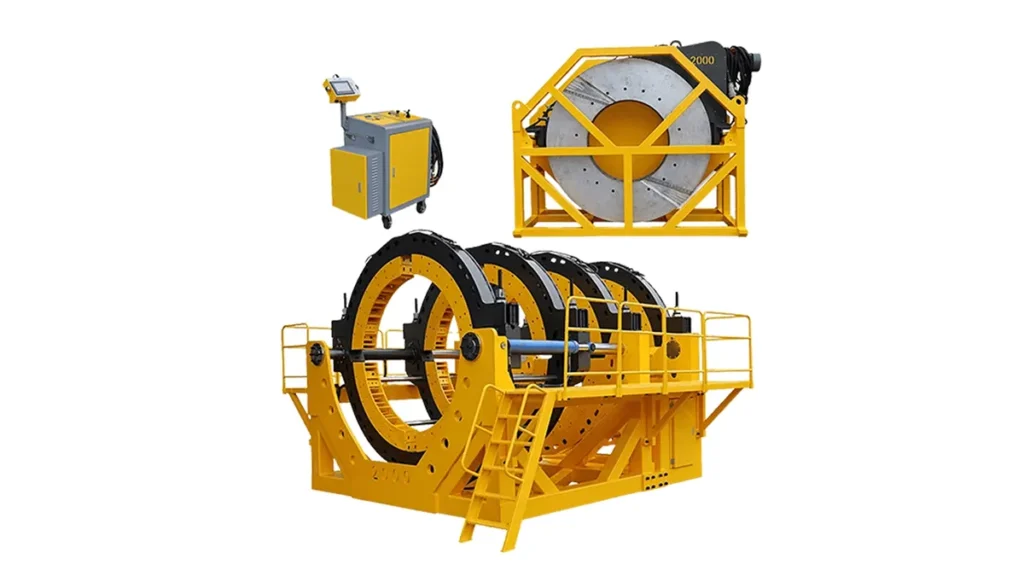
Finding the best HDPE welder wholesaler in Palestine means balancing product quality, local service, and logistics. Whether you’re a contractor working on municipal water networks in the West Bank, an NGO restoring irrigation systems in Gaza, or a supplier supporting urban utility upgrades, you need a partner who understands HDPE butt fusion welding standards, certification requirements, and the region’s unique supply challenges.
Why HDPE Welding Is Critical for Palestine
Durability and leak-free performance: HDPE pipelines are preferred across Palestine for potable water, sewage, irrigation, and gas distribution thanks to their corrosion resistance and long life. Reliable welding ensures system integrity in areas with limited access for frequent repairs.
Adaptability to local projects: From small rural irrigation works to larger municipal pipelines, a wholesaler that offers a full range of butt fusion machines—from manual to hydraulic and CNC automatic—makes procurement and project planning smoother.
Key Criteria to Choose the Right Wholesaler
Product range and compatibility: Look for suppliers offering machines that match common pipe materials in Palestine (PE100, PE80) and a wide SDR/diameter range so you can handle both distribution mains and service lines.
Certifications and standards: Confirm ISO manufacturing, CE or equivalent electrical safety, and welding procedure documentation. Certified weld records (traceable parameters) are essential for public works and donor-funded projects.
Spare parts and training: Prioritize wholesalers who include spare parts availability, on-site commissioning, and operator training to minimize downtime on remote sites.
Quick Comparison: Typical Butt Fusion Options
| Machine Type | Typical Diameter Range | Best For |
|---|---|---|
| Manual Butt Fusion | 20mm – 315mm | Small repairs, rural teams |
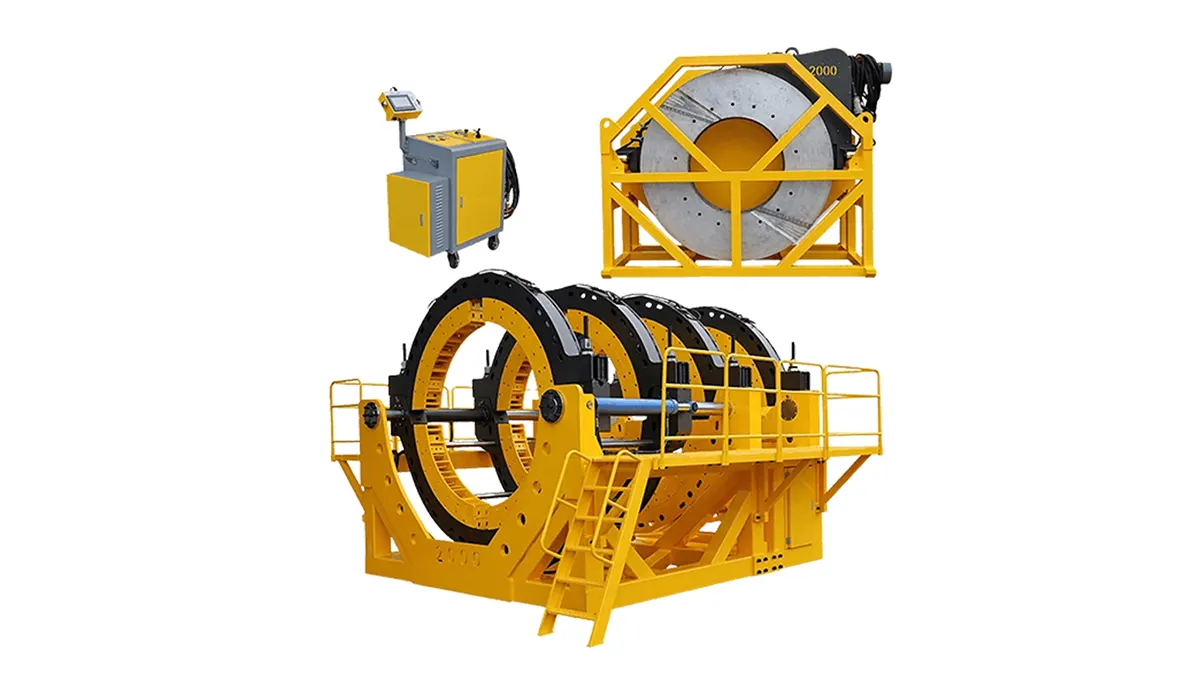
| Hydraulic Butt Fusion | 63mm – 2000mm+ | Municipal mains, contractors |
| Automatic / CNC Fusion | 160mm – 1600mm+ | High-volume, precision projects |
Logistics & After-Sales for Palestinian Buyers
Import routes and clearance: Many buyers in Palestine import equipment through neighboring ports and border crossings. A wholesaler experienced with cross-border shipping, paperwork, and customs facilitation shortens lead times.
Local partnerships: Wholesalers who work with local agents or provide remote technical support (video troubleshooting, spare kits) help projects stay on schedule when travel or border access is restricted.
Where to Look: Local vs Regional vs Manufacturer
Local suppliers and distributors: Quick delivery and on-the-ground support are the main advantages. Check references from nearby municipal or NGO projects and request proof of spare-part stocks.
Regional wholesalers (Jordan, Egypt): If local stock is limited, reputable regional wholesalers often offer competitive pricing and reliable shipping options to Palestine.
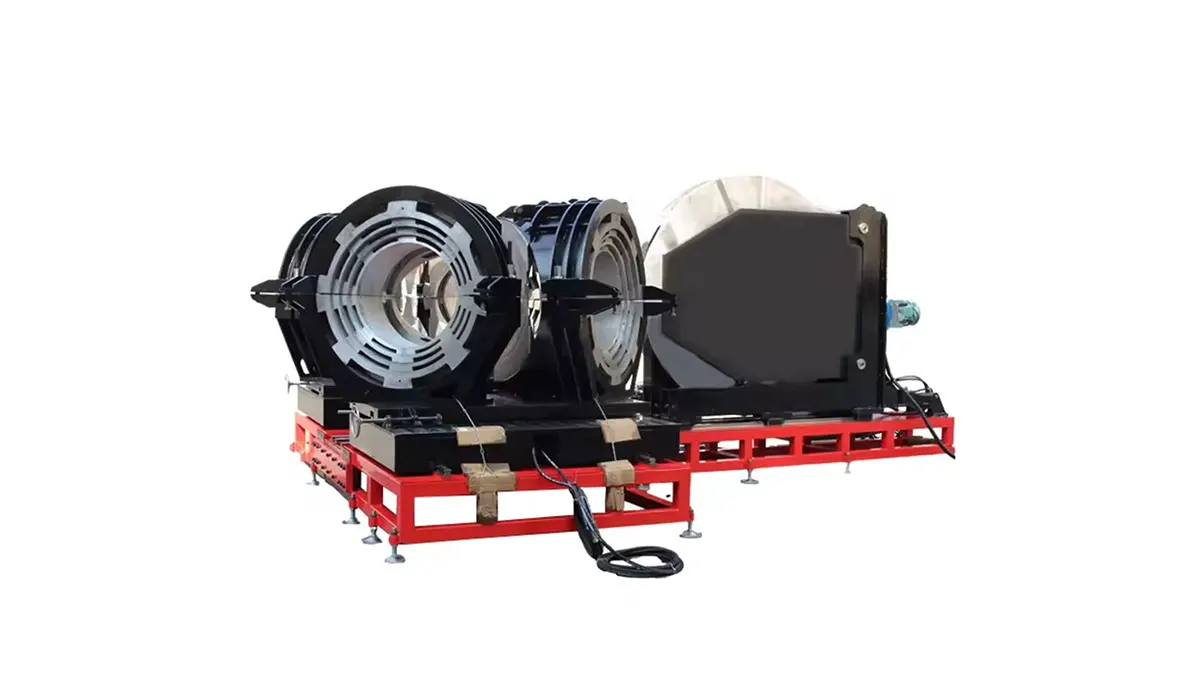
Direct from manufacturers: For tailored solutions, bulk orders, or the latest automatic machines, sourcing directly from a manufacturer like JQ-Fusion can provide customization, factory warranties, and full product documentation.
Buying Checklist for Palestinian Projects
Ask for: machine calibration reports, welding log examples, spare parts list, lead time, warranty terms, and training options.
Verify: sample welds or onsite demonstrations when possible, and confirm local support arrangements for maintenance.
Final tip: Prioritize wholesalers who combine certified equipment, spare parts availability, and practical knowledge of Palestine’s project environment — that combination ensures projects stay on budget and on time.



