
HDPE pipe welding solutions are critical to Mozambique’s fast-growing infrastructure needs — from expanding municipal water networks and rural irrigation to supporting mining corridors and offshore gas projects. Reliable butt fusion equipment delivers leak-free joints, long-lasting pipelines and faster installation times in challenging environments across Maputo, Beira, Nampula and remote district sites.
Why HDPE Butt Fusion Is Ideal for Mozambique
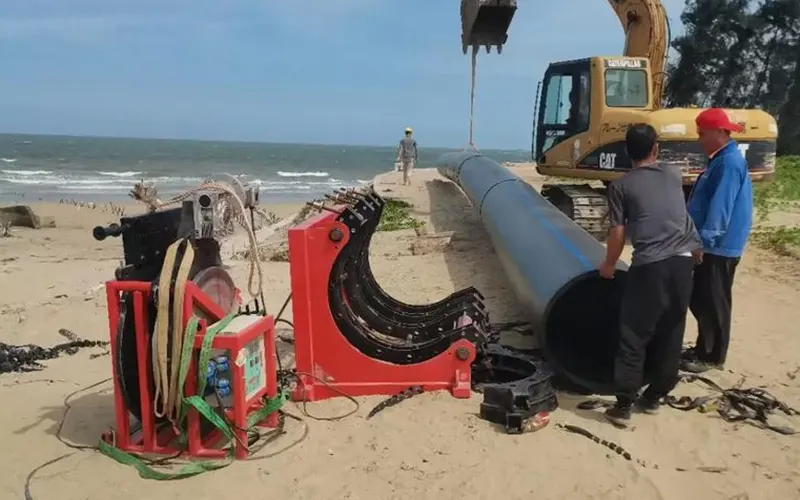
Durability and corrosion resistance make HDPE the preferred choice for coastal regions and tropical climates where metal pipes would corrode. Butt fusion creates a homogeneous, monolithic joint that performs well under thermal cycles and soil movement common in Mozambique’s varied terrain.
Key Benefits for Local Projects
Leak-free supply: critical for water supply projects where non-revenue water reduction is a priority. HDPE pipeline systems reduce maintenance costs and downtime. Fast, efficient fusion methods speed project schedules — an advantage for seasonal irrigation rollout and urgency-driven municipal upgrades.
Applications Across Sectors
Common uses include:
- Municipal water distribution and sanitation
- Irrigation networks for smallholder and commercial agriculture
- Mining slurry and water management lines in northern and central provinces
- Gas and industrial pipelines for coastal and port development
Choosing the Right Machine for Mozambique Conditions
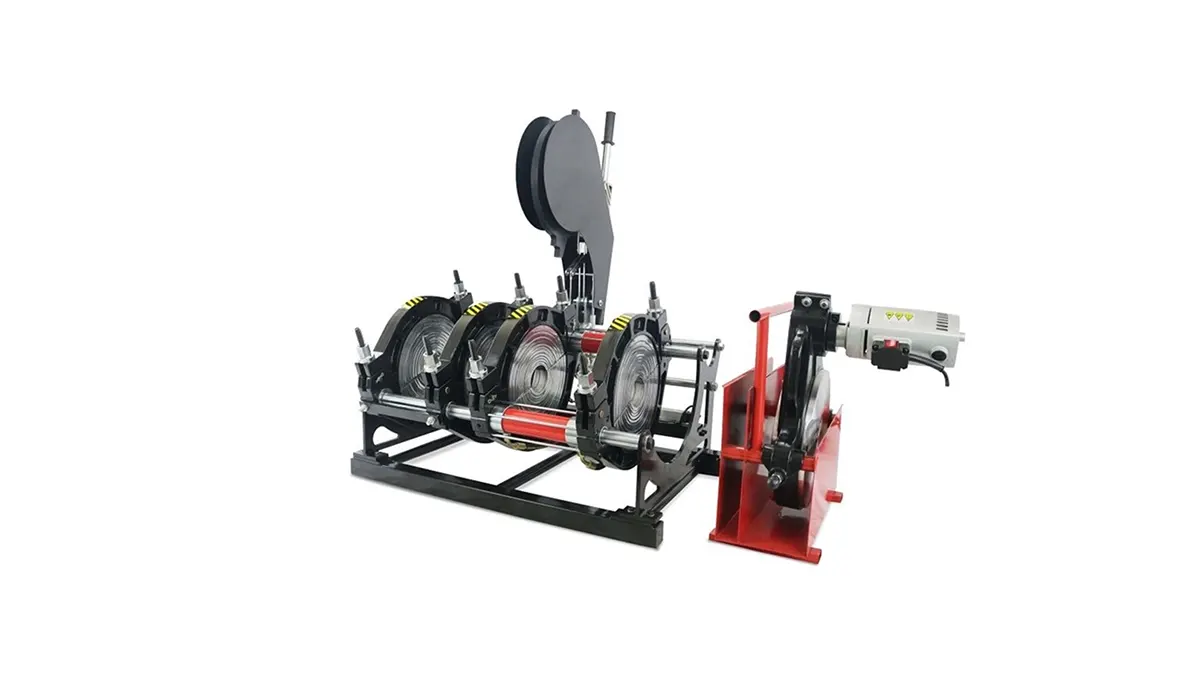
Selecting between manual, hydraulic and CNC automatic butt fusion machines depends on pipe diameter, project scale and site logistics. Manual units are portable for remote villages; hydraulic and automatic systems suit large-diameter mains and industrial deployments with higher throughput needs.
Technical Snapshot
| Machine Type | Pipe Range | Typical Projects |
|---|---|---|
| Manual Butt Fusion | 20–160 mm | Rural water, small irrigation networks |
| Hydraulic Butt Fusion | 160–1000 mm | Municipal mains, industrial pipelines |
| CNC Automatic Butt Fusion | 63–2000+ mm | Large-diameter trunk lines, mining & gas |
Site Considerations and Local Support
Transport and assembly: many projects in Mozambique require shipment to ports (Maputo, Beira, Nacala) and inland trucking. Choose machines with compact packaging for easier customs clearance and on-site assembly. For remote deployments, prioritize portable units and spare-part kits.
Training and language: operator training in Portuguese and local languages reduces errors and improves joint quality. On-site demonstrations and clear maintenance guides are essential to build capacity among local contractors and municipalities.
Quality Standards and Warranty
Compliance with ISO/EN welding standards, durable components, and clear calibration procedures ensure reliable fusion results under Mozambique’s environmental conditions. Look for suppliers offering responsive after-sales service, calibration tools and spare-part availability.
Cost Efficiency and Long-Term Value
Investing in the right fusion equipment reduces lifecycle costs through fewer leaks, reduced labor time and extended pipeline service life. For large-scale water or industrial projects, automated systems deliver consistent weld quality and higher throughput, improving ROI.
How to Get Started
Assess project scale and pipe diameters, confirm logistics to the nearest port or depot, and plan operator training in advance. For customized recommendations and equipment specifications tailored to Mozambique projects, visit JQ-Fusion for product details and support options.
Local contractors, NGOs and municipal planners can significantly benefit from choosing proven butt fusion solutions — reducing water losses, improving service reliability and supporting sustainable development across Mozambique.



