
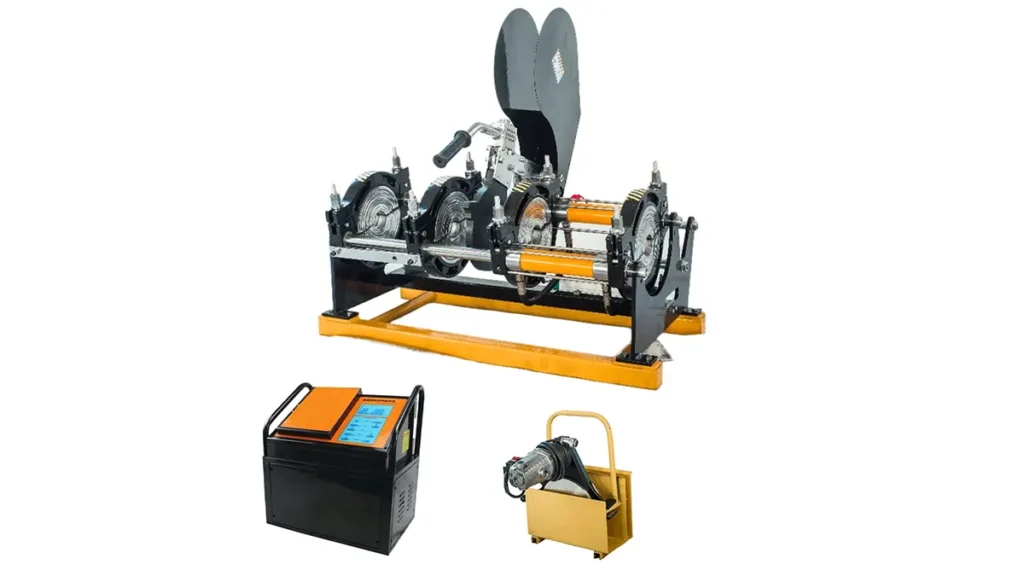
Vietnam’s rapid infrastructure growth — from municipal water networks in Ho Chi Minh City to rural irrigation projects in the Mekong Delta — is driving strong demand for reliable HDPE welding solutions for pipe and tank installation. Choosing the right HDPE welder and technique ensures leak-free systems that resist corrosion, ground movement, and the tropical climate.
Why HDPE Welding Matters in Vietnam
HDPE (high-density polyethylene) is the preferred material for potable water, gas distribution, sewerage, and aquaculture piping in Vietnam because of its flexibility and longevity. Proper fusion welding creates a homogeneous joint with the same chemical and mechanical properties as the pipe, offering excellent performance in coastal, humid, and monsoon-prone regions. Local contractors benefit from consistent fusion quality that minimizes costly repairs and service interruptions.
Best Welding Methods for Pipes and Tanks
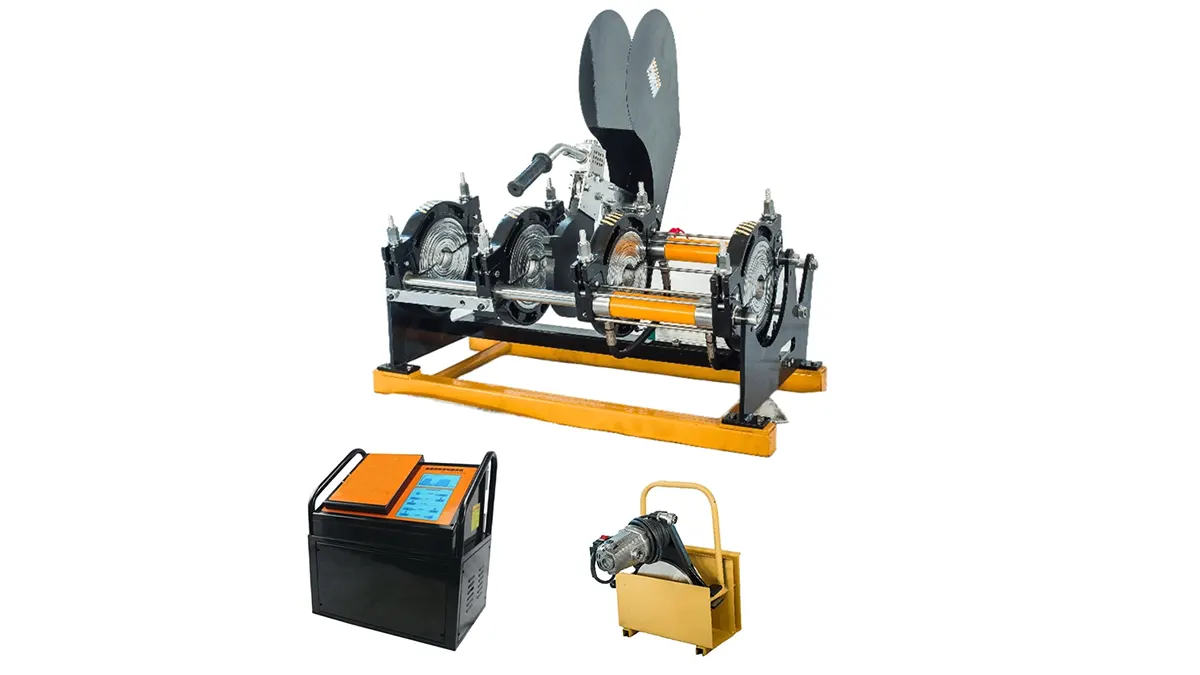
Butt fusion: Ideal for large-diameter pipelines and tank-to-pipe connections. It melts pipe ends and joins them under pressure to form a continuous, durable bond — best for buried water mains and large storage tanks.
Electrofusion: Great for fittings, repairs, and smaller-diameter work. Electrofusion offers controlled heating via fittings with embedded coils, useful in tight urban sites and repair scenarios.
Socket and hot-gas welding: Used for small-diameter pipes and tank fittings. Fast and portable, suitable for on-site work for irrigation systems and small-scale aquaculture tanks.
Selecting the Right HDPE Welder: What Vietnamese Contractors Need
Selecting equipment depends on project scale, pipe diameter, field mobility, and operator skills. Consider these commonly chosen machine categories:
| Machine Type | Pipe Diameter Range | Ideal Applications |
|---|---|---|
| Manual Butt Fusion | 20mm – 400mm | Rural water lines, small contractor fleets |
| Hydraulic Butt Fusion | 160mm – 2000mm+ | Large municipal and industrial pipelines |
| Automatic/CNC Butt Fusion | 63mm – 1200mm | High-volume projects; repeatable, documented welds |
| Electrofusion Units | 20mm – 630mm | Repairs, fittings, and service connections in urban areas |
Field Installation Tips for Tropical Conditions
Site preparation: Protect heating plates and fusion faces from wind-driven dust, rain, and humidity. Use temporary shelters or tarpaulins during monsoon season to maintain consistent fusion temperatures.
Material handling: Store HDPE rolls and fittings off wet ground and away from direct UV for prolonged periods. Extended sun exposure can affect dimensions — check SDR and wall thickness before welding.
Quality control: Maintain a weld log with temperatures, pressure, heating/soak times, and operator name. For buried mains, perform visual inspection and destructive testing samples when possible to verify fusion integrity.
Safety & local regulations: Follow Vietnamese construction codes for potable water and gas pipelines. Provide PPE, ensure operators are trained in rescue and heat-device handling, and keep fire safety measures on site.
Training, Support & Spare Parts
Reliable supplier support reduces downtime. Look for vendors that offer on-site training in Vietnamese, easy access to spare parts, and calibration services for heating plates and hydraulic systems. A clear maintenance schedule extends machine life and ensures consistent weld quality across seasons.
About JQ-Fusion
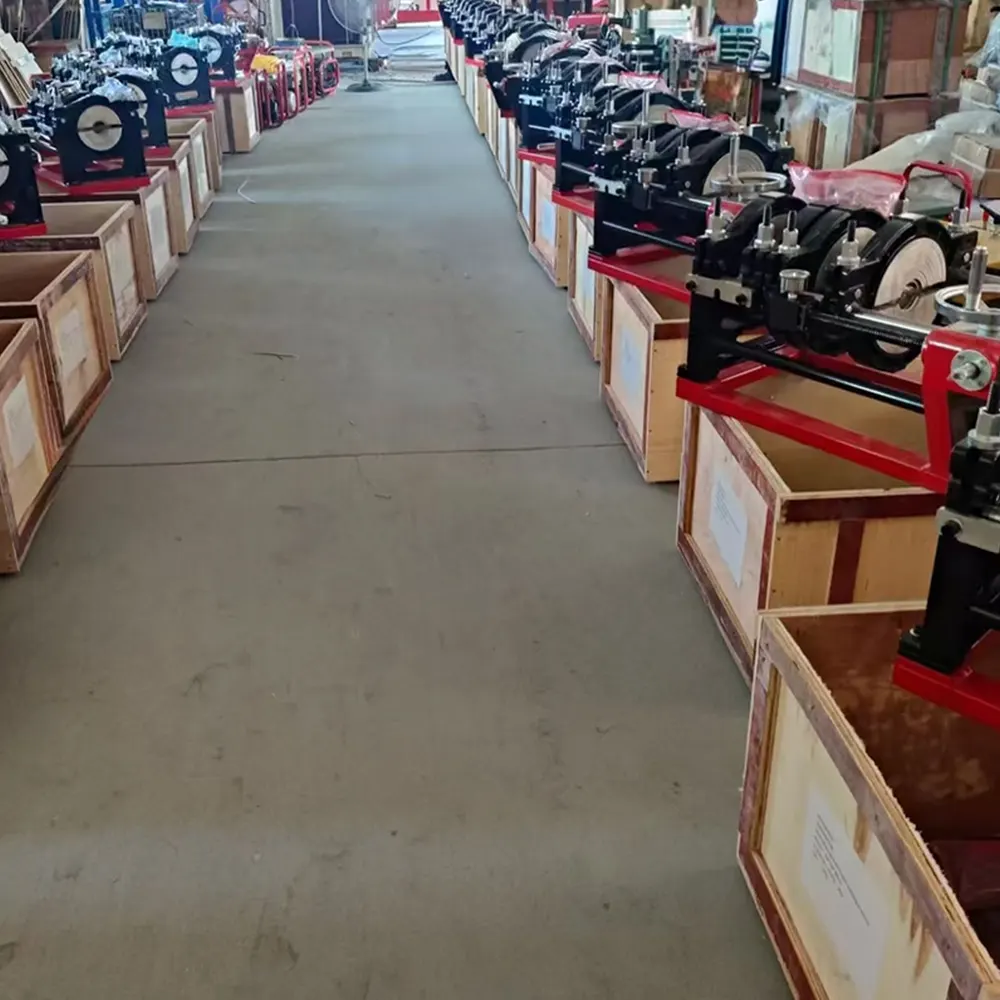
JQ-Fusion is a professional manufacturer specializing in HDPE pipe welding machines, providing reliable butt fusion solutions for global infrastructure projects. With a range that includes manual, hydraulic, and CNC automatic machines, the company supports applications from small-diameter municipal lines to large industrial and mining pipelines.
Choosing the Right Partner for Your Vietnam Projects
For contractors and engineers in Vietnam, the best results come from combining the right machine, documented welding procedures, and local field training. Investing in quality HDPE welding equipment reduces long-term maintenance costs, improves public service reliability, and speeds project delivery — essential in a rapidly developing market.



