
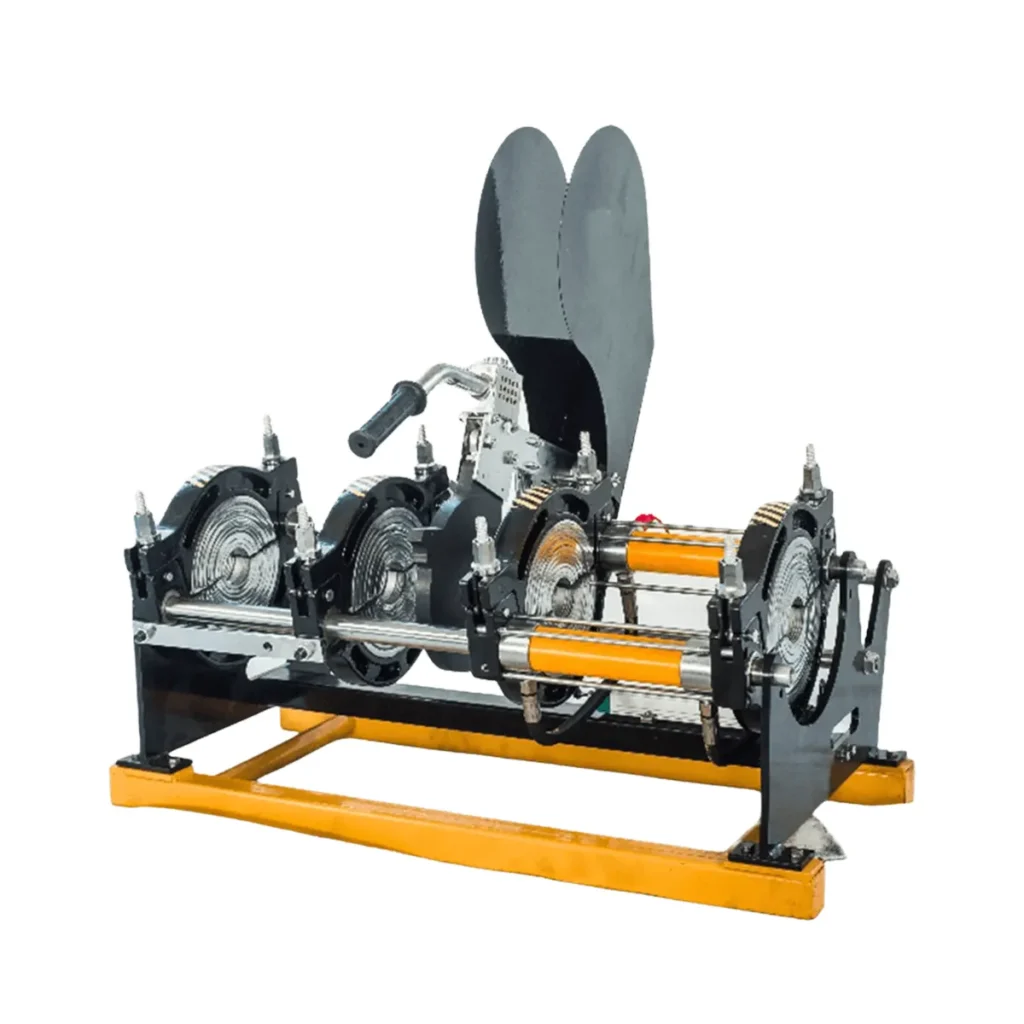
Yemen’s growing need for reliable water, gas and industrial pipelines has increased demand for robust HDPE pipe jointing solutions. Contractors, municipal authorities and energy companies require equipment that performs well in hot, dusty environments and remote job sites—machines that deliver leak-free, long-lasting joints every time.
Why HDPE Butt Fusion Is Ideal for Yemen
HDPE piping is resistant to corrosion, chemical attack and abrasion—advantages that matter in Yemen’s coastal salt air, inland deserts and rugged highlands. Butt fusion and electrofusion jointing create homogenous, pressure-rated connections that minimize maintenance and reduce the risk of contamination in potable water networks and fuel/gas distribution systems.
Key Benefits for Local Projects
- Durability: HDPE joints withstand thermal expansion and ground movement common after seasonal rains.
- Low lifecycle cost: Reduced need for repair in remote or hard-to-reach areas.
- Fast installation: Faster fusion cycles mean reduced on-site labor and downtime.
- Safe for drinking water: Non-toxic materials preserve water quality in municipal distribution systems.
Types of HDPE Pipe Jointing Machines
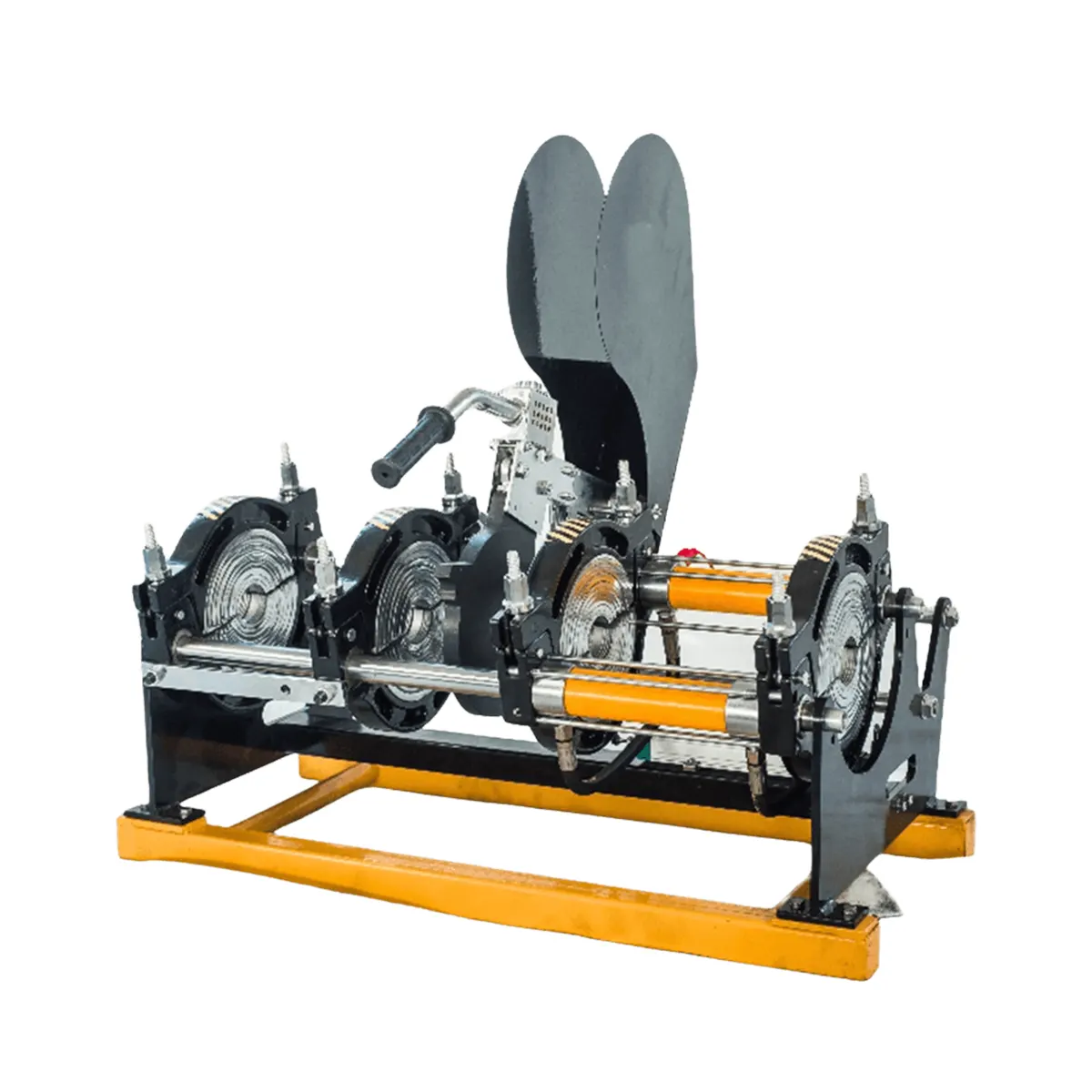
Manual Butt Fusion
Manual units are compact and ideal for small-diameter pipes, rural repairs and sites with limited power. They offer straightforward operation and are widely used for domestic waterworks and small distribution lines.
Hydraulic Butt Fusion
Hydraulic machines provide higher clamping force and precise alignment for medium to large diameter pipes. They are suited to municipal projects and utility contractors tackling long-run mainlines across varied terrain.
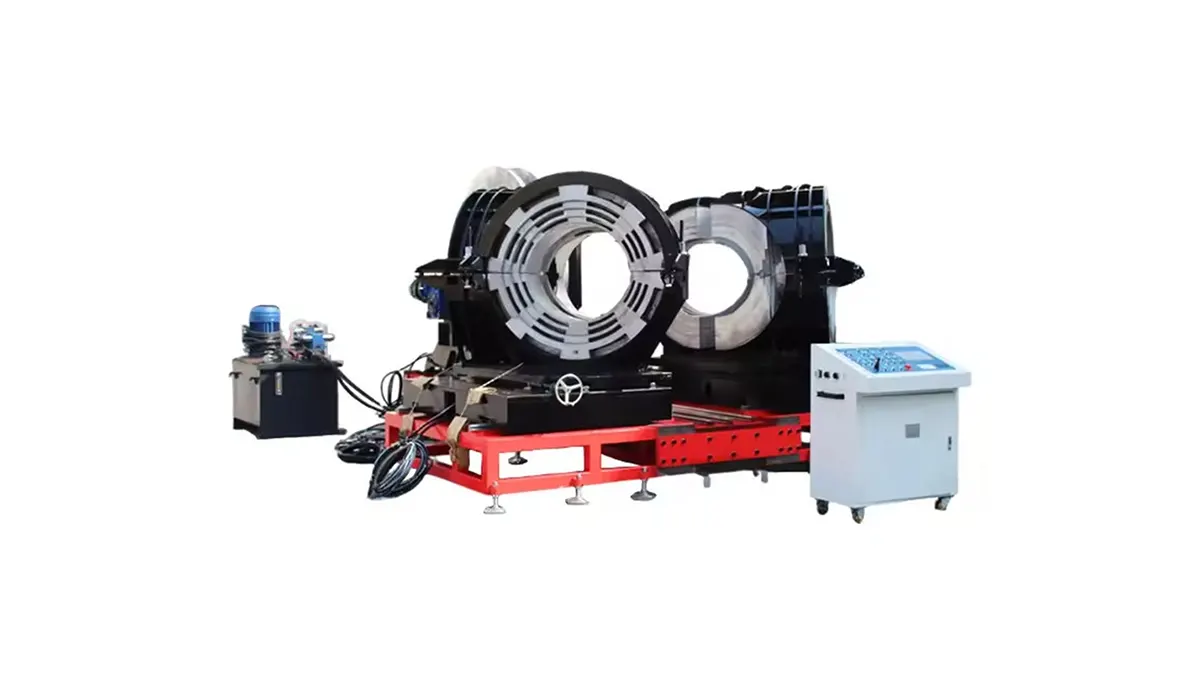
CNC Automatic Butt Fusion
Automatic and CNC-controlled machines deliver repeatable heating and fusion cycles with digital controls, ideal for large-scale pipeline contractors and oil & gas projects that require certified weld records and consistent joint quality.
Quick Comparison Table
| Machine Type | Best Use | Typical Pipe Range |
|---|---|---|
| Manual Butt Fusion | Small repairs, rural installations | 16mm – 630mm |
| Hydraulic Butt Fusion | Municipal mains & medium pipelines | 110mm – 2000mm+ |
| Automatic / CNC Fusion | Large projects, oil & gas, certified weld records | 63mm – 2000mm+ |
Choosing the Right Machine for Yemen
Select equipment based on project scale, workforce skill level and site logistics. For coastal or remote desert sites, prioritize robust frames, sealed electronics and machines with simple diagnostics. For large utilities and oil & gas contractors, consider automated units that record fusion parameters for quality assurance.
Local Considerations
- Climate resilience: machines with corrosion-resistant components and dust seals perform better in coastal or sandy environments.
- Power availability: battery or generator-compatible machines help where grid reliability is limited.
- Training & support: accessible operation manuals, training programs and spare parts reduce downtime for field crews.
Operation, Training and Maintenance
Ensure operators follow standard fusion procedures: correct facing, temperature control, alignment and joint cooling. Regular calibration of heating plates and hydraulic systems extends service life. On-site training tailored to Yemen’s working conditions improves safety and weld quality for local teams and contractors.
Certifications & Quality
Look for machines that support industry standards and weld-data logging for traceability. Certified fusion procedures and documented training are essential for public utilities and private developers investing in long-term infrastructure.
Supplier Snapshot
JQ-Fusion offers a full range of manual, hydraulic and CNC automatic HDPE butt fusion machines designed for varied project needs worldwide — from small rural repairs to large-diameter pipeline programs.



