
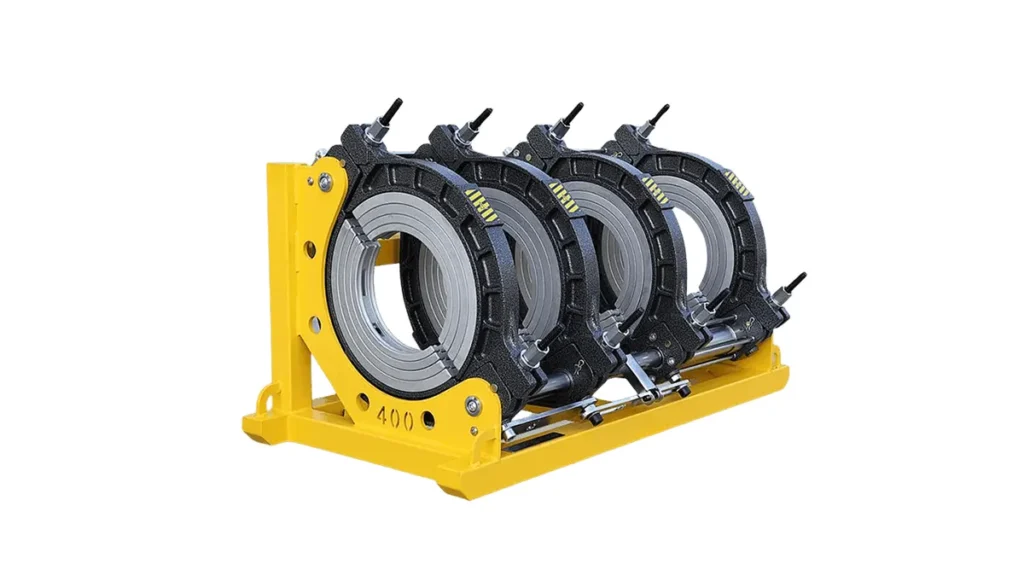
Choosing the right electric fusion pipe welding equipment can make the difference between reliable pipeline performance and costly rework. This guide breaks down the most important factors—machine types, technical specs, on-site considerations, and maintenance tips—so contractors, engineers, and procurement teams can select the best solution for HDPE and PE pipe fusion projects.
Understand the Main Machine Types
Electric fusion covers several fusion methods. The three most common categories you’ll encounter are:
Electrofusion Machines
Electrofusion uses fittings with embedded heating elements. It’s ideal for repair work, complex junctions, and where precision joints are required. These units are compact, operator-friendly, and especially popular for gas and service connections.
Butt Fusion Machines (Electric / Hydraulic Powered Controls)
Butt fusion machines align, face, heat, and join pipe ends. Electric control systems (timer/controllers) increase repeatability and traceability. Available in manual, hydraulic-assisted, and CNC/automatic configurations, they cover a broad diameter range from small service pipes to large-diameter mains.
Multi-Angle & Fitting Welding Machines
Designed for prefabrication of fittings and branch connections. These machines combine heating plates and rotating fixtures to produce consistent, leak-free assemblies for complex piping systems.
Key Specifications to Compare
When comparing models, focus on specs that affect productivity, quality, and total cost of ownership:
Control & Traceability
Look for digital controllers with data logging, adjustable heating profiles, and clear status displays. Traceable weld reports help meet project QA/QC standards.
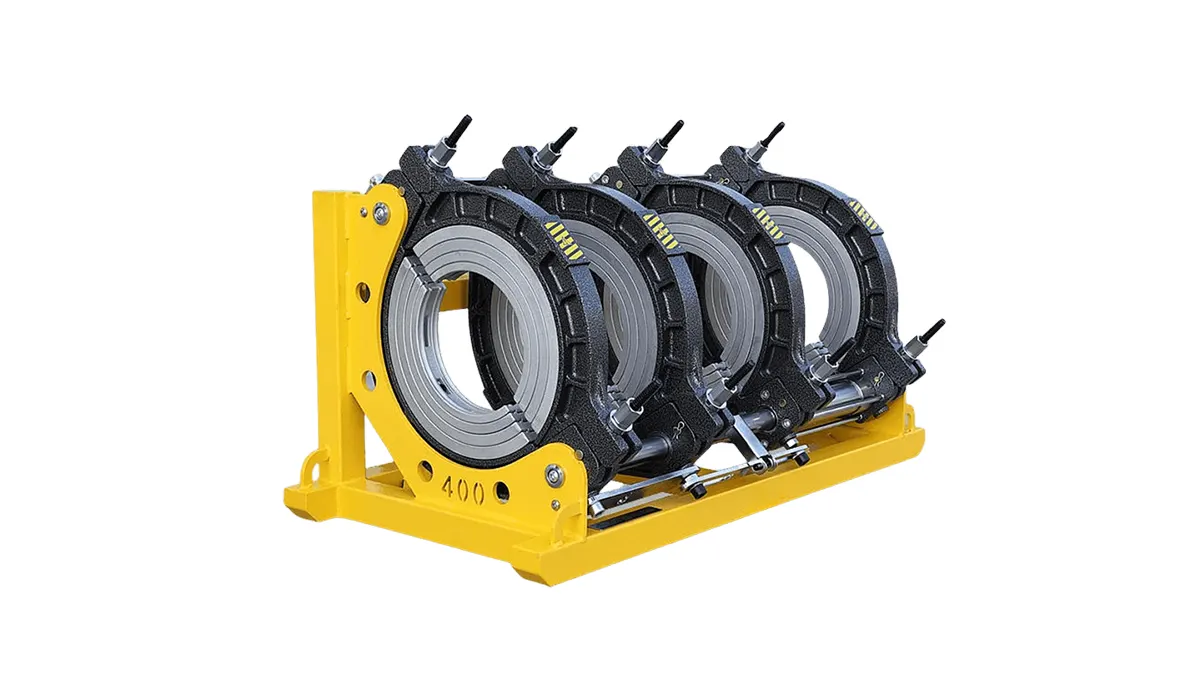
Clamping & Alignment
Robust clamp systems and precise alignment mechanisms reduce rework risk. Aluminum or stainless clamp frames provide durability while keeping machine weight manageable.
| Type | Best for | Diameter Range | Power / Control |
|---|---|---|---|
| Electrofusion | Service connections, repairs | 20–630mm | Portable electric controller |
| Manual Butt Fusion | Small crews, remote sites | 20–630mm+ | Mechanical, simple electric plates |
| Hydraulic / Automatic | Large projects, high throughput | 315–2250mm+ | Electric/hydraulic controllers with logging |
Site & Project Considerations
Match machine capability to the job environment:
Project Scale
Small municipal or service jobs typically use electrofusion or manual butt fusion units. Large distribution networks and industrial projects often require hydraulic, automated systems for speed and consistency.
Accessibility & Power
For remote or trench-limited sites, choose portable units with low power draw or models with onboard generators. For factory prefabrication, fixed electric-controlled machines provide repeatable quality.
Quality, Safety & Certification
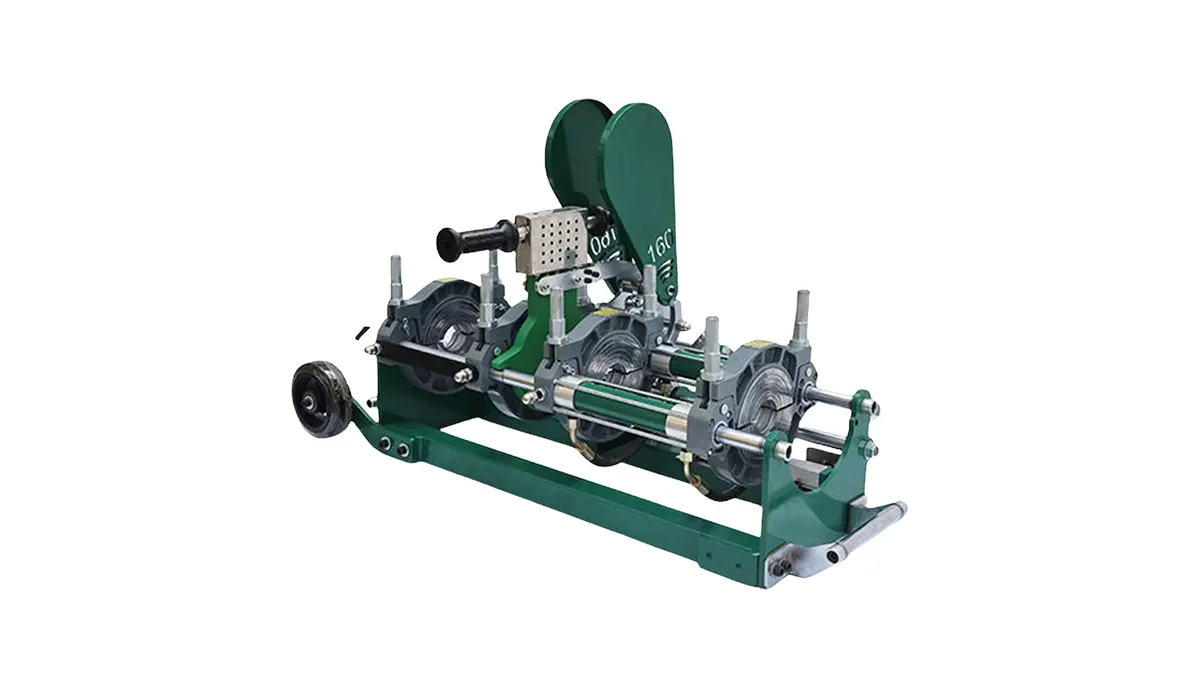
Prioritize machines that support certified procedures (e.g., ISO, ASTM where applicable), have clear operator instructions, and include safety features like pressure relief, thermal cutoffs, and lockable controls. Consistent heater plate performance and reliable sensors are critical for joint integrity.
Maintenance & Spare Parts
Choose brands with accessible service networks and available spare parts. Regularly maintain the heating plate surface, clamping bolts, and hydraulic fluids (if applicable). Preventative maintenance extends machine life and preserves weld quality.
Cost vs. Value: Choosing the Best Fit
Initial price matters, but consider these total-cost factors:
- Throughput and cycle time — faster machines save labor costs on big projects.
- Data logging and QA features — reduce project risk and warranty exposure.
- Durability and resale value — robust frames and modular parts pay off.
Quick Buying Checklist
Use this checklist when evaluating suppliers and models:
- Does the machine cover the pipe diameters and SDRs you use?
- Are controller and data-logging functions sufficient for your QA needs?
- Is spare-part support and training available?
- Does the vendor provide clear welding procedures and certifications?
Where to Start
If you need a reliable manufacturer with a wide range of electric fusion and butt fusion machines, consider contacting JQ-Fusion for model options, technical support, and project-matching recommendations: https://jq-fusionwelding.com/.
Final Notes
Selecting the right electric fusion pipe welding equipment is about aligning machine capability with project demands, safety, and long-term cost. Invest in traceable controls, quality clamping systems, and a partner who offers parts and training to maximize uptime and welding quality.



