
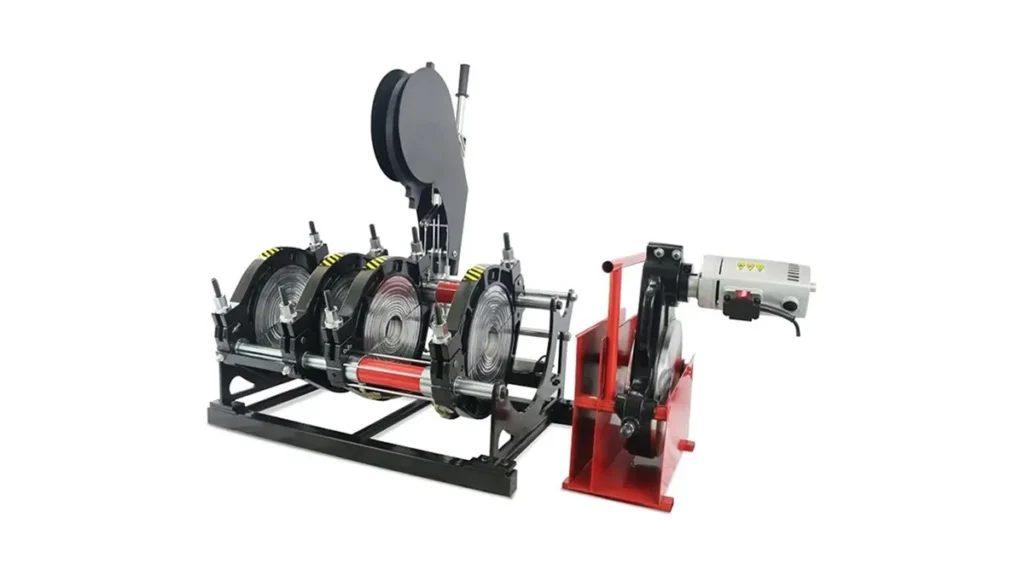
Finding a reliable butt welding machine wholesaler in Germany means partnering with suppliers who understand local regulations, project cycles and the needs of utilities, contractors and municipal works. This guide highlights how to choose quality butt fusion equipment, what German buyers care about, and how to compare manual, hydraulic and CNC automatic solutions for HDPE pipe welding.
Why Germany Needs Trusted Butt Welding Machine Suppliers
Germany’s extensive infrastructure projects — from urban water networks to gas distribution and industrial installations — demand welding machines that meet strict safety and quality standards. Local operators look for CE-certified equipment, documentation compatible with German standards (DIN) and suppliers who can support on-site commissioning during tight construction seasons.
Key Considerations for German Buyers
Top criteria include machine durability for cold and variable weather, traceable weld logs for contract audits, spare parts availability in Europe and a local or easily reachable service network. Contractors and municipal utilities also value user-friendly interfaces and multilingual manuals for multicultural crews.
Technical Features to Prioritize
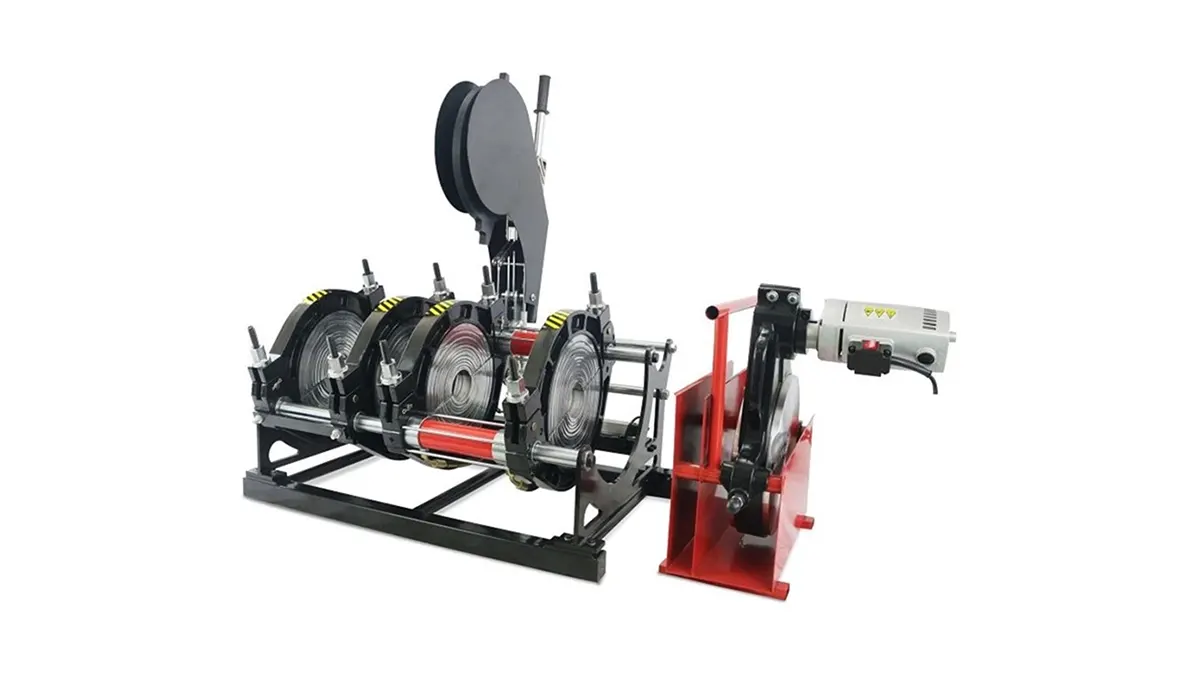
Whether you’re sourcing machines for pipeline maintenance or new installations, prioritize precise temperature control, consistent hydraulic pressure systems, and robust clamping frames able to handle large-diameter HDPE pipes. Portability and modular clamps matter for urban sites with limited access.
Comparison: Manual vs Hydraulic vs CNC Automatic
| Type | Best For | Advantages | Considerations |
|---|---|---|---|
| Manual Butt Fusion | Small jobs, service teams | Lightweight, cost-effective, easy to transport | Requires skilled operator for consistency |
| Hydraulic Butt Fusion | Frequent on-site use, medium to large pipes | Stable pressure, durable frames, consistent results | Heavier, needs maintenance of hydraulic components |
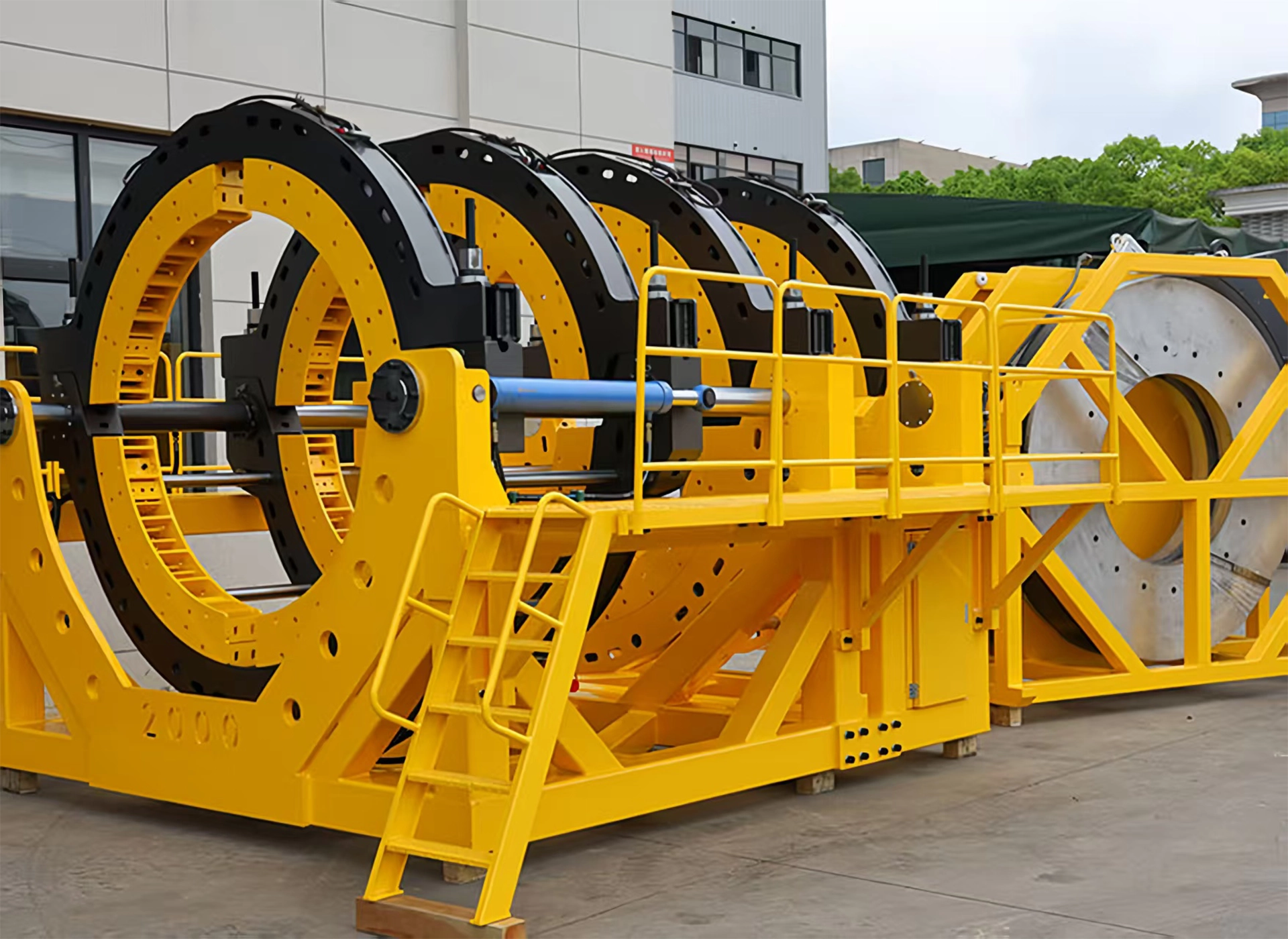
| CNC Automatic Butt Fusion | Large projects, high-throughput production lines | Automated control, weld logging, minimal operator variance | Higher upfront cost, requires training |
For German infrastructure contractors handling municipal water renewal or gas distribution upgrades, the ability to export weld logs and comply with DVGW recommendations is often decisive. Machines that support digital reporting integrate smoothly into modern asset management systems.
Service, Spare Parts and Local Support
Choose wholesalers who can provide timely spare parts shipments to Germany and offer remote troubleshooting or certified local technicians. Seasonal peak times (spring/summer) make fast support essential for meeting deadlines on public works and utility contracts.
Buying Tips for German Distributors and Contractors
Request CE documentation and user manuals in German or English, confirm warranty and spare parts lead times, and ask for references on similar European projects. When possible, test a demo machine on a sample weld to evaluate operator ergonomics and weld quality.
Why Partner with an Established Manufacturer
Working with experienced manufacturers ensures product lines that span from manual and hydraulic to fully automatic CNC butt fusion machines, plus optional multi-angle fittings equipment. One such provider is JQ-Fusion, a professional manufacturer specializing in HDPE pipe welding machines for global infrastructure projects.
Final Checklist Before You Order
Confirm pipe diameter range, required welding cycle time, data logging needs, onsite portability, and CE compliance. Also verify packaging and shipping terms for delivery to German ports and the availability of multilingual technical support.
Next step: Contact your chosen wholesaler to request specifications, certificates and a site demo to ensure the equipment meets your project’s technical and regulatory needs.



