
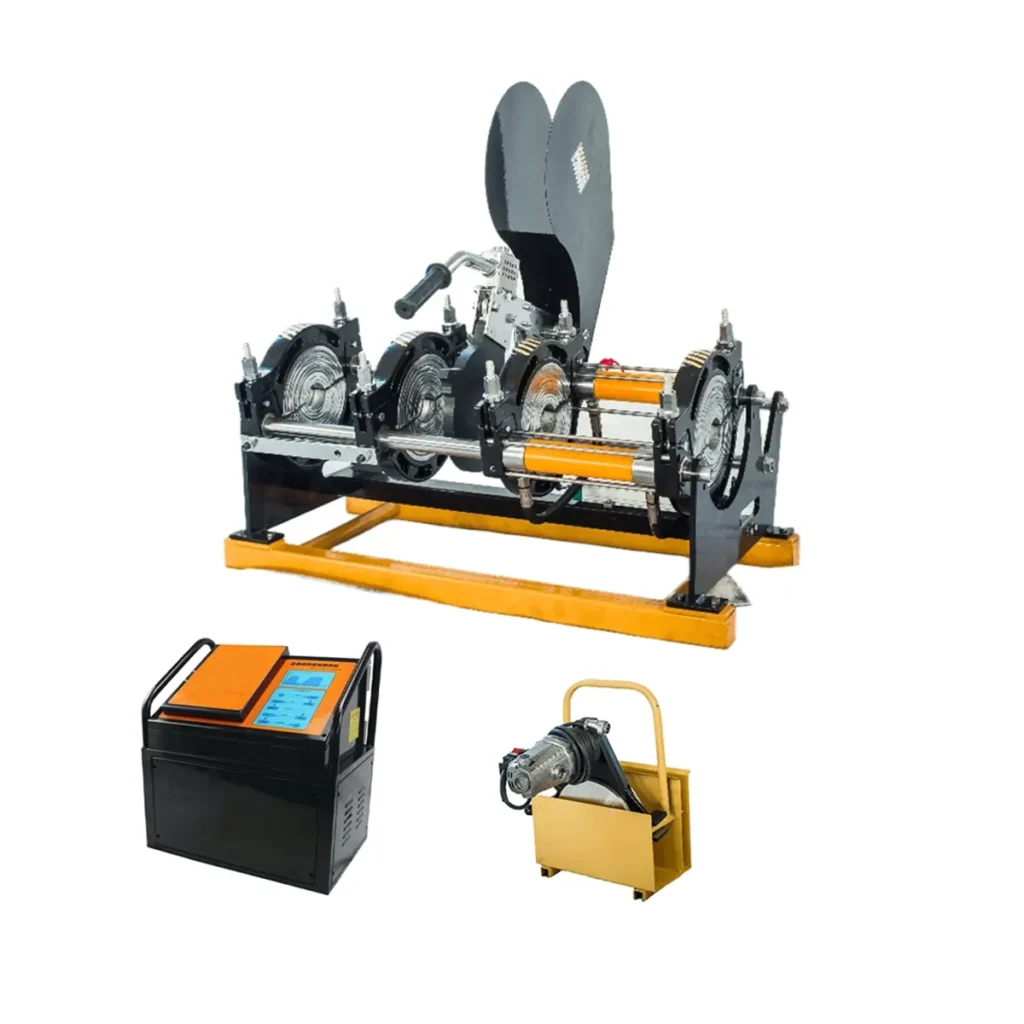
For Nigerian contractors, utility operators, and industrial project managers searching for reliable automatic pipe welding machine suppliers, understanding local needs and supplier capabilities is essential. This guide highlights trusted solutions, buying tips, and what to expect when sourcing HDPE butt fusion and automatic welding equipment in Nigeria.
Why the Right Welding Machine Matters in Nigeria
Durability under local conditions: Nigeria’s humid coastal zones, dusty inland sites, and long-distance pipeline projects demand machines that resist corrosion, remain stable under temperature swings, and perform reliably on remote jobsites. Automatic and hydraulic butt fusion machines reduce human error and speed up large-diameter connections—important for water distribution, gas pipelines, and oil & gas activities.
Common Nigerian Applications
Municipal water networks, rural electrification conduits, gas distribution lines, mining pipelines, and onshore oil & gas flowlines are typical projects. Mobility, power flexibility (battery/low-voltage options), and local serviceability are high-priority features for buyers.
Top Machine Types to Consider
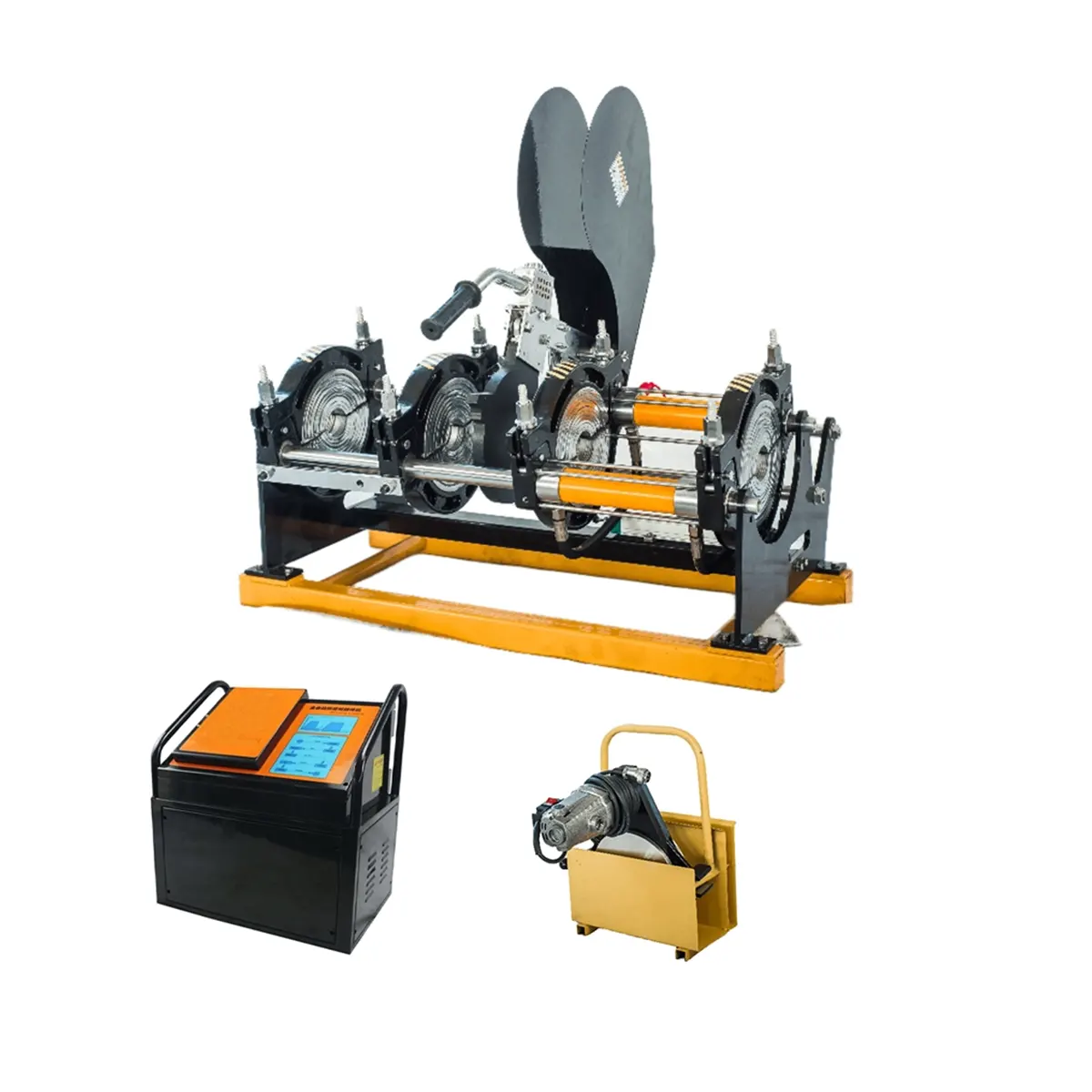
Selecting between manual, hydraulic, and CNC automatic butt fusion machines depends on project scale. For large pipeline contractors in Nigeria, CNC automatic machines offer precise heating and controlled fusion cycles—ideal for long runs and ensuring consistent weld quality across many joints.
Quick Comparison
| Type | Typical Pipe Size | Best For | Notes |
|---|---|---|---|
| Manual Butt Fusion | 20mm–630mm | Small crews, repairs | Portable, low-cost, needs experienced operator |
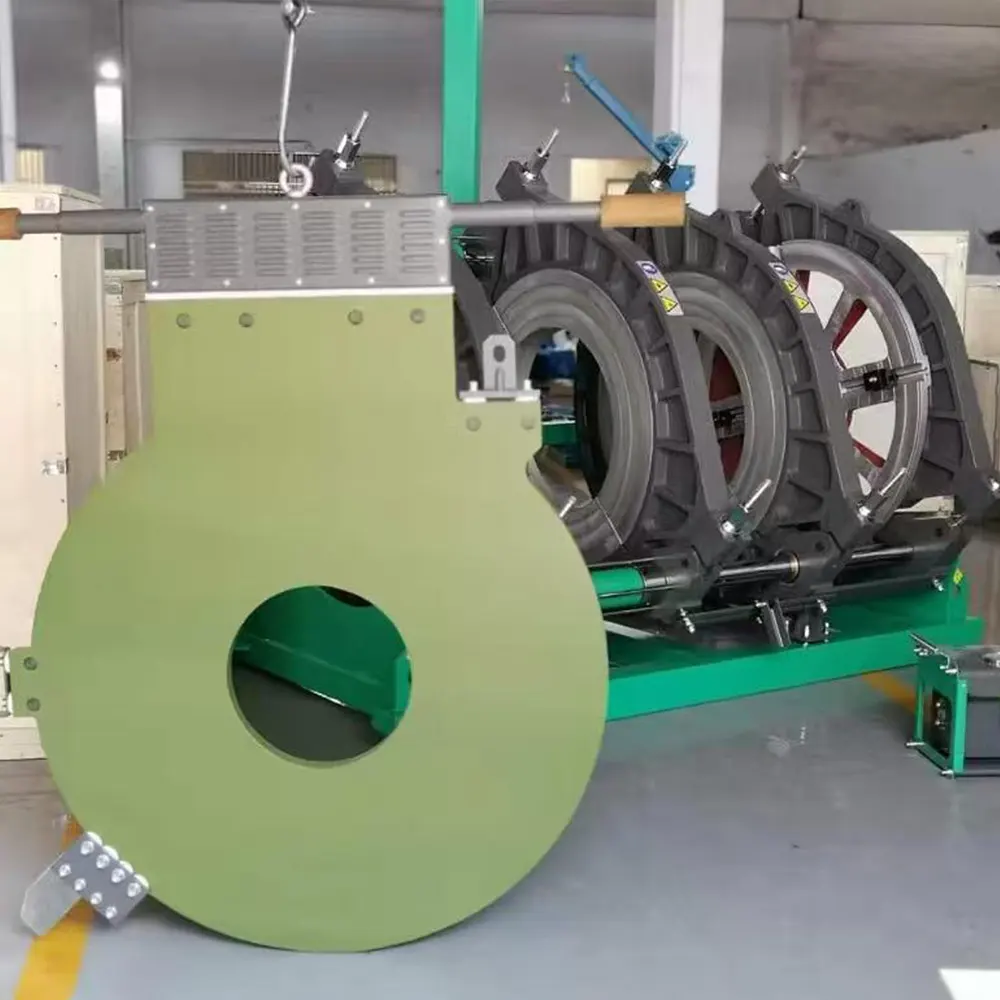
| Hydraulic Butt Fusion | 63mm–1600mm+ | Medium to large pipelines | Higher clamping force, reliable in rough terrain |
| CNC Automatic Butt Fusion | 160mm–2250mm | High-volume projects, quality-critical work | Precise, records welding data, best ROI on large projects |
When evaluating suppliers, check local spare parts availability, training services, warranty terms, and the supplier’s experience with Nigerian infrastructure projects.
Buying Checklist for Nigerian Buyers
– Confirm machine compatibility with local power supplies and consider options with generator or battery support.
– Ask for a demonstration video and documented welding records (for CNC machines).
– Verify corrosion-resistant finishes and coastal-use protections for southern projects.
– Ensure the supplier offers training and a parts kit for first-level maintenance.
– Review lead times and customs/import assistance to avoid project delays.
After-Sales & Local Support
Prompt spare part delivery and technician training are critical in Nigeria where travel between sites can be time-consuming. Look for suppliers who provide remote technical support, clear maintenance guides, and replacement part packages that can be shipped quickly.
Trusted Manufacturer Example
JQ-Fusion (https://jq-fusionwelding.com/) manufactures a wide range of HDPE pipe welding machines including manual, hydraulic, and CNC automatic butt fusion models that meet international standards and are suitable for Nigeria’s diverse project needs.
Final Tips for Procurement Teams
Budget for installation, operator training, and a starter spare-parts kit. For large government or utility tenders, prioritize machines with data logging and certification to simplify compliance and quality assurance.



