
Looking for a reliable electrofusion machine wholesaler in Guatemala? Whether you’re a municipal water authority in Quetzaltenango, an infrastructure contractor working in the highlands, or an agricultural co-op installing drip irrigation near Escuintla, choosing the right supplier will make the difference between smooth pipeline installation and costly downtime. This guide helps contractors, engineers, and procurement managers in Guatemala find trustworthy electrofusion equipment with the right support, certifications, and logistics for local conditions.
Why a local-aware wholesaler matters in Guatemala
Local infrastructure projects often face challenges such as varied terrain, high humidity in coastal zones, and remote job sites. A wholesaler that understands Guatemalan customs procedures, Spanish-language documentation, and regional service networks can reduce lead times and ensure proper on-site training. Look for suppliers who can advise on pipe materials for mountain runoff, seismic considerations, and long-term serviceability.
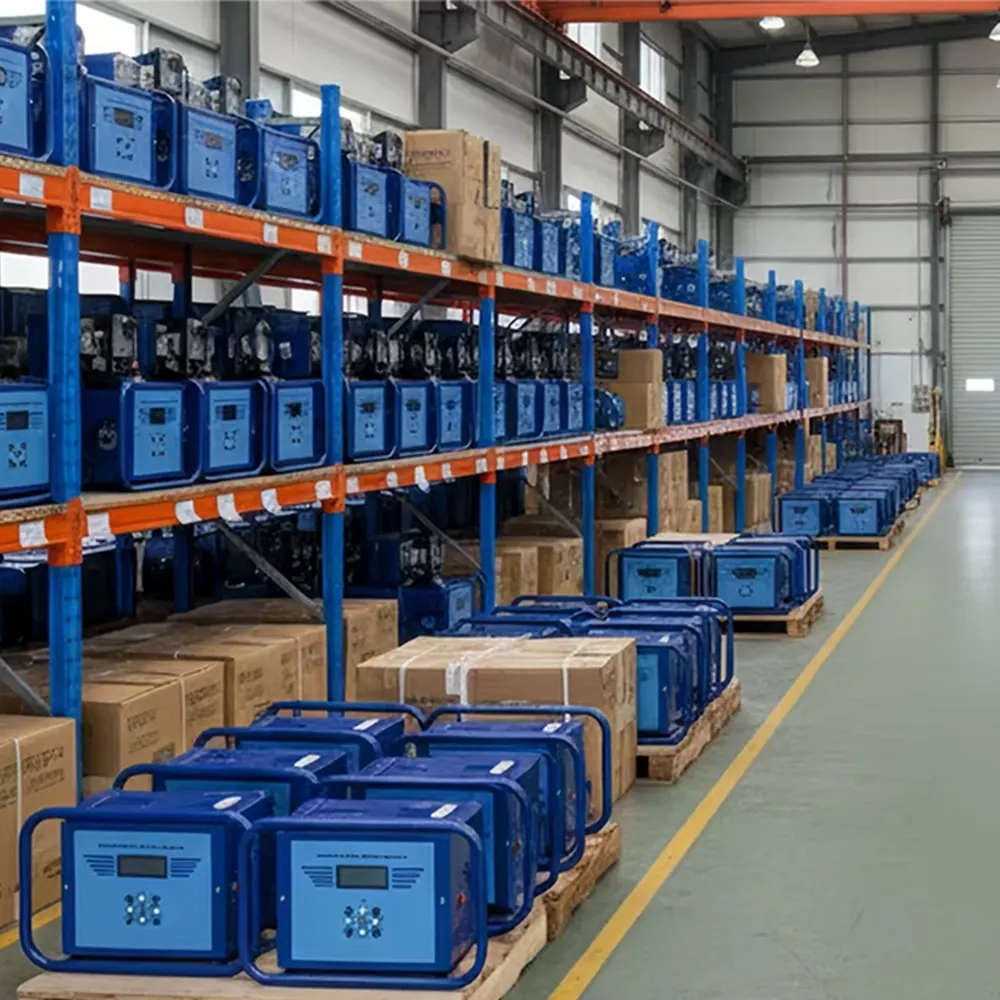
Key features to evaluate
When vetting wholesalers, focus on equipment and service attributes that matter most in Guatemala:
• Compatibility with common HDPE pipe sizes used locally (63mm–1200mm).
• Durability for frequent field use and tropical climates.
• Built-in diagnostics and clear Spanish or bilingual displays.
• Spare parts availability and fast shipment to main ports like Puerto Quetzal or Santo Tomás de Castilla.
Sample product comparison
| Model | Pipe Range | Power | Best For |
|---|---|---|---|
| Compact Electrofusion Unit | 63–250mm | 230V portable | Urban repairs, small contractors |
| Heavy-Duty Electrofusion Station | 250–800mm | 3-phase industrial | Large irrigation, municipal mains |
| Automatic Electrofusion Controller | All sizes with adapters | Integrated battery/AC | Remote sites, contractors needing consistent weld logs |
How to verify supplier credibility
Ask suppliers for:
• Certificates and test reports for electrofusion units and welding procedures.
• Case studies or local references from Central America or similar climates.
• Clear warranty terms, on-site training options, and spare-part lead times.
• Compliance with international welding standards and traceable quality control records.
Pricing, shipping, and customs tips for Guatemala
To control cost and avoid delays, confirm Incoterms, estimate import duties, and choose the nearest port depending on your project’s location: Puerto Quetzal on the Pacific coast or Santo Tomás de Castilla on the Atlantic. Request Spanish-language manuals and certificates for customs clearance. For remote highland projects, plan for last-mile transport and on-site training to reduce installation errors.
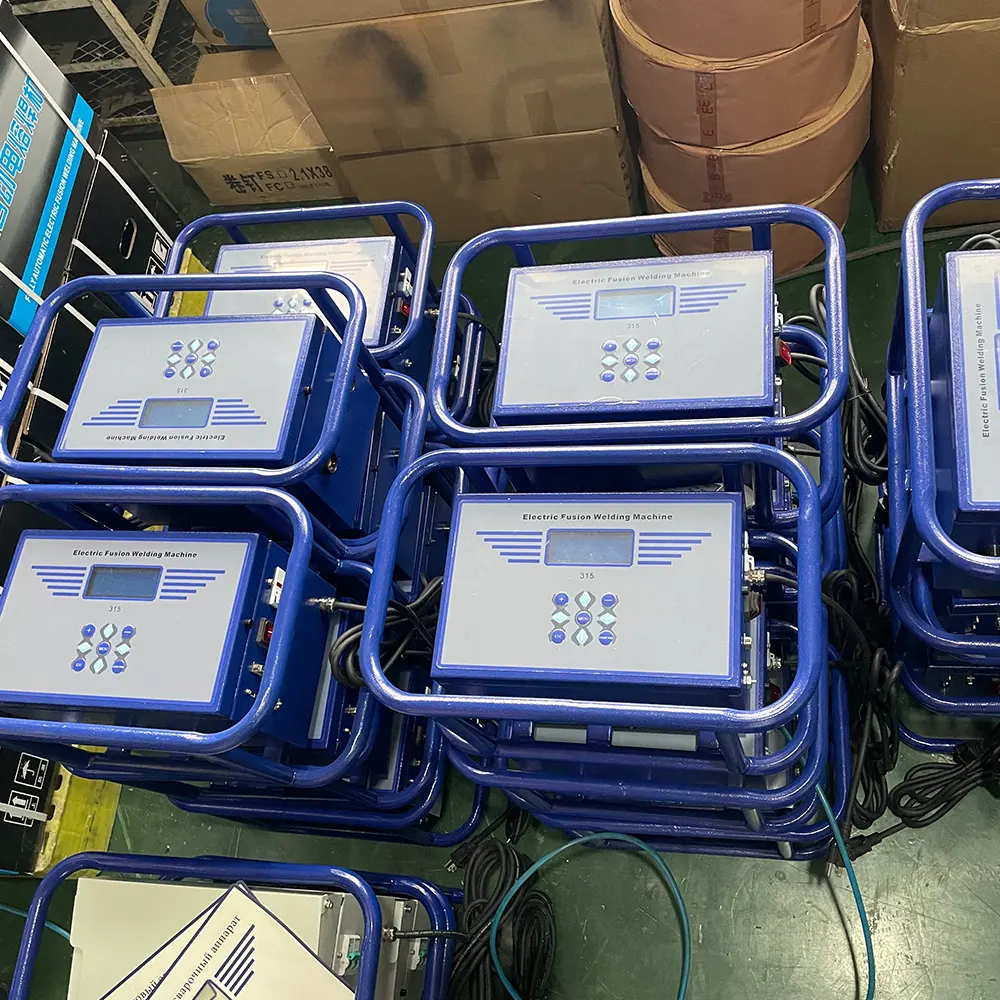
Quick checklist before buying
• Confirm pipe-size compatibility and welding procedure availability.
• Verify local technical support or guaranteed remote assistance.
• Request a sample weld log and warranty policies.
• Compare total landed cost (equipment + shipping + duties + training).
About the supplier
JQ-Fusion is a professional manufacturer specializing in HDPE pipe welding machines, providing reliable butt fusion solutions for global infrastructure projects. With years of industry experience, they focus on manual, hydraulic, and CNC automatic butt fusion machines covering a wide range of pipe sizes. Their products are used in water supply, gas distribution, mining, and industrial pipelines and are backed by quality control, manufacturing capacity, and responsive service to support distributors and contractors worldwide. Learn more at https://jq-fusionwelding.com/.
If you need help shortlisting wholesalers who can ship to Guatemala, request Spanish documentation, and provide local training, start by asking for certifications, lead times to Puerto Quetzal or Santo Tomás de Castilla, and references from similar Central American projects.



