
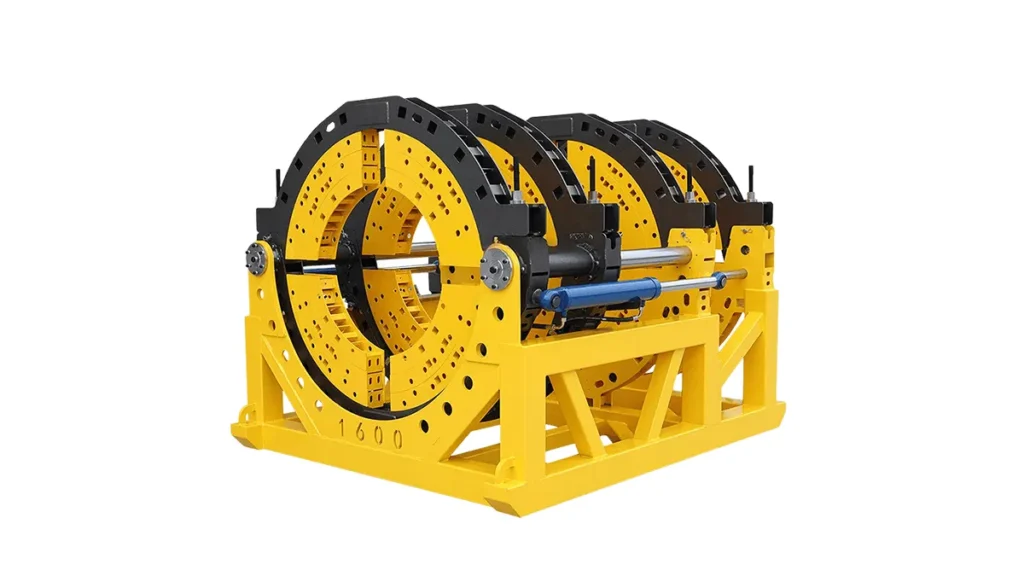
Hot melt welding machines play a crucial role in modern pipeline production and repair, delivering fast, consistent joins for thermoplastic materials. This guide explores what to expect from a dependable hot melt welding machine factory, how to evaluate manufacturing partners, and which machine types and services support efficient, high-quality production.
Why a reliable factory matters for hot melt welding equipment
Consistency, traceability, and uptime are the pillars that separate reputable factories from commodity suppliers. A strong manufacturer invests in precision machining, robust hydraulic and electrical systems, and quality control processes that ensure each machine performs reliably in field conditions — from municipal waterworks to industrial installations.
Choosing the right factory reduces risk: fewer warranty claims, predictable delivery schedules, and easier access to spare parts and technical support. For contractors and OEMs, this translates into lower total cost of ownership and smoother project timelines.
Core products you should expect
Modern factories typically offer a range of solutions to fit diverse needs:
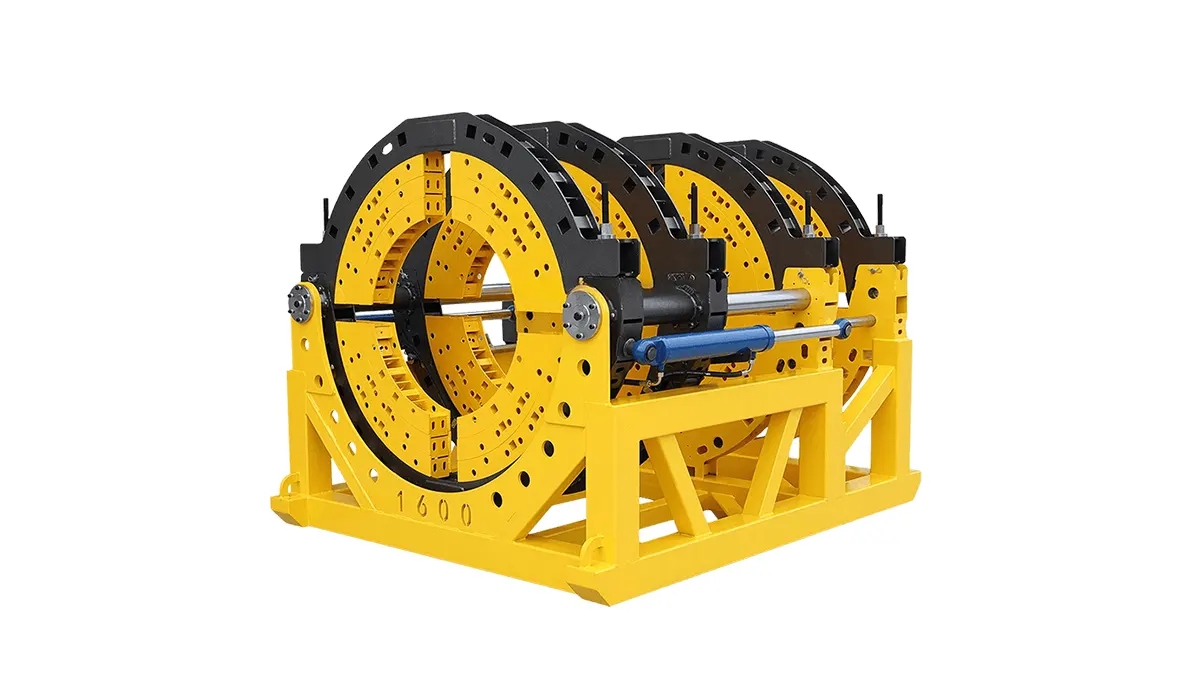
Manual machines for small-diameter and mobile repairs; hydraulic machines for heavy-duty, large-diameter fusion; and automatic/CNC systems for production lines and projects requiring high repeatability.
Key factory capabilities and features
When vetting suppliers, look for:
– Robust clamping forces and accurate alignment systems
– Precise heater plates and trimming tools for consistent bevels
– User-friendly control panels or smart weld loggers
– Modular designs that make maintenance and part replacement straightforward
Performance and specification snapshot
| Feature | Why it matters |
|---|---|
| Alignment accuracy ±0.5mm | Ensures leak-free welds and uniform joint strength |
| Hydraulic clamping up to 200kN | Needed for large-diameter HDPE and thick-walled pipes |
| Integrated weld recorder | Traceability for quality control and project documentation |
Applications across industries
Hot melt and butt fusion equipment is widely used in:
– Water supply and wastewater networks
– Gas distribution and energy infrastructure
– Mining and slurry pipelines
– Industrial process piping and chemical handling
Model comparison: pick the right class
| Model Type | Pipe Diameter Range | Best For |
|---|---|---|
| Manual Butt Fusion | 20mm – 315mm | Small repairs, tight-access jobs |
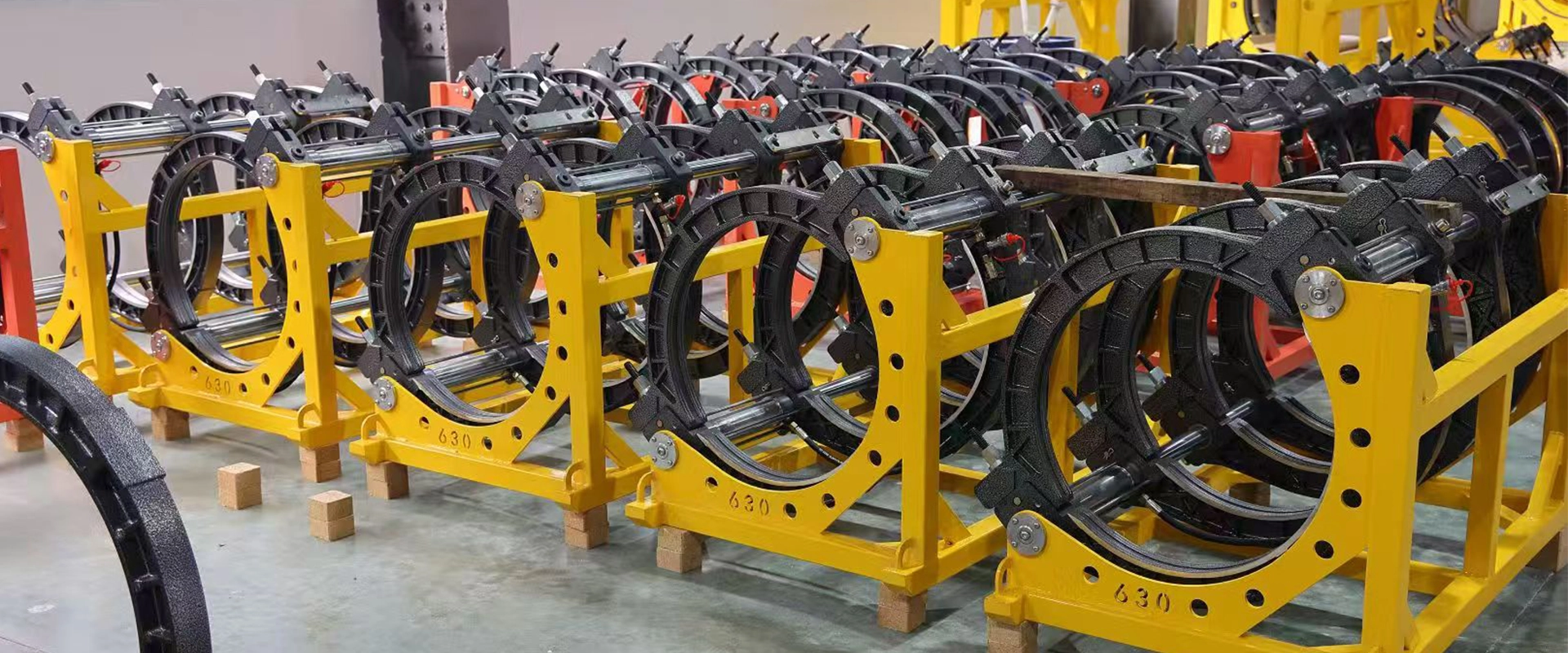
| Hydraulic Butt Fusion | 315mm – 2000mm+ | Large-diameter mains and industrial pipelines |
| Automatic/CNC Systems | 50mm – 1000mm | Factory production lines and high-volume welding |
Quality assurance, testing and support
Top factories include rugged testing routines: material compatibility checks, cycle testing of hydraulic systems, heater plate cycle verification, and calibration of weld monitoring electronics. After-sales support typically covers spare parts, calibration services, and operator training to ensure safe and repeatable welds.
Customization and turnkey services
From tailored clamping fixtures to bespoke control software, a capable factory will offer customization options and can often deliver a turnkey solution — including documentation, weld loggers, and training packages — so clients can deploy equipment quickly and confidently.
For reliable HDPE butt fusion and hot melt welding equipment backed by manufacturing expertise, consider partners such as JQ-Fusion who combine precision engineering with global project experience.



