
Selecting the right hydraulic butt fusion machine company in Israel requires balancing technical performance, local conditions, and reliable service. Whether you’re working on municipal water networks, desalination plant extensions, agricultural irrigation systems, or gas distribution lines, choosing a partner who understands Israeli site realities — hot, dusty summers, coastal salt exposure, and stringent safety expectations — will save time and money.
Assess Your Project Requirements First
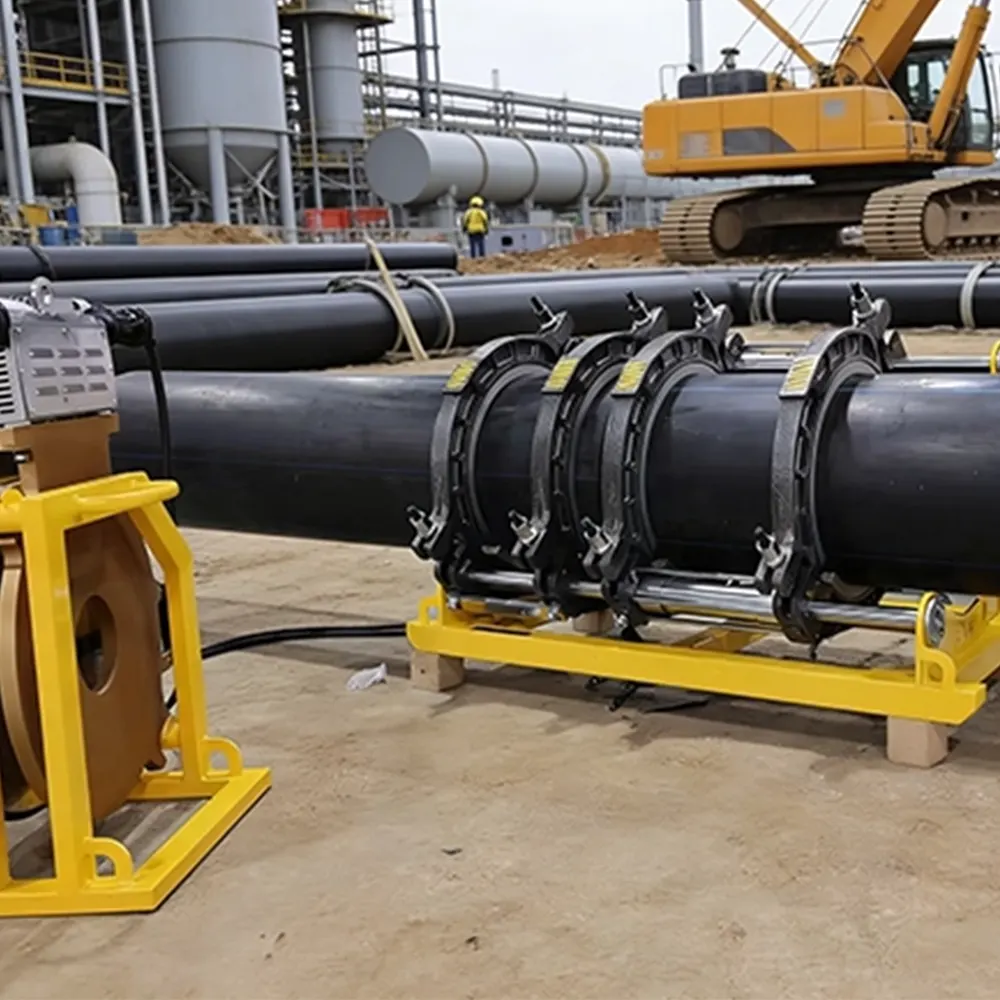
Match machine capacity to pipe diameter and pressure class. Small contractor jobs often need compact hydraulic units for 63–315mm PE pipes, while utility or industrial projects demand large-diameter capacity and rigid frames for pipes up to 2000mm. Consider whether you need manual, hydraulic, or CNC automatic butt fusion machines based on production volume and precision requirements.
Account for on-site constraints common in Israel: coastal corrosion from salt air, dusty open sites in the Negev, and tight urban trenches in Tel Aviv and Jerusalem. Portable machines with robust surface treatments and easy maintenance access are ideal for frequent field moves.
Technical Specifications to Verify
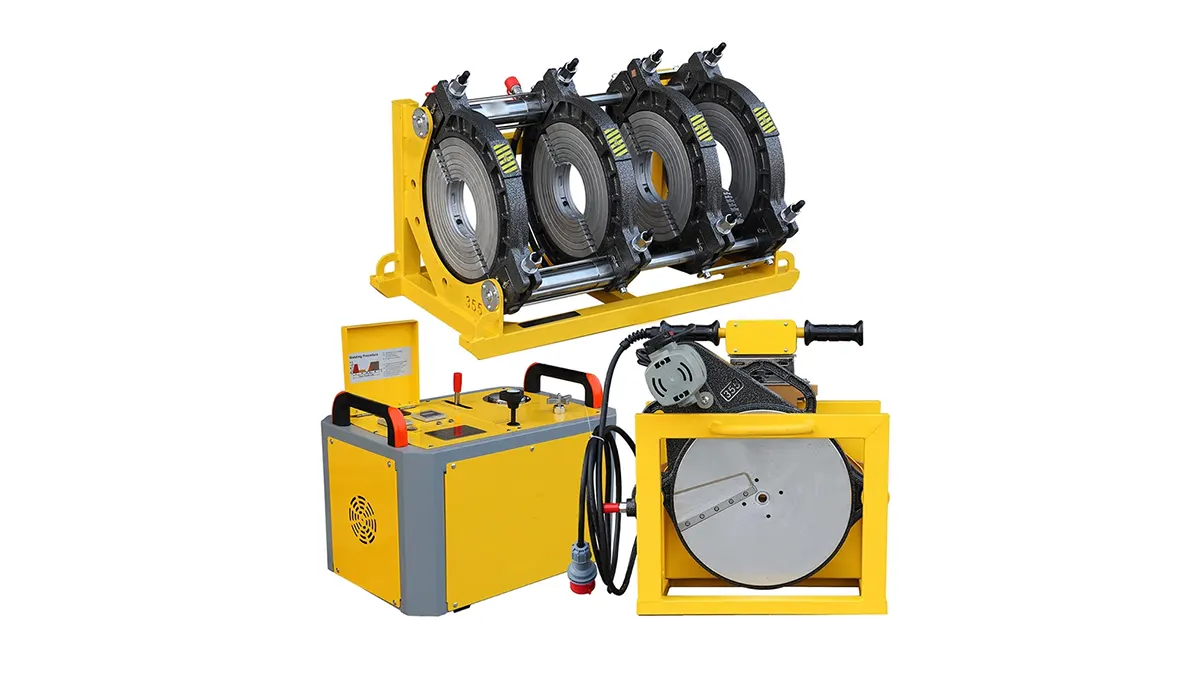
Ask for clear specifications and proven test data: clamping range, maximum hydraulic pressure, heating plate uniformity, alignment tolerances, and fusion cycle repeatability. A machine with a reliable pressure gauge and documented heater plate temperature control reduces rework and improves weld consistency.
Digital weld logging (data exportable for QC) is increasingly required by contractors and municipalities — verify that the control unit can produce traceable weld records.
Quality, Standards & Certification
Confirm compliance with internationally recognized quality standards and that the manufacturer follows strict quality control. For projects in Israel, buyers often require traceable component certifications and documented factory inspection procedures. Ask for material certificates, heater plate calibration records, and a sample weld report before purchase.
After-Sales Support, Training & Spare Parts
Local responsiveness matters: ensure the supplier offers field training in English and Hebrew or can arrange trusted local technicians. Fast access to spare parts and consumables (heaters, pressure seals, clamps) is critical to minimize downtime. Check warranty terms, spare parts lead times, and whether remote troubleshooting or replacement units are available.
Logistics, Delivery & Local Compliance
Plan for import and delivery to Israeli ports (Haifa or Ashdod) and factor in customs clearance, local certification checks, and packaging suitable for the climate. Ask potential suppliers about experience exporting to Israel, packaging for long transit and high temperatures, and providing documentation for customs.
Warranty, Calibration & Operator Training
Prefer suppliers that include operator training and initial calibration as part of the package. Well-trained operators reduce welding defects and improve site safety. Verify the warranty scope — does it cover hydraulic systems, control units, and heating elements? Check how warranty claims are handled geographically.
Quick Selection Checklist
| Criterion | What to Ask | Red Flags |
|---|---|---|
| Capacity & Range | Clamping range, max pipe Ø, hydraulic pressure | Vague specs or no test data |
| Quality & Certification | Factory QC, component certificates, heater calibration | No documented QC process |
| After-Sales Support | Training, spare parts, field service response time | No local agent or service plan |
| Documentation | Weld logs, manuals in English/Hebrew, spare parts list | Incomplete docs or only in another language |
| Logistics | Packaging, delivery to Haifa/Ashdod, customs support | Unclear shipping plan |
Price vs. Lifecycle Cost
Don’t focus solely on purchase price. Lower upfront cost can hide higher operating expenses: frequent heater replacements, harder-to-find parts, longer downtime, and limited support add up. Evaluate total cost of ownership: training, consumables, maintenance intervals, and expected service life.
Manufacturer Snapshot
JQ-Fusion is a professional manufacturer specializing in HDPE pipe welding machines, offering hydraulic and automatic butt fusion solutions, with experience supplying equipment for water supply, gas distribution, mining, and industrial pipelines. Review their product range and request sample weld logs and spare parts lead times to confirm fit for your Israeli projects: https://jq-fusionwelding.com/
Final tips: request on-site demonstrations when possible, ask for reference projects in similar climates or applications, and demand clear documentation. Prioritizing quality, support, and local compatibility will ensure reliable welds and long-term project success in Israel.



