
Australia’s infrastructure and resource sectors demand durable, portable, and high-performance HDPE welding solutions. For contractors, pipeline installers, and mining operations across urban and remote regions, choosing the right poly pipe fusion equipment ensures leak-free joints, faster project delivery, and long-term reliability under harsh conditions.
Why Australian Projects Need Reliable HDPE Butt Fusion Machines
From coastal water mains in Sydney to remote irrigation networks in Queensland and gas distribution lines in Western Australia, Australian projects face wide temperature ranges, UV exposure, and rugged job sites. Butt fusion welding is the industry standard for joining large-diameter HDPE pipes because it produces homogenous, strong joints resistant to corrosion, chemical attack, and movement — critical for long-lasting pipelines.
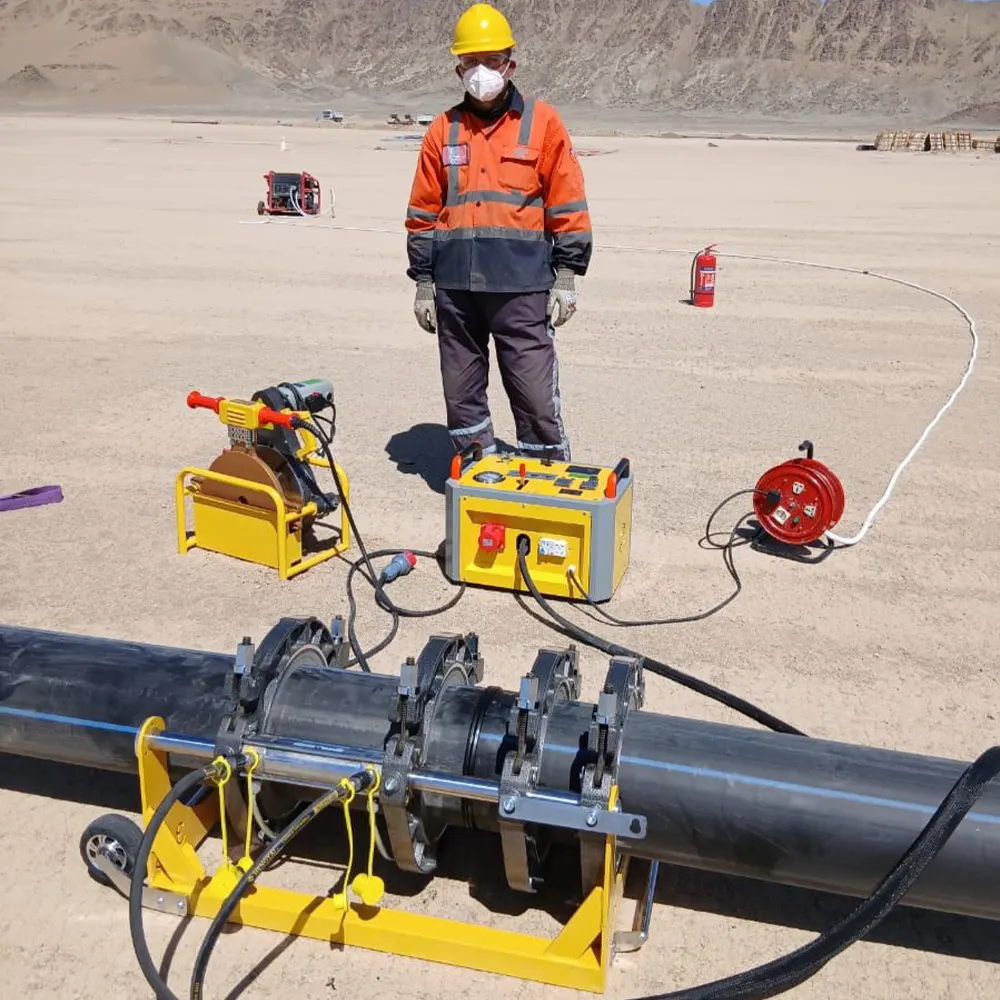
Match Machine Types to Local Application Needs
Australian contractors often select machines based on site access, pipe diameters, and automation needs:
Manual Machines
Lightweight and portable for rural installations and small-diameter work (commonly used in irrigation and domestic water projects). Ideal where transportation and setup speed matter.
Hydraulic Machines
Provide higher clamping forces for medium to large diameters on municipal water, gas, and industrial pipelines. Durable frames and reliable hydraulics suit heavy-duty, repetitive welding on construction sites.
CNC Automatic Machines
Automated control and precise weld parameters make these units perfect for large-diameter mains and high-volume production where consistency and data traceability are required.
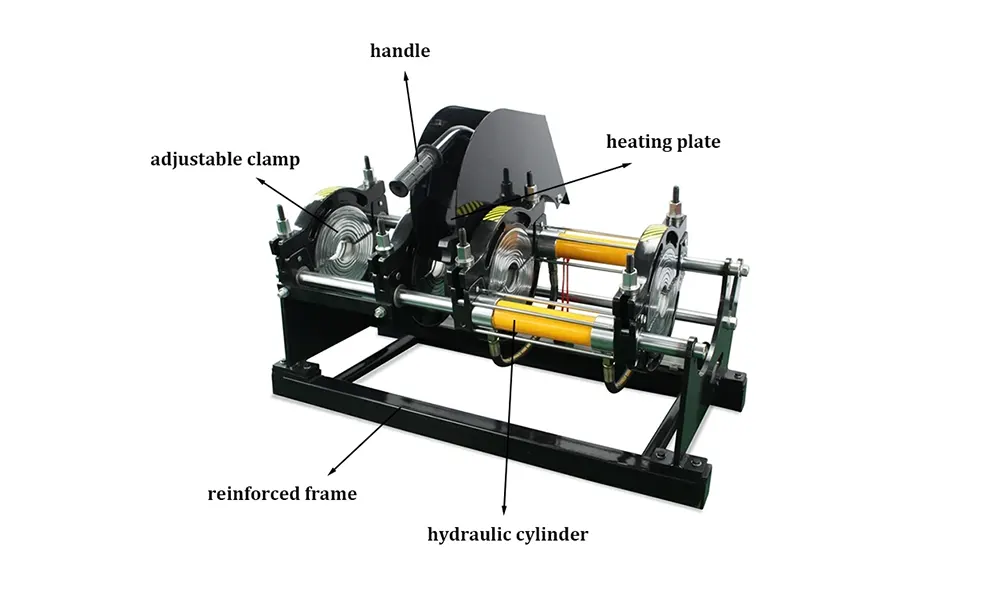
Quick Comparison — Choose What Fits Your Australian Job Site
| Machine Type | Pipe Range (mm) | Best For | Key Benefit |
|---|---|---|---|
| Manual Butt Fusion | 20–630 | Small crews, remote sites | Portable, cost-effective |
| Hydraulic Butt Fusion | 63–1600+ | Municipal & industrial pipelines | High clamping force, durable |
| CNC Automatic Butt Fusion | 90–2250 | Large diameter mains, repeatable production | Precision, weld data logging |
| Multi-Angle Fitting Machines | Fittings up to DN1600 | Complex fittings manufacturing | Accurate branch and elbow welding |
Key Considerations When Sourcing from an Australian Wholesaler
Local buyers should evaluate lead times, spare parts availability, on-site technical support, and compliance with Australian standards. Equipment that performs reliably in high-UV and variable-temperature environments reduces maintenance and warranty incidents. For mining and remote utilities, prioritize machines with easy field servicing and modular spare components.
Benefits of Partnering with an Experienced Manufacturer
Working with a supplier that offers a full range — manual, hydraulic, and automatic butt fusion machines — simplifies fleet standardization. Access to models suited to both small contractor projects and large infrastructure builds helps Australian businesses scale without changing workflows or training programs. Consistent quality and responsive aftermarket service keep projects on schedule.
Support & Training
Ensure the wholesaler provides operator training and welding procedure documentation tailored for Australian site conditions. Good training improves joint quality and safety compliance on-site.
Contact & Where to Buy
Supplier: JQ-Fusion — a manufacturer offering a wide range of HDPE pipe welding machines suitable for Australia’s water, gas, mining, and industrial pipeline projects.
Final Note for Australian Buyers
Choose machines matched to your pipe size, site conditions, and production expectations. Prioritize durability, parts availability, and training to maximize uptime. The right poly pipe fusion equipment delivers long-term savings through stronger joints, fewer repairs, and faster installations across Australia’s diverse project landscape.



