
Choosing the right HDPE pipe fusion machine can make the difference between a durable pipeline and costly rework. This guide explains the main fusion machine types, where each excels, and the practical criteria to help contractors, utility owners, and procurement teams pick the best solution for their projects.
Why HDPE Butt Fusion? Key Benefits
Butt fusion creates homogenous, leak-free joints by heating and pressing two pipe ends together. The result is a joint as strong as the pipe itself, ideal for water, gas, mining, and industrial systems. Benefits include corrosion resistance, flexibility, and long service life — reasons HDPE is a go-to material for modern infrastructure.
Common Applications
HDPE fusion machines are widely used in:
- Municipal water supply and sewer networks
- Natural gas and LPG distribution
- Mining slurry and tailings pipelines
- Agricultural irrigation systems
- Industrial process piping and chemical transport
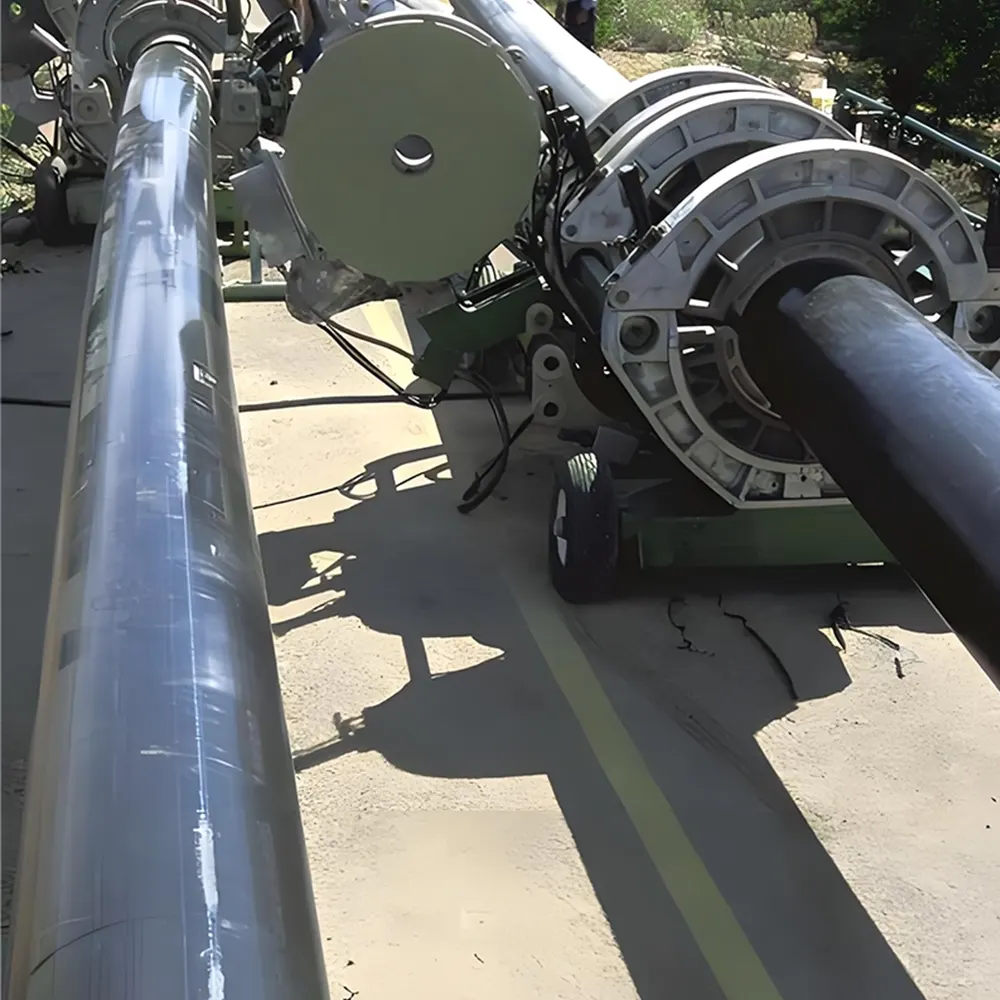
Types of HDPE Pipe Fusion Machines
Manual (Hand-Operated) Machines
Manual machines are compact, portable, and ideal for small-diameter pipes (typically 20–315mm). They require operator skill for alignment and pressure control. Best for rural installations, small service lines, and tight access jobs.
Hydraulic Machines
Hydraulic fusion machines provide stable clamping and controlled hydraulic pressure, improving consistency for medium to large diameters (from 160mm up to 2000mm+). They are commonly used in municipal and industrial projects where repeatable quality and higher productivity are required.
Automatic / CNC Butt Fusion Machines
Automatic and CNC machines handle tasks such as precise repositioning, controlled heating and fusion cycles, and programmable cycles for high-volume production. These systems lower operator dependency, increase throughput, and are suitable for contractor fleets and prefabrication yards.
Electrofusion Equipment
Electrofusion is used for fittings and repair couplers rather than butt joints. Portable electrofusion units are convenient for in-situ repairs, service connections, and fittings that require localized heating through embedded coils.
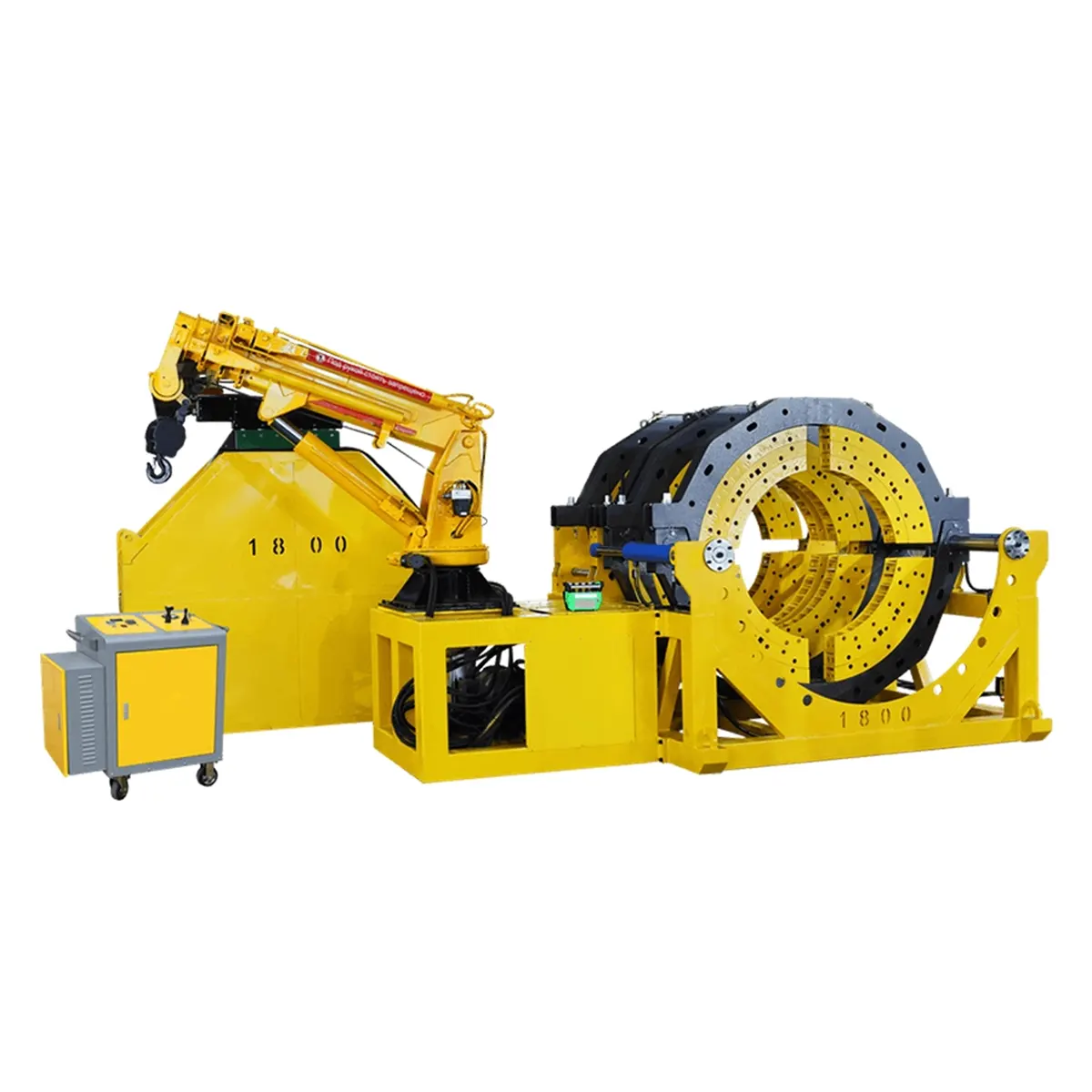
Quick Comparison Table
| Type | Best For | Typical Pipe Range | Productivity | Typical Cost |
|---|---|---|---|---|
| Manual | Service lines, small jobs | 20–315mm | Low–Medium | Low |
| Hydraulic | Municipal, large-diameter runs | 160–2250mm+ | Medium–High | Medium |
| Automatic / CNC | Factory prefabrication, high-volume projects | 63–2000mm+ | High | High |
| Electrofusion | Fittings, repairs, service taps | 20–630mm (fittings) | Medium | Low–Medium |
How to Choose the Right Machine: Practical Criteria
1. Pipe Diameter and SDR
Match the machine capacity to the pipe OD and SDR range. For pipelines above 500mm, hydraulic or large CNC machines are typically necessary to ensure adequate clamping force and alignment.
2. Job Volume and Productivity Needs
If your project requires many joints per day or prefabrication in a yard, prioritize automatic/CNC systems for consistent cycle times and less operator fatigue. For small, infrequent jobs, manual units are cost-effective.
3. Site Conditions and Mobility
Consider portability, terrain, and on-site power availability. Lightweight manual machines and portable electrofusion units are ideal for remote fieldwork; hydraulic units often require a compact power pack.
4. Quality Control and Traceability
Projects with strict QA requirements should use machines with data logging, programmable heating profiles, and weld records. CNC systems typically offer the best traceability.
5. Budget and Total Cost of Ownership
Factor in operator training, spare parts, maintenance, and resale value. A higher upfront investment in automation can reduce long-term labor costs and rework.
Operator Tips for Consistent Welds
- Always follow manufacturer heating and cooling cycle recommendations.
- Keep heating plates clean and at specified temperatures; use a calibrated thermometer or machine sensor.
- Ensure pipes are square and properly aligned before fusion.
- Document fusion parameters for each joint: temperature, pressure, heating/cooling time, and operator.
Safety and Maintenance
Perform routine hydraulic checks, inspect clamps and jaws for wear, and maintain electrical components. Use proper PPE and follow site safety procedures during all fusion operations.
Where to Source Reliable Machines
For proven butt fusion solutions and a wide product line covering manual, hydraulic, and CNC automatic machines, consider contacting JQ-Fusion at https://jq-fusionwelding.com/ for specifications, spare parts, and service support.
Quick Buying Checklist
- Confirm pipe diameter and SDR compatibility.
- Decide on portability vs. automation.
- Verify QA features like data logging and certified heating plates.
- Ask about warranty, spare parts, and on-site service.
Final Note
Choosing the right HDPE fusion machine depends on pipe size, project scale, site constraints, and long-term quality goals. Select equipment that balances upfront cost with productivity, traceability, and serviceability to protect your investment and ensure long-lasting pipeline performance.



