
The electric fusion high frequency control welding machine (often called an electrofusion welding machine) is a precision tool designed for joining thermoplastic pipes and fittings with consistent, high-quality results. Used widely across municipal, industrial, and utility projects, these machines combine controlled heating with specialized fittings to create leak-free joints that meet strict safety and performance standards.
Why High Frequency Control Matters
High frequency control systems enable rapid, stable heating cycles and precise energy delivery to electrofusion fittings. Compared with manual heating or less advanced controllers, high frequency control provides consistent penetration, reduced cycle variability, and improved repeatability—critical for pipelines transporting water, gas, or hazardous fluids.
Key Technical Advantages
Accurate heating profiles reduce the risk of under- or over-welding. Integrated sensors and digital controllers adjust power in real time to match fitting resistance and ambient conditions. This results in stronger fusion beads and more reliable joints across variable field conditions.
Core Features of Electric Fusion High Frequency Control Machines
Modern electrofusion welding machines typically include:
– Digital PID or microcontroller-based power regulation for stable frequency and voltage
– Built-in databases for fitting codes and recommended welding programs
– Automatic record-keeping and USB or wireless export for quality traceability
– Portable, rugged frames and intuitive displays for field use
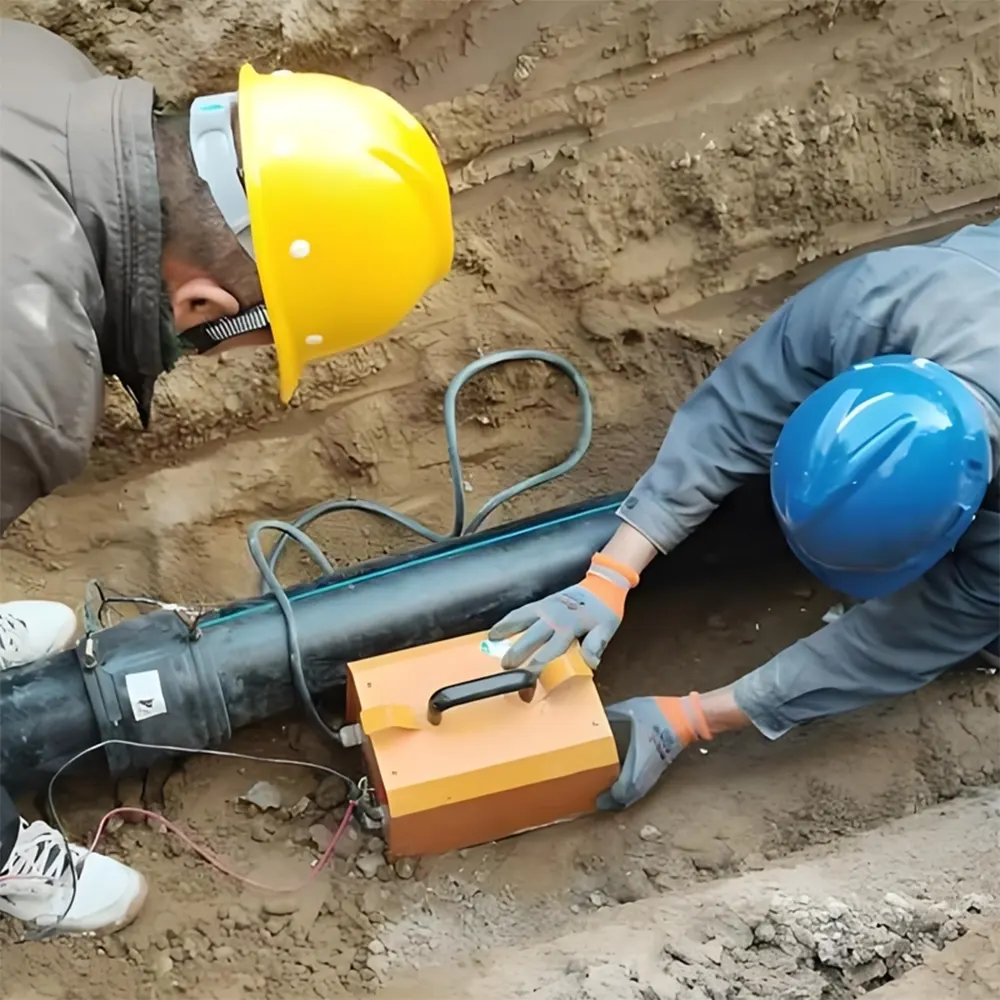
Durability and Portability
High frequency electrofusion machines are engineered to withstand jobsite conditions. Shock-resistant enclosures, dust- and splash-protected controls, and long-life power modules keep downtime low and maintenance manageable.
Benefits for Contractors and Utilities
Switching to an electric fusion system with high frequency control delivers measurable benefits:
– Faster cycle times and fewer retries improve project throughput.
– Consistent weld quality reduces field failures and long-term maintenance costs.
– Traceable weld records help meet regulator and client reporting requirements.
Cost and ROI
Initial investment in advanced controls typically pays back through reduced labor, fewer repairs, and improved commissioning speed. For large infrastructure projects, the value of reliable joints and documented weld records can outweigh equipment costs in the first phase of operations.
Typical Applications
Electric fusion high frequency control welding machines are widely used in:
– Water and wastewater distribution networks
– Natural gas and LPG distribution systems
– Industrial chemical piping and process lines
– Mining slurry and tailings pipelines
– Trenchless rehabilitation and new HDPE pipeline construction
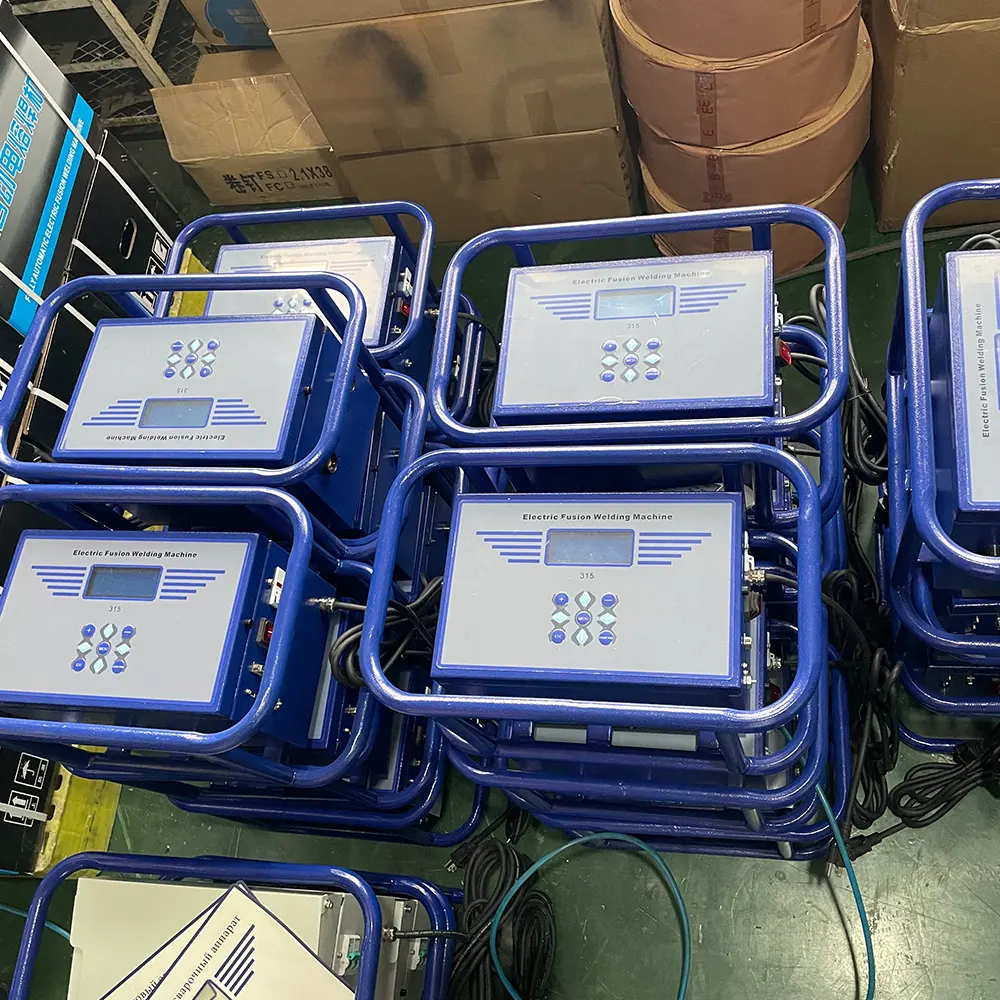
Quick Selection Guide
When selecting a high frequency electrofusion welding machine, consider:
– Compatibility with the fitting manufacturers and codes used on your projects.
– Power requirements and available site source (battery, generator, mains).
– Data logging and export features for project QA/QC.
– Ease of use and field support availability.
Maintenance Tips
Routine upkeep keeps machines operating at peak performance: keep connectors clean, verify calibration periodically, store units in dry conditions, and replace worn leads or clamps before they affect weld quality.
Feature Comparison Table
| Feature | Benefit | Why It Matters |
|---|---|---|
| High frequency inverter | Stable, efficient heating | Consistent weld strength across runs |
| Digital program library | Quick setup for different fittings | Reduces operator error and saves time |
| Data logging & export | Traceability for each weld | Essential for compliance and audit |
Common Questions
Can electrofusion machines join different pipe materials?
Electrofusion is designed for compatible thermoplastics—primarily PE (HDPE/MDPE). Fusion between different polymer types or between polymer and metal requires specialized techniques, not standard electrofusion.
How important is operator training?
Training is critical. Even the best high frequency control systems need correct setup and fitment. Proper training ensures weld programs are selected correctly, fittings are prepared to specification, and records are captured for QA.
Where to Learn More and Get Support
For tailored solutions, product ranges, and technical support for high frequency electrofusion equipment, visit JQ-Fusion at https://jq-fusionwelding.com/ to explore models, datasheets, and service options.



