
Electrofusion welders are essential tools for joining HDPE and other thermoplastic pipes across Italy’s diverse infrastructure projects — from municipal water networks in Rome to agricultural irrigation systems in Tuscany and gas distribution upgrades in Lombardy. Choosing the right electrofusion machine and partner can reduce failure risk, speed installation, and ensure compliance with European standards.
Why Electrofusion Welding Matters in Italy
Italy’s aging urban pipelines and expanding rural irrigation systems demand reliable, leak-free connections. Electrofusion welding delivers consistent joints with minimal excavation and excellent resistance to soil movement, seismic stress, and thermal cycling — factors relevant for both northern alpine zones and southern Mediterranean climates.
Applications Relevant to Italian Projects
- Municipal water networks: Long service life and corrosion resistance make electrofusion ideal for potable water distribution.
- Gas distribution upgrades: Safe, certified joints for low- and medium-pressure systems in urban and suburban areas.
- Irrigation and agribusiness: Robust fittings for farms across Lazio, Veneto and Sicily where downtime must be minimized.
- Industrial pipelines: Chemical and process lines requiring controlled, repeatable welds.
Key Features to Look For
When spec’ing electrofusion welders for Italian projects, prioritize machines with:
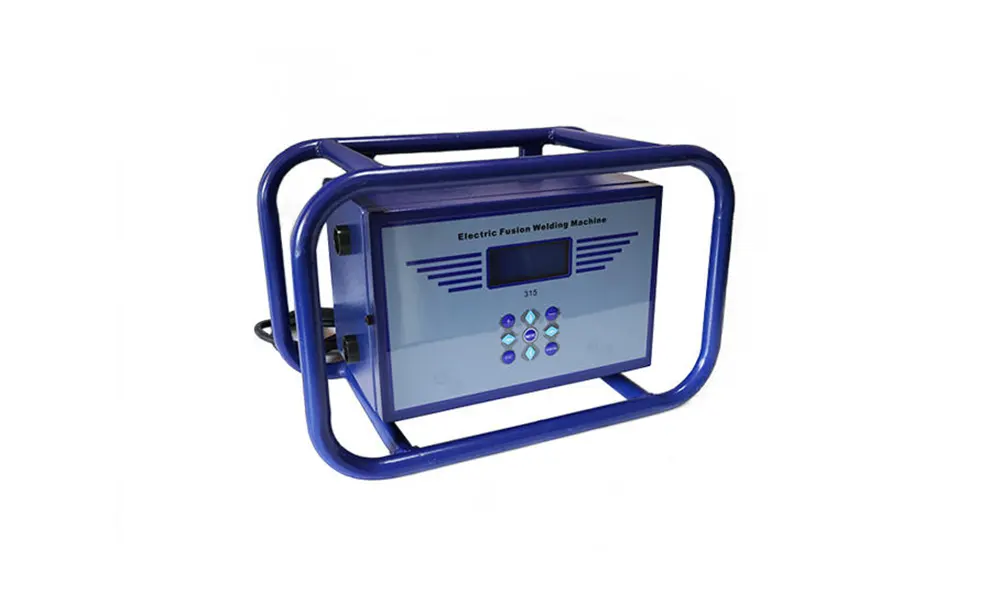
- Automated cycle control: Built-in programs reduce operator variability and ensure repeatable heat profiles.
- Clear user interface in multiple languages: Italian-language prompts and icons speed training and reduce errors.
- CE compliance and traceability: Welding logs and printable reports help meet local regulatory and procurement requirements.
- Rugged design for on-site conditions: IP-rated enclosures and reliable power handling for remote worksites.
Quick Comparison — Typical Electrofusion Models
| Model | Pipe Range | Power | Highlights |
|---|---|---|---|
| Portable Electrofusion Unit | 20–315 mm | Battery / 230V | Lightweight, Italian-language UI option |
| Workshop Electrofusion Controller | 20–630 mm | Single-phase / Three-phase | Advanced traceability, printout reports |
| High-Capacity Station | 315–1200 mm | Three-phase | Industrial duty for large-scale projects |
Selecting the Right Machine for Your Italian Project
Consider these local factors when specifying equipment:
- Regulatory compliance: Ensure CE marking and documentation for public tenders and utilities.
- Service network and spare parts: Fast access to parts and trained technicians reduces downtime in field operations across regions like Piemonte and Puglia.
- Operator training in Italian: On-site language-appropriate training improves weld quality and safety.
- Climate and site access: Choose portable units for steep, remote terrains in northern Italy; larger stations for centralized workshop work in industrial zones.
Installation, Quality Control and Documentation
Best practice includes pre-weld inspection of pipe surfaces, correct insertion depth for fittings, and post-weld pressure testing. Use welders with logging to create certification records for municipal or private clients. For projects requiring bilingual documentation, confirm the machine’s software and printouts support Italian and English outputs.
After-Sales and Local Support
Timely spare parts, calibration services, and training are critical. For reliable equipment and global support solutions, consider suppliers with proven manufacturing quality and responsive service — one such provider is JQ-Fusion, known for HDPE welding equipment spanning manual to CNC automatic machines used in water, gas and industrial systems.
Electrofusion welding offers Italian contractors and utilities a dependable method to build durable, leak-free pipe networks. By selecting the right machine, ensuring operator training, and maintaining full documentation, projects across Italy can benefit from faster installations, reduced maintenance, and long-term reliability.



