
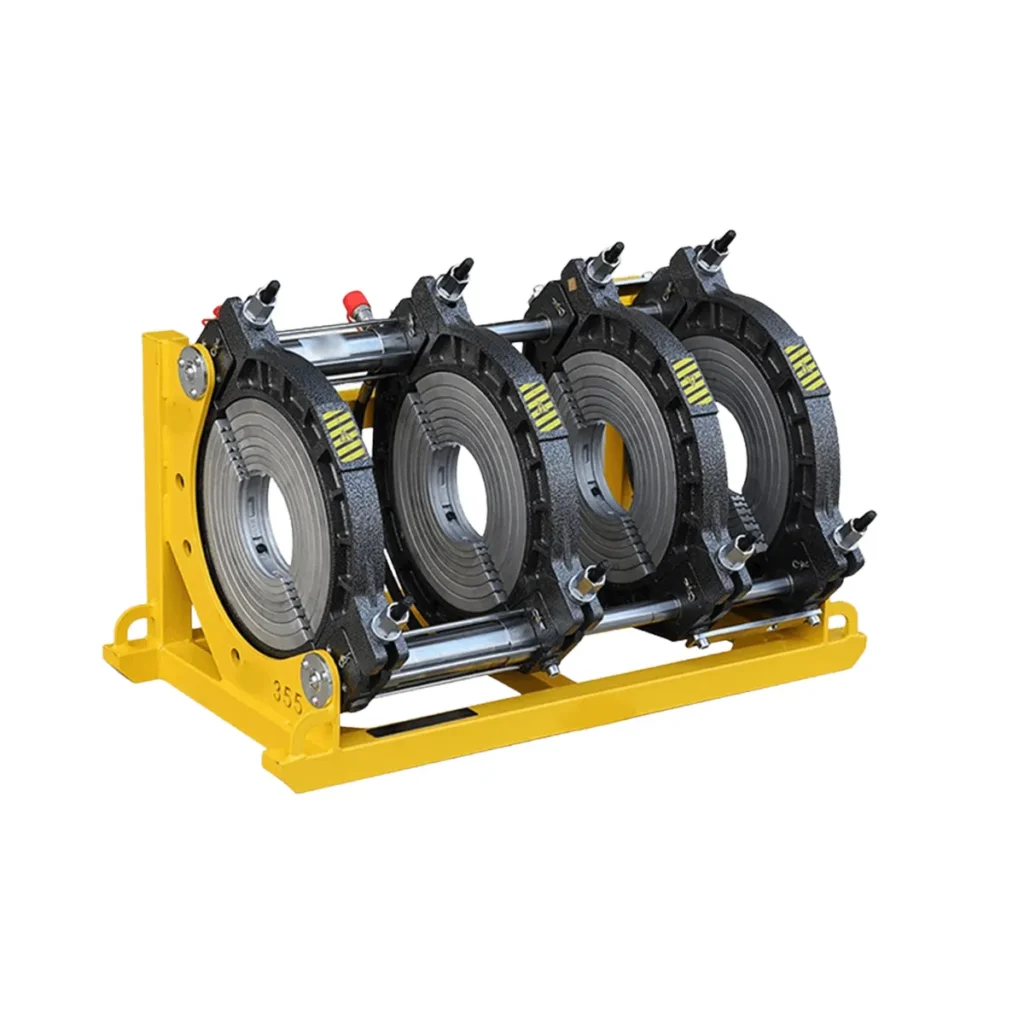
Looking for a reliable poly pipe welder maker in Ethiopia? Whether you are working on municipal water projects in Addis Ababa, rural irrigation schemes in the Oromia region, or gas distribution networks near industrial hubs, choosing the right HDPE welding equipment makes all the difference. This guide explains where to find dependable suppliers, what to look for locally, and how to evaluate machines for Ethiopian conditions.
Why a Local-Focused Supplier Matters for Ethiopia
Local climate, logistics, and workforce skills influence the performance of butt fusion and electrofusion welders. In Ethiopia, seasonal rains, remote job sites, and intermittent power supply mean you need robust machines that are easy to maintain, transportable, and supported by responsive service. Choosing a supplier familiar with Ethiopian projects reduces downtime and saves costs on shipping and repairs.
Common Welder Types Suitable for Ethiopian Projects
Different applications require different machines. Here are the most relevant types to consider:
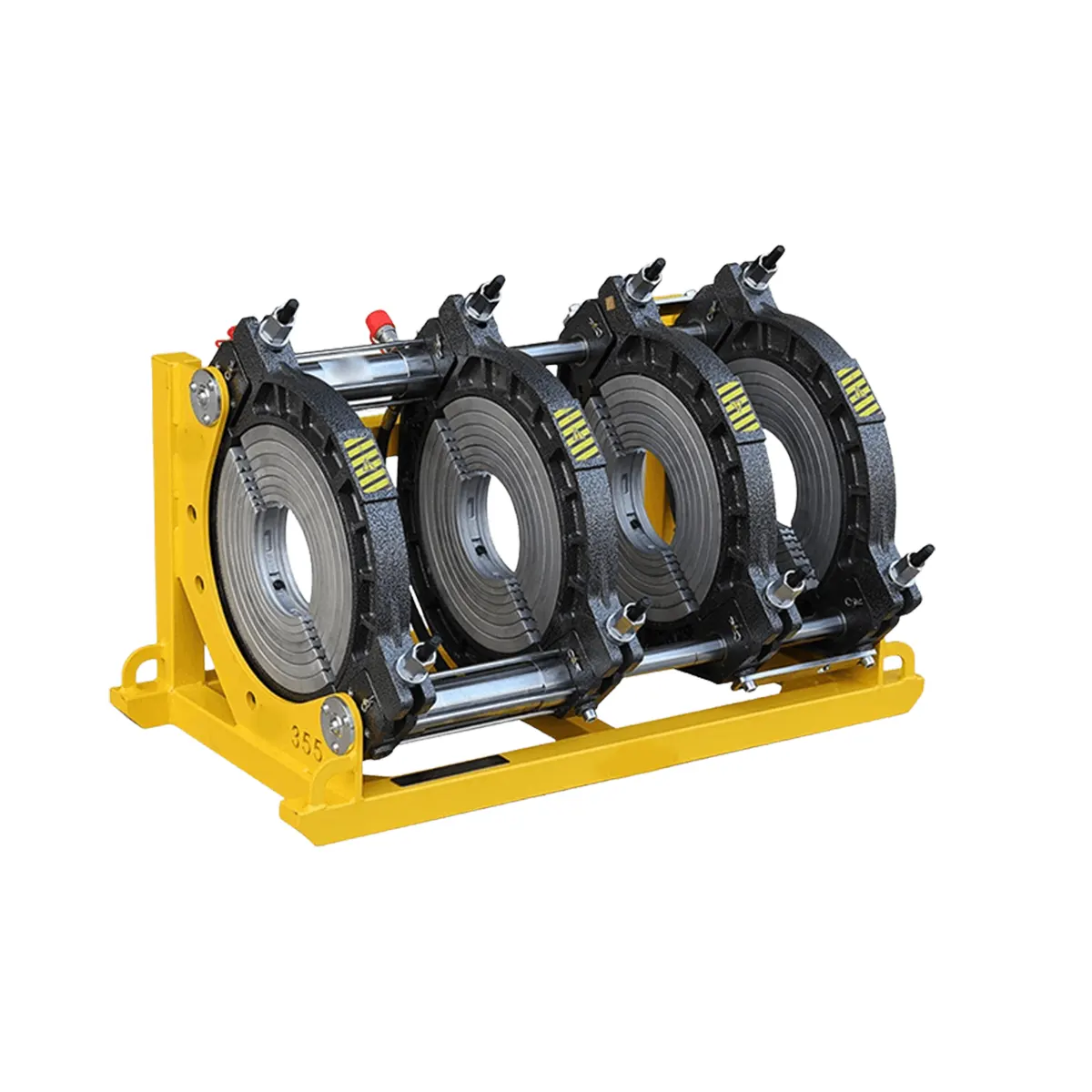
- Manual Butt Fusion Machines – Lightweight and ideal for small-diameter pipe repairs and rural teams.
- Hydraulic Butt Fusion Machines – Best for medium to large diameter lines used in urban water supply and industrial installations.
- Automatic/CNC Butt Fusion Machines – High precision for large infrastructure projects where repeatability is critical.
- Electrofusion Units – Useful for controlled fittings and when space or site conditions limit butt fusion setup.
Quick Comparison — Typical Models
| Model | Pipe Range | Type | Key Feature |
|---|---|---|---|
| Manual SY Series | 63–315 mm | Manual Butt Fusion | Portable, low-cost maintenance |
| JQH Hydraulic Range | 160–1000+ mm | Hydraulic Butt Fusion | High power, stable welds |
| JQA Automatic Series | 63–630 mm | Automatic Butt Fusion | CNC control, repeatable cycles |
What Ethiopian Buyers Should Prioritize
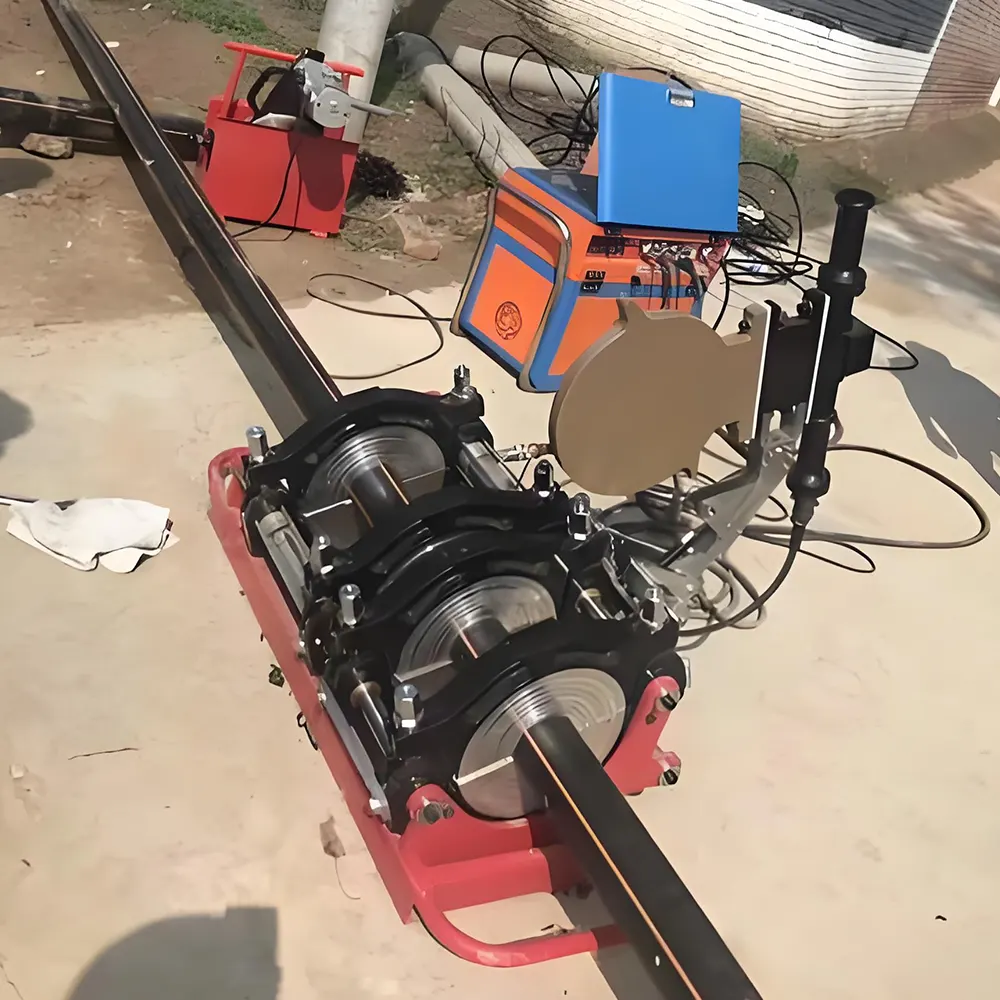
Durability and spare parts availability are top concerns. Look for machines with easily sourced consumables (heating elements, clamps), local training options for welders, and clear calibration procedures. For contractors and NGOs operating in remote areas, portability and simple hydraulic systems reduce field service needs.
Local Practical Tips
- Confirm voltage and power compatibility if you work with generators or unstable grids.
- Ask for a weld procedure qualification record (WPQR) or sample welds—this demonstrates quality control.
- Check delivery timelines considering Addis Ababa traffic and regional road conditions.
- Request operator training tailored to local crews and languages.
How to Find a Trustworthy Maker or Distributor
Search for suppliers who export to African projects, attend regional trade shows, or have distributors in the Horn of Africa. Verify certifications (CE, ISO), examine customer references from similar climates, and evaluate after-sales networks for spare parts and technical support.
Where to Start Your Search
- Local pipeline contractors and civil engineering firms — ask who they trust for welding machines.
- Regional suppliers and importers in Addis Ababa — they often stock common models and parts.
- Online catalogs showing specifications and video demonstrations — helpful for remote procurement.
Supplier Highlight
JQ-Fusion provides a wide range of HDPE butt fusion and electrofusion machines designed for global infrastructure projects and offers models suited to both small rural jobs and large urban pipelines. Visit their site for detailed specs and contact information: https://jq-fusionwelding.com/
Final Checklist Before Purchase
- Confirm pipe diameter range and chosen welding method (butt vs electrofusion).
- Verify available technical training and warranty terms.
- Plan for spare parts inventory for at least one year of fieldwork.
- Arrange sample weld tests or on-site demonstration if possible.
Choosing the right poly pipe welder maker in Ethiopia means balancing machine capability, local support, and logistical practicality. With the right questions and a clear procurement plan, contractors and project owners can secure reliable equipment that stands up to Ethiopian conditions and ensures long-term pipeline performance.



