
Sweden’s infrastructure projects demand durable, precise, and environmentally conscious solutions for plastic pipeline welding. This guide explains how modern HDPE and PE pipe welding equipment supports municipal water systems, district heating, gas distribution, and industrial piping in Sweden’s unique climate and regulatory environment.
Understanding Pipe Welding Needs in Sweden
Cold temperatures, sustainability targets, and strict safety standards shape the requirements for welding equipment across Sweden. Contractors and utility operators need machines that deliver repeatable butt fusion joints, resist thermal contraction, and minimize on-site waste. Machines must also be serviceable within Nordic territories and compatible with EN and ISO jointing specifications commonly referenced in Swedish projects.
Common Project Types
From municipal water mains to chemical-resistant industrial lines, Swedish projects often include trenchless installations, long-run PE mains for rural areas, and large-diameter collectors for stormwater. Welding equipment must therefore be flexible — supporting everything from 20 mm service pipes to >2000 mm main conduits.
Key Machine Types for Swedish Contractors
Selecting the right machine depends on automation needs, pipe diameter range, and mobility. Typical options include:
Manual Butt Fusion Machines
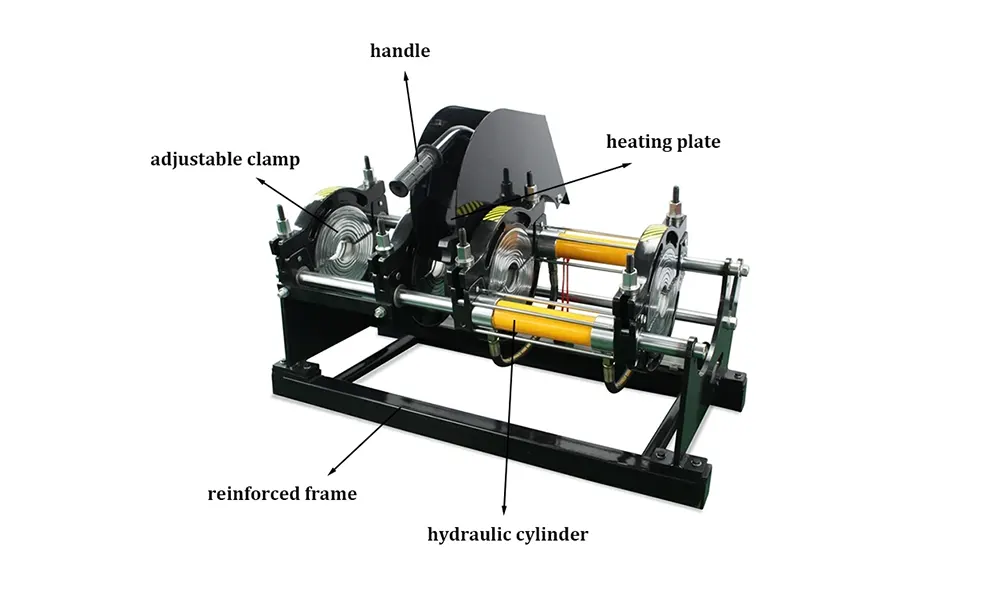
Portable and ideal for service connections and small-diameter repairs. Easy to transport across rural sites and compatible with manual skill-based workflows.
Hydraulic Butt Fusion Machines
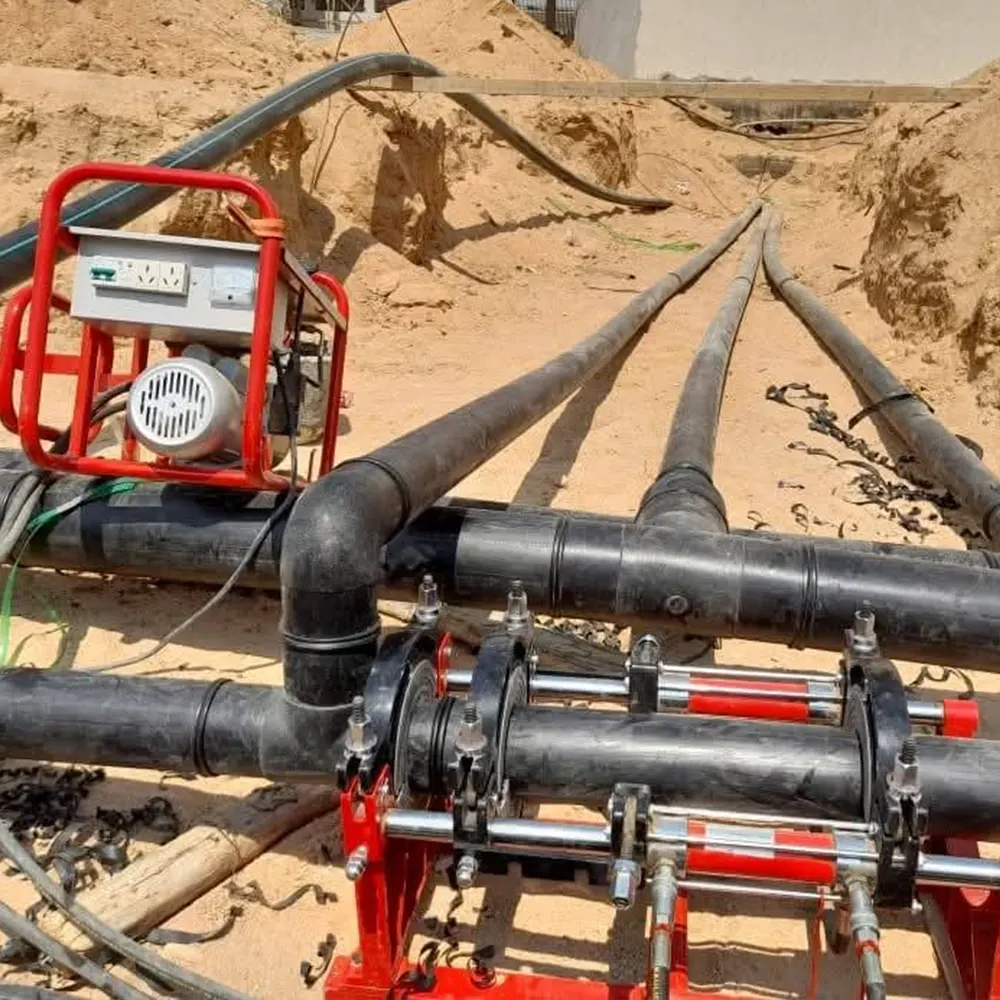
Stable clamping and higher force make these suitable for medium-to-large diameters used in water and gas distribution lines across municipalities and industry parks.
CNC Automatic and Controlled Machines
For precise, repeatable welds on production and large infrastructure projects. These reduce operator variability and often include traceable welding records for quality assurance and regulatory compliance.
Product Comparison at a Glance
| Model | Pipe Range | Automation | Typical Use |
|---|---|---|---|
| Manual Series | 20–315 mm | Manual | Service connections, repairs |
| Hydraulic Series | 63–2000 mm | Semi-auto | Municipal mains, gas distribution |
| CNC Automatic | 90–1600 mm+ | Fully automated | Large infrastructure, factory welding |
Why Durability and Service Matter in Sweden
Swedish projects frequently operate in remote, wet, and cold environments. Machines must be corrosion-resistant, have reliable hydraulic systems, and be easy to maintain under field conditions. Local partners and timely spare parts reduce downtime and keep timelines on track for public works and private developments.
Environmental and Regulatory Considerations
Sustainability is central to Swedish procurement. Energy-efficient heating plates, recyclable components, and machines that minimize scrap are preferred. Also, ensure welding procedures align with EN 12201 (water piping systems) and other applicable Nordic standards to streamline approvals.
Maintenance, Training & On-Site Support
Provide operator training focused on cold-weather best practices, inspection routines, and preventive maintenance. Portable test tools and documented welding logs help demonstrate compliance during handovers to municipalities or utility operators.
Choosing a Supplier
Seek a manufacturer that offers a full portfolio — manual, hydraulic, and CNC options — plus documented quality control and spare parts availability in Europe. For inquiries and tailored equipment recommendations, visit JQ-Fusion.



