
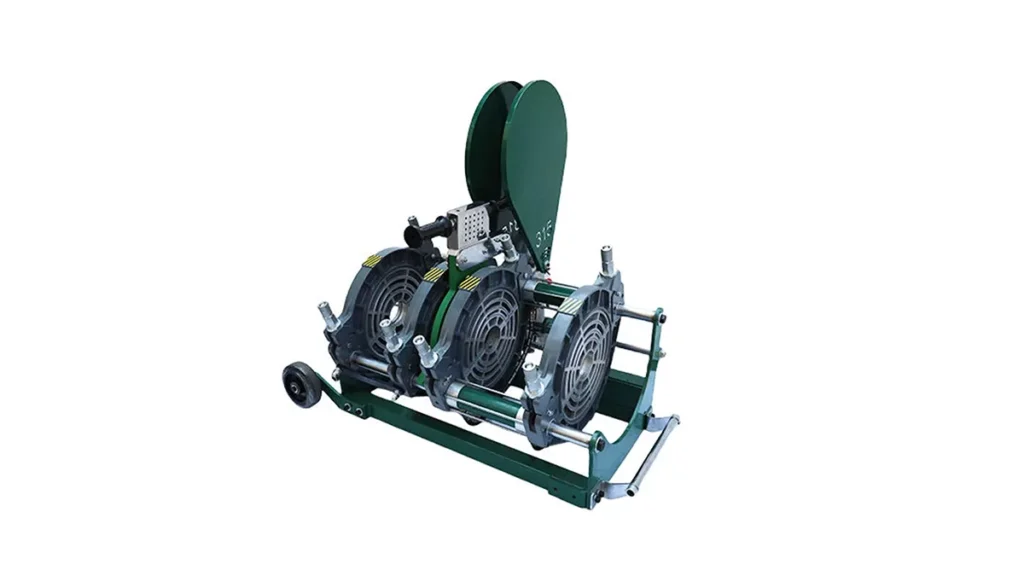
Choosing the right pipe welding machine factory can determine the success of large infrastructure projects, municipal works, and industrial installations. This guide helps procurement managers, pipeline contractors, and engineering teams evaluate global suppliers and select reliable butt fusion, electrofusion, and multi-angle welding solutions for HDPE and other thermoplastic pipelines.
Why Supplier Quality Matters for Pipe Welding Equipment
Durability, repeatability, and safety are core requirements for welding machines used on water supply, gas distribution, mining, and industrial pipeline projects. Machines that deliver consistent heating, precise alignment, and reliable pressure control reduce rework and extend pipeline life. Procurement professionals should prioritize suppliers with robust manufacturing controls, clear calibration procedures, and a documented traceability system for critical parts.
Core Product Categories to Compare
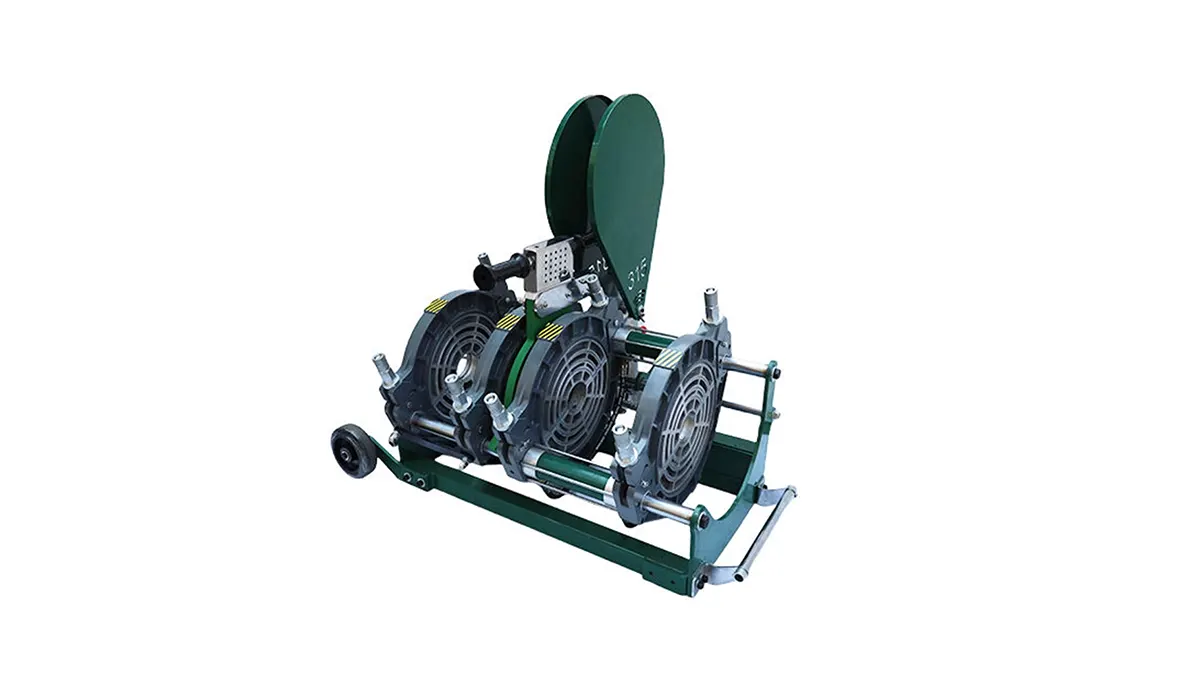
Manual, hydraulic, and CNC automatic butt fusion machines each address different site needs. Electrofusion units and multi-angle fitting machines are essential for complex fittings and automated networks. Below is a quick reference for common choices.
| Machine Type | Typical Pipe Range | Key Benefits |
|---|---|---|
| Manual Butt Fusion | 20–400 mm | Simple, low-cost, ideal for small jobs and remote sites |
| Hydraulic Butt Fusion | 63–2250 mm | High force, stable clamps, suited for larger diameters |
| Automatic / CNC | 63–1250 mm+ | Precision, documentation, minimal operator variance |
| Electrofusion | Couplers & fittings | Clean, fast joints for service connections and repairs |
| Multi-Angle Fitting Machines | Varies by model | Efficient prefabrication of tees, elbows, and saddles |
Applications Across Sectors and Regions
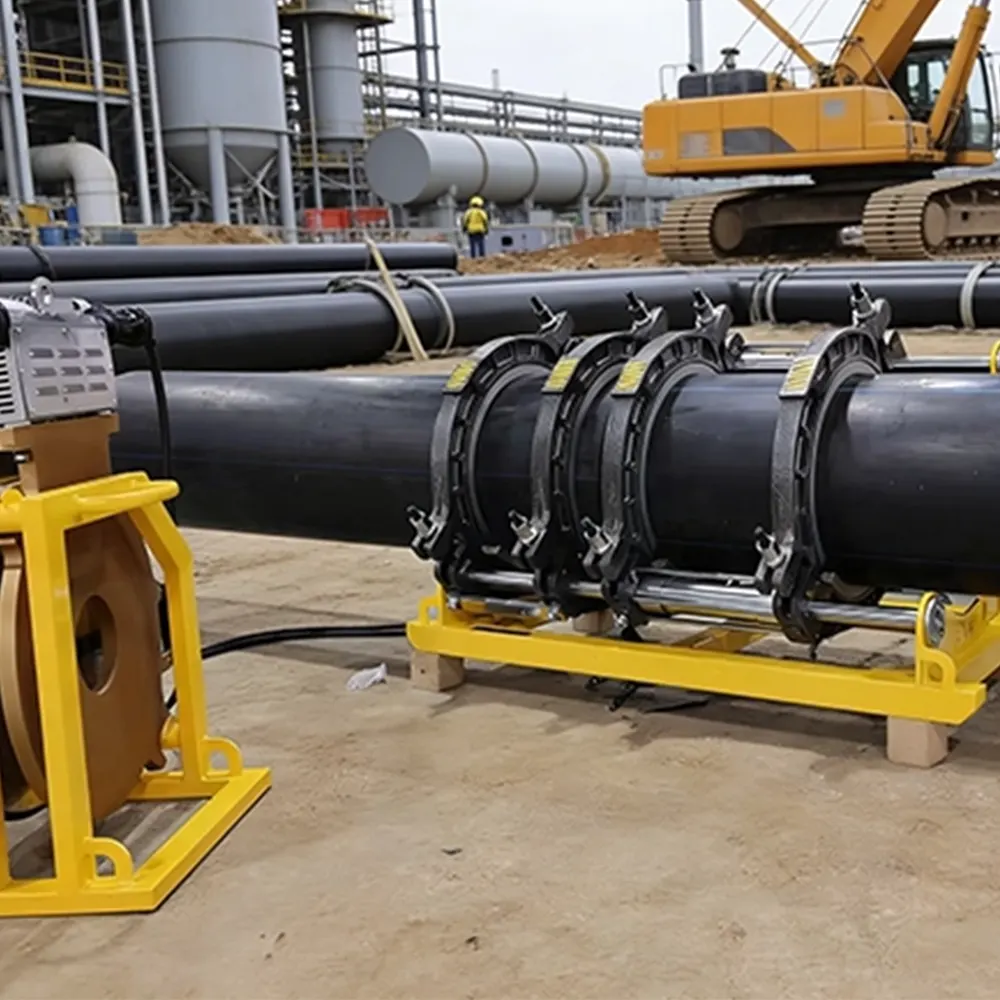
Different regions emphasize different needs: European utilities often require certified traceable weld records and GPS-linked documentation; North American contractors expect rugged equipment with local service options; African and Southeast Asian projects prioritize portability, value, and ease of maintenance for remote deployments; mining and oil & gas clients need high-capacity hydraulic machines for heavy-duty lines. Local installers, municipal engineers, and rural contractors all benefit from clear training materials and spare-parts availability.
Key Evaluation Checklist for Global Buyers
Quality Certifications: Look for ISO manufacturing credentials and product compliance with local standards (e.g., ASTM, EN, AS).
Warranty & After-Sales: Confirm spare parts lead time, on-site support options, and training programs for operators.
Customization & Scalability: Ensure the factory can adapt fixtures, clamp sizes, and control software to your project specifications.
Documentation & Traceability: Digital welding logs and QA reports reduce risk during inspections and handovers.
Tips to Reduce Risk When Importing Welding Machines
Request factory acceptance photos and videos, ask for sample weld records, and confirm electrical/software compatibility with your region. For remote installations, prioritize suppliers that provide clear maintenance kits and training videos in accessible formats.
Procurement Terms to Negotiate
Negotiate spare-part kits, initial operator training, extended warranty options, and delivery milestones. For large orders, discuss staged shipments and on-site commissioning support to accelerate deployment.
About the Manufacturer
JQ-Fusion is a professional manufacturer specializing in HDPE pipe welding machines, providing reliable butt fusion solutions for global infrastructure projects. With years of industry experience, they focus on manual, hydraulic, and CNC automatic butt fusion welding machines that cover a wide range of pipe sizes used in water supply, gas distribution, mining, and industrial pipeline systems. The factory emphasizes durable, customizable equipment, strict quality control, and responsive service to support distributors and contractors worldwide.
Final Selection Guidance
Match machine capacity to your maximum pipe diameter, verify local support, and insist on documented weld procedures. Prioritizing suppliers that balance proven engineering with field-level service will keep projects on schedule and reduce lifecycle costs.
For detailed product catalogs and factory capabilities, visit: https://jq-fusionwelding.com/



