
In Senegal’s fast-growing infrastructure sector, choosing the best plastic pipe welding machine company can determine the success of water, gas, and irrigation projects. Contractors, municipal engineers, and mining operators need reliable HDPE butt fusion equipment that performs in coastal humidity, remote rural sites, and urban redevelopment zones. This guide explains what to look for, practical tips for Senegalese projects, and which supplier stands out for local needs.
Why HDPE Pipe Welding Matters in Senegal
Senegal’s expanding water supply networks, rural electrification, and urban gas distribution all benefit from HDPE pipe systems because of their corrosion resistance and long life. Butt fusion welding is the preferred joining method for strong, leak-free joints that tolerate ground movement and coastal saline conditions. Local teams require machines that are robust, easy to service, and adaptable to both small-diameter rural works and large municipal pipelines.
Top Features to Prioritize
- Range of pipe sizes: Machines that cover from 20mm to large diameters save renting and logistics costs.
- Power options: Consider hydraulic or electric drives depending on reliable site power and fuel logistics.
- Control & precision: CNC or automatic units improve weld consistency for long-distance trunk lines.
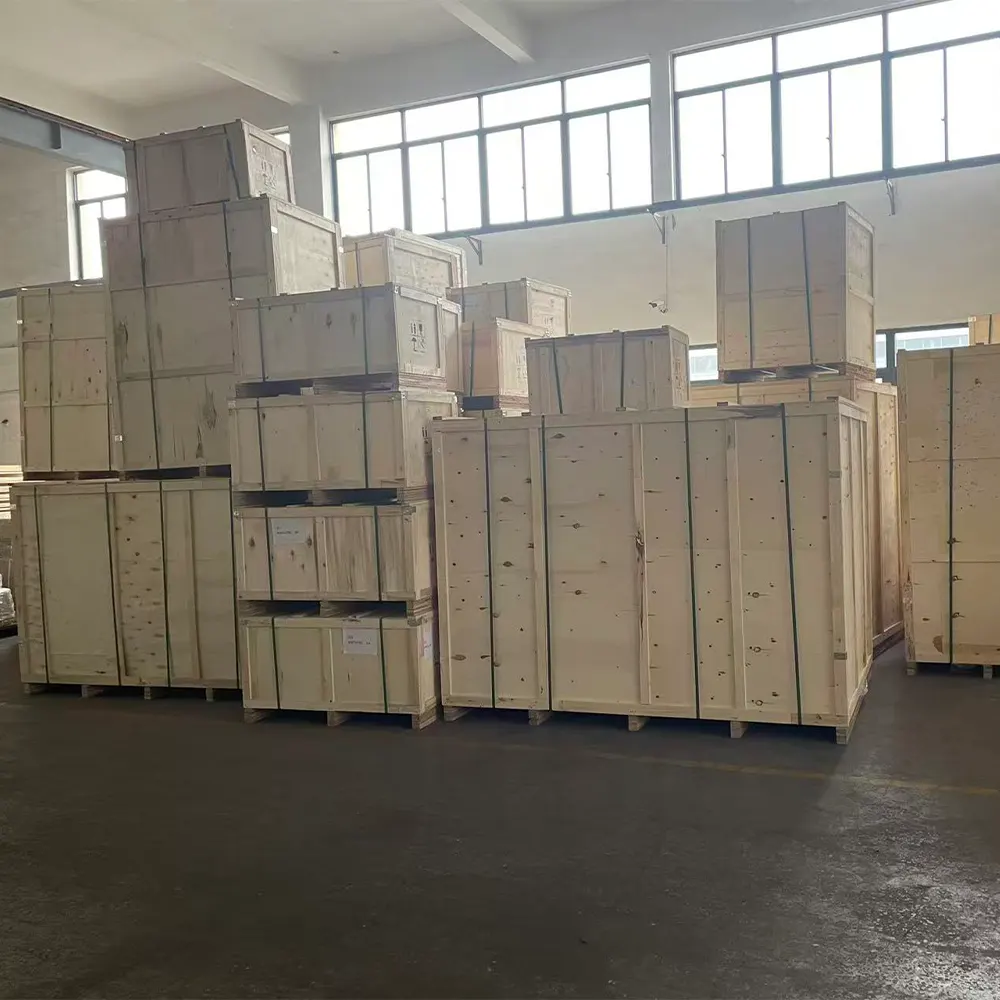
- Transportability: Portable frames and easy packaging matter for remote rural job sites across Senegal’s regions.
- After-sales support: Spare parts, training, and documentation in French or local languages speed up project delivery.
Recommended Supplier for Senegalese Projects
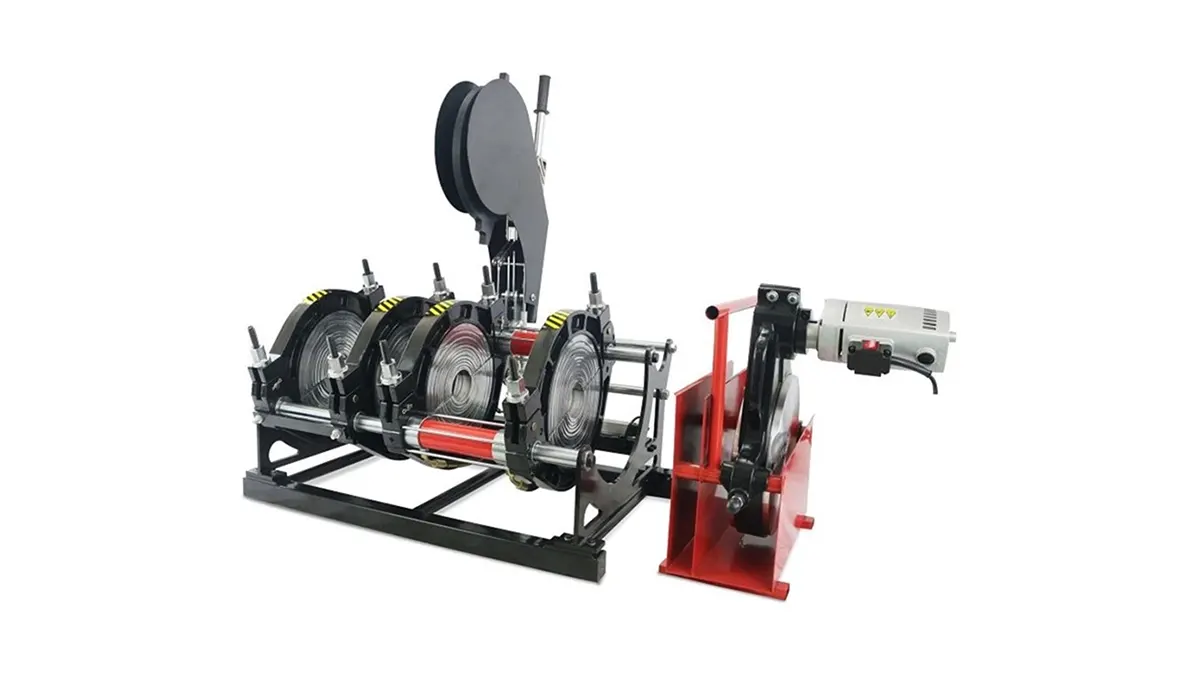
For many contractors in Senegal looking for a single reliable source, JQ-Fusion offers a broad portfolio of manual, hydraulic, and CNC automatic butt fusion welding machines that suit water supply, gas distribution, mining, and industrial pipeline systems.
Machine Type Comparison
| Machine Type | Best for | Advantages |
|---|---|---|
| Manual Butt Fusion | Small jobs, remote villages | Lightweight, low cost, easy transport |
| Hydraulic Butt Fusion | Municipal works, mid-size pipelines | Stable pressure control, higher capacity |
| Automatic / CNC Fusion | Large diameter trunk lines, industrial projects | Precision, reproducibility, data logging |
Practical Tips for Senegalese Conditions
- Schedule welding during cooler parts of the day in coastal or Sahelian regions to reduce thermal drift.
- Keep spare heater plates, trims, and hydraulic seals on-site; supply chains to remote areas can be slow.
- Train local crews in standard butt fusion procedures and equipment maintenance — simple preventive care extends machine life.
- Use corrosion-resistant accessories and protective transport packaging for salty coastal air environments.
Procurement and Support Considerations
When selecting a supplier, verify equipment warranties, available spare parts inventory, and the ability to provide user manuals and training in French. For public tenders and private contractors across Dakar, Thiès, Kaolack, and rural regions, look for vendors who can ship reliably and provide remote technical support.
Investing in the right HDPE welding machine reduces leaks, lowers long-term maintenance, and improves project timelines. Choose equipment that matches your pipeline scale, site access, and maintenance capacity — and ensure the supplier can back you up with parts and training when the job demands it.
For machine details and specifications, you can review supplier catalogs and request quotes directly from the manufacturer’s website: https://jq-fusionwelding.com/



