
Qatar’s rapid infrastructure expansion—from municipal water networks and irrigation systems to large-scale industrial and energy projects—demands reliable pipeline welding solutions that withstand hot, arid conditions and heavy operational loads. JQ-Fusion – https://jq-fusionwelding.com/ is a professional manufacturer specializing in HDPE pipe welding machines and butt fusion systems designed for such demanding environments.
Why HDPE Butt Fusion Matters for Qatar Projects
HDPE piping has become the preferred material across Qatar’s construction, water, and gas sectors because it offers excellent corrosion resistance, flexibility under thermal stress, and long service life. These characteristics are especially important in Qatar where high ambient temperatures, saline groundwater near coastal works, and desert conditions accelerate wear on traditional materials.
Contractors, utilities, and EPC firms benefit from butt fusion welding because it creates homogeneous, leak-free joints—critical for potable water, district cooling, gas distribution, and oilfield service lines. The fusion process also reduces maintenance costs and downtime over the lifetime of the network.
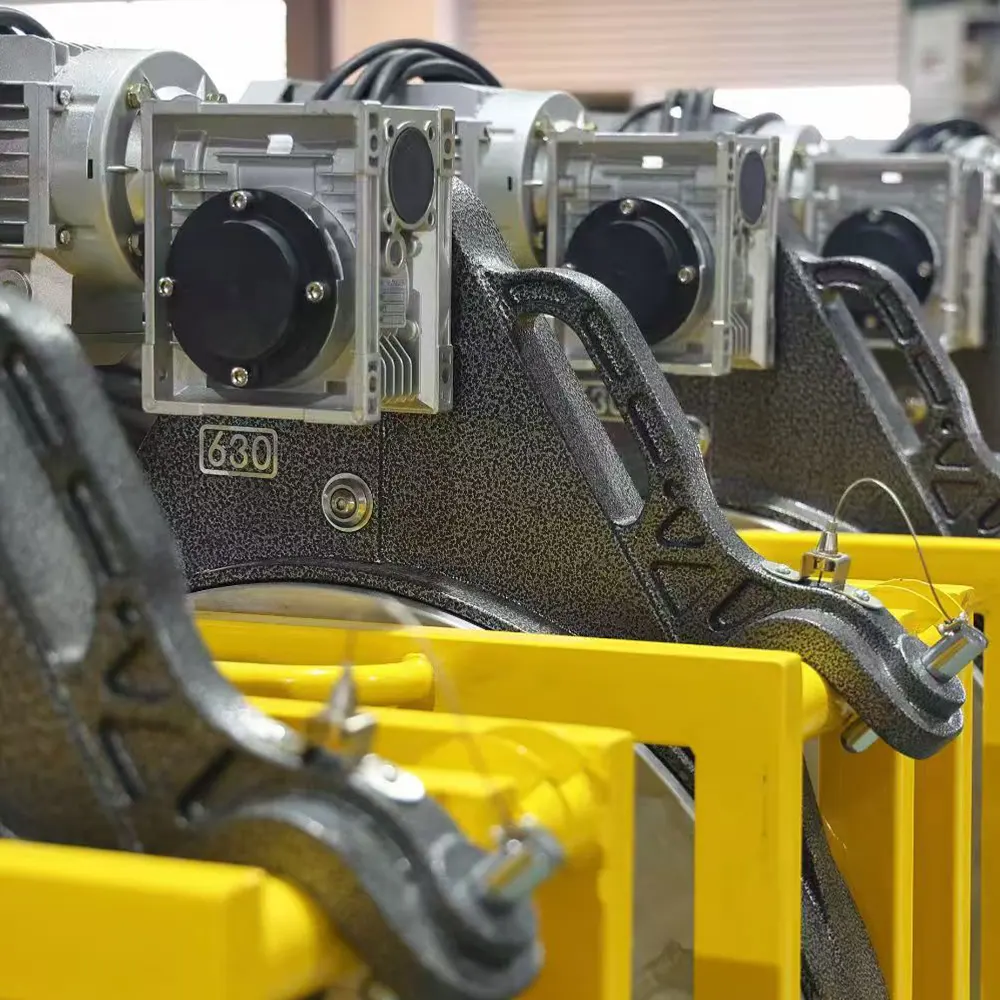
Product Range: Manual, Hydraulic and Automatic Solutions
To meet diverse project scales in Qatar—from small urban repairs to large-diameter trunklines—there are three main butt fusion machine categories available:
- Manual machines – compact and portable for on-site repairs and tight-access jobs;
- Hydraulic machines – robust units for heavier duty and larger diameter pipes;
- CNC/Automatic systems – precision-controlled fusion for high-volume production and valuable pipeline sections.
| Machine Type | Pipe Range | Ideal Use | Key Benefit |
|---|---|---|---|
| Manual Butt Fusion | 20mm–400mm | Repairs, service lines, small projects | Lightweight, easy transport |
| Hydraulic Butt Fusion | 90mm–2250mm | Trunk mains, industrial pipelines | High clamping force, stable alignment |
| CNC/Automatic | 63mm–1600mm+ | High-volume manufacturing, critical joints | Repeatable precision, programmable cycles |
Key Technical Features for Qatar Applications
When specifying welding equipment for local projects, prioritize:
- Temperature-resilient components (seals, hydraulics, and electronics rated for high ambient heat);
- Robust clamping systems for maintaining alignment under windy or sandy conditions;
- Portable power options for remote sites and off-grid operations;
- Digital control and data logging to document joint quality for regulatory or asset management purposes.
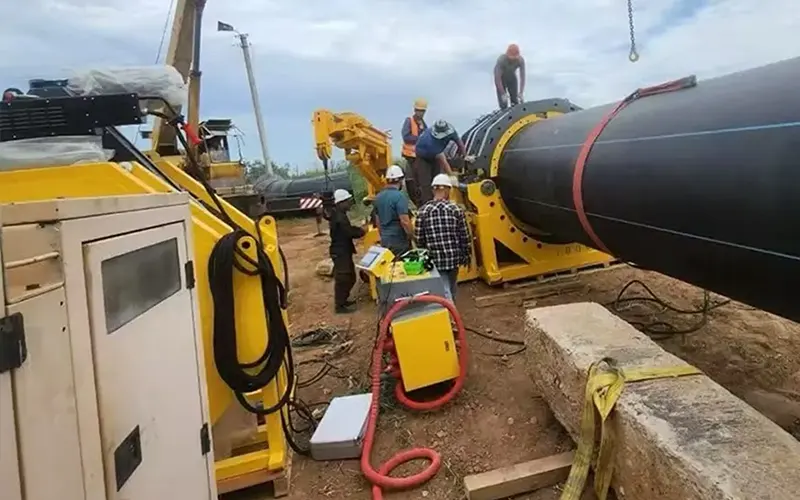
Local Support, Training and Logistics Considerations
Successful pipeline projects in Qatar depend not only on equipment quality but also on local support. Look for suppliers and manufacturers who can provide:
- On-site or remote operator training tailored to HDPE fusion standards;
- Spare parts and consumables with timely shipping to ports such as Hamad Port;
- Maintenance guidance for equipment operating in sandy, high-temperature environments;
- Documentation and certification to satisfy municipal and industrial inspectors.
How to Choose the Right Fusion Machine for Your Project
Match machine capabilities to your project priorities: portability and low cost for small civil works, higher clamping force and power for large-diameter mains, and CNC automation when consistency and traceability are essential. For oil, gas, desalination, and municipal water tasks in Qatar, prioritizing joint integrity and operator training will reduce long-term costs and operational risks.
For technical specifications, delivery options, and customization for Gulf conditions, contact the manufacturer via their website or request a quotation to evaluate model fit for your next pipeline program.



