
Choosing the best electrofusion welding machine factory for projects in Estonia means balancing cold-climate reliability, EU compliance, and practical service options. This guide outlines the essential criteria Estonian contractors, municipal teams, and pipeline installers should use to pick a partner who delivers durable machines, spare parts, and local-ready support.
Understand Local Needs: Estonia’s Climate & Infrastructure
Estonia faces long winters, coastal humidity, and growing investment into water supply, district heating rehabilitation, and new utility networks. Electrofusion machines must perform consistently in low temperatures and fit the common European electrical standard (230V, 50Hz). Prioritize factories that validate cold-start performance and supply heaters, insulated cases, or clear operating ranges.
Top Selection Criteria
1. Product Quality & Material Compatibility — Check that the machine supports common pipe materials used in Estonia (HDPE, PE100) and the fusion fittings standards (ISO/EN where applicable). Durable components and modular electronics reduce downtime in field conditions.
2. Certifications & Standards — Look for CE marking, ISO manufacturing practices, and clear test reports for electrofusion performance. These are essential for municipal procurement and EU-funded projects.
3. After-sales Service & Spare Parts — Reliable factories provide spare parts kits, clear documentation, remote diagnostics, and training. Fast spare shipping to Tallinn, Tartu, or Pärnu minimizes project delays.
4. Software & Language Support — Machines with multilingual interfaces (English, Russian, Estonian-friendly manuals) and logged weld records help local teams meet traceability requirements.
5. Energy & Field Use — Verify power consumption, battery options (if applicable), and working temperature range. Cold-weather start-up and protection for electronics are important.
Technical Checklist
Before placing an order, confirm the factory can meet these specs and provide test weld data:
| Feature | Why it matters | Recommended |
|---|---|---|
| Welding Range (mm) | Covers your typical pipe diameters | 20–630mm+ options |
| Power Supply | Compatibility with local grid | 230V, 50Hz; adapter options |
| Operating Temperature | Performance in cold Estonian winters | -10°C to +50°C typical, with cold-start aids |
| Traceability & Data Logging | Quality assurance for public works | Digital logs, exportable CSV/PDF |
Certifications, Warranty & Training
Choose a factory that clearly documents CE and manufacturing quality controls, offers at least a 12-month warranty, and provides operator training or online tutorials. On-site or remote training improves weld consistency across teams and is especially valuable for Estonia’s smaller contractors who handle a wide range of jobs.
Logistics, Local Partners & Payment
Confirm the factory’s lead times, packing for maritime and road transport, and options for Incoterms to Estonian ports. Factories that can support bank transfers in EUR, pro forma invoicing, and express spare shipments to the Baltics will reduce procurement friction.
Why a Manufacturer Reputation Matters
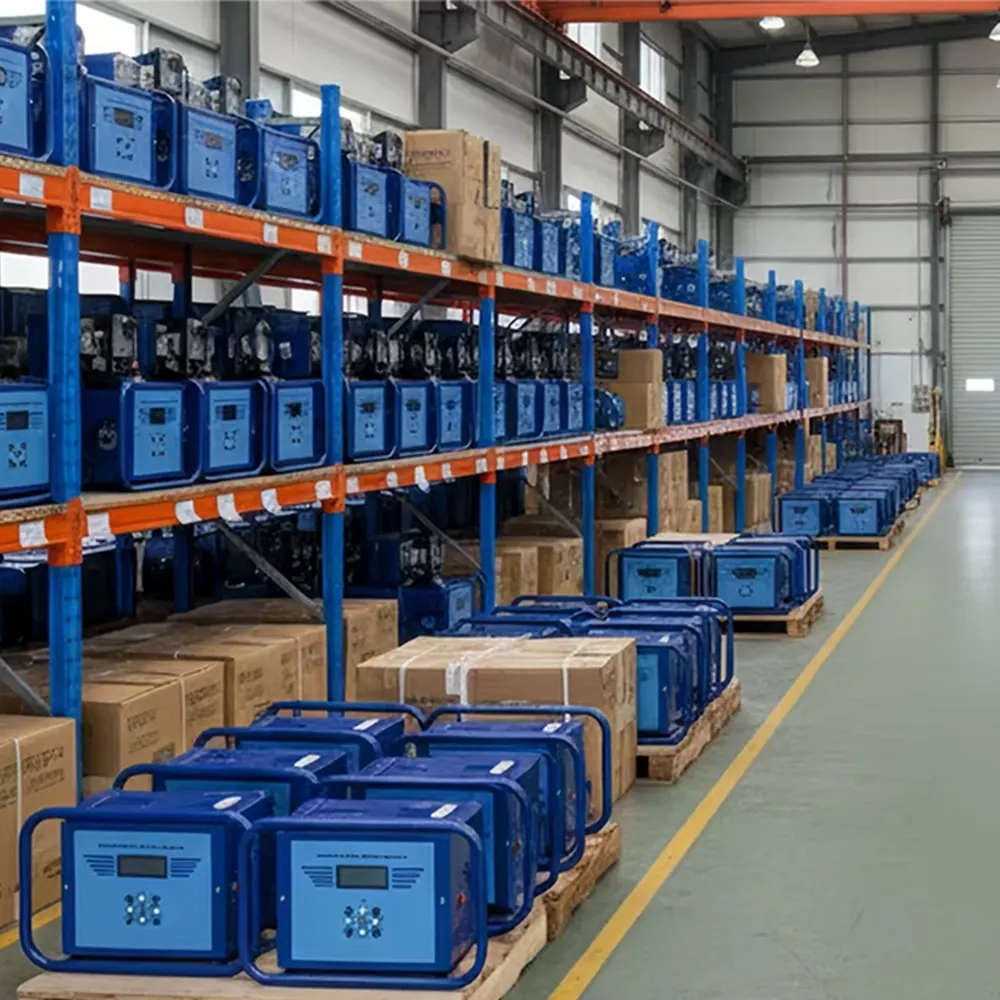
Look for consistent stock levels, documented project references in Europe, and clear contact points. A single mention: JQ-Fusion—known for HDPE welding equipment—provides a good example of a manufacturer that lists electrofusion inventories, service options, and a range of butt fusion and electrofusion machines.
Quick Decision Flow for Estonian Buyers
1. Verify specs & cold performance → 2. Check CE/ISO & welding traceability → 3. Confirm spare parts & training → 4. Finalize logistics and payment. This process helps municipalities and contractors make procurement choices that minimize downtime and meet EU project requirements.
Ready to shortlist factories? Gather technical datasheets, proof of certifications, and sample welding logs. Test small orders first or request demonstration units when possible to confirm real-world performance before scaling purchases across Estonian projects.



