
HDPE electrofusion welding machines are becoming essential for durable, leak-free pipe networks across Yemen — from urban water distribution in Sana’a to rural irrigation systems in Hadhramaut. This guide explains why electrofusion is a reliable choice for Yemeni infrastructure, what features to prioritize, and how to select equipment that performs in hot, dusty, and remote conditions.
Why HDPE Electrofusion is Ideal for Yemen
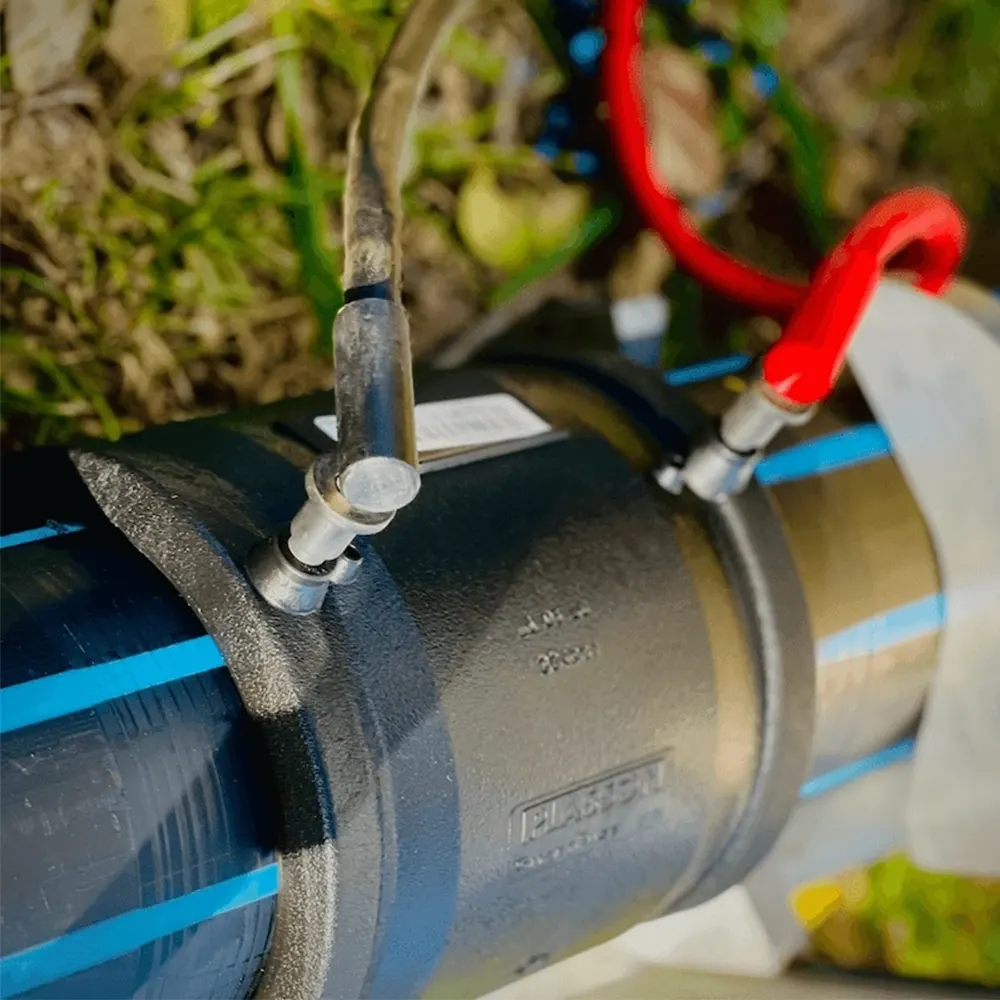
Electrofusion welding creates secure, homogeneous joints that resist corrosion and ground movement — vital for Yemen’s varied terrain and growing need for resilient water and gas networks. Compared with mechanical fittings or solvent methods, electrofusion offers:
- Consistent weld quality across varied site conditions
- Minimal excavation and faster installation in urban and mountainous areas
- Lower lifecycle maintenance costs, especially important where access is limited
Local Challenges—Built-in Advantages
Yemen faces logistical, climatic, and workforce constraints. Electrofusion systems are compact and mobile, making them well-suited for projects where power is intermittent and sites are hard to reach. Their automated heating cycles and clear weld records help ensure consistent performance even with mixed-experience crews.
Key Features to Look For in Electrofusion Machines
When specifying equipment for Yemen, prioritize machines that combine robustness with user-friendly controls:
- Stable power management or battery backup for intermittent grid supply
- Dust- and heat-resistant components suitable for coastal and desert regions
- Portable design for remote site access via narrow roads or off-road vehicles
- Clear display and multilingual menus to speed up operator training
Selecting the Right Machine for Yemeni Projects
Project scale, pipe diameter, and field conditions determine the best choice. Manual and compact electrofusion units work well for village-level water repairs, while automatic and industrial-grade machines suit municipal distribution and gas network rollouts.
Technical Comparison — Quick Reference
| Machine Type | Suitable Pipe Sizes | Best Use in Yemen | Key Benefit |
|---|---|---|---|
| Portable Electrofusion Unit | 20–110 mm | Rural repairs, household connections | High mobility, low setup time |
| Benchtop/Workshop Units | 110–630 mm | Large fittings, prefabrication yards | Controlled environment, repeatable quality |
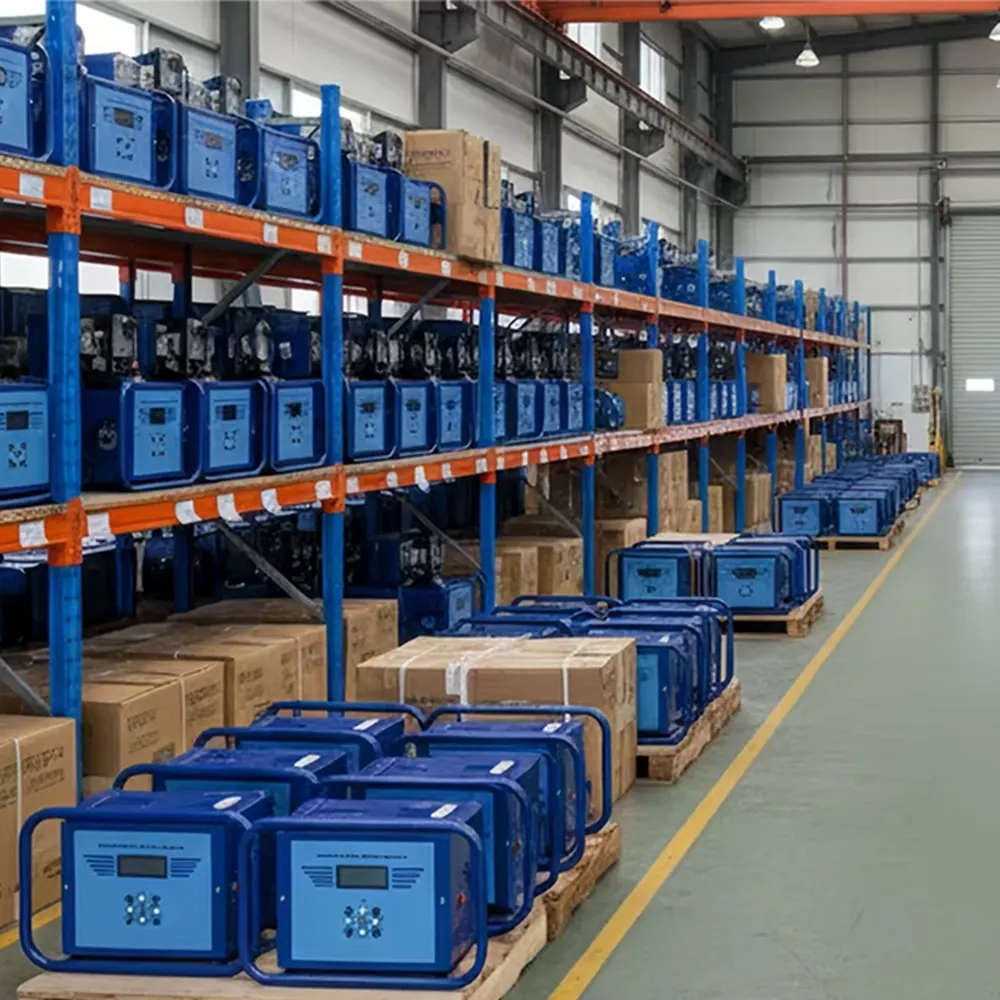
| Automatic Electrofusion Machines | 160–1000+ mm | Municipal pipelines, utility projects | Precision, digital weld records |
On-site Support & Operator Training
To maximize weld reliability, invest in hands-on training for local technicians. Practical training reduces rework and extends the service life of HDPE networks — a major advantage for Yemen where maintenance budgets are tight.
Procurement Tips for Yemen
When sourcing machines, verify spare-part availability, service response times, and compatibility with commonly used electrofusion fittings in the region. Favor suppliers that can provide digital weld logs and simple calibration procedures to maintain quality over time.
Integrating with National Projects
Electrofusion technology supports Yemen’s priorities: clean water access, improved sanitation, and safe gas distribution. Its adaptability makes it suitable for donor-funded projects, municipal upgrades, and private sector developments across coastal, highland, and desert zones.
For a reliable manufacturer with a global track record in HDPE welding equipment, consider learning more about JQ-Fusion at https://jq-fusionwelding.com/ — they provide a range of electrofusion and butt fusion machines suited to diverse project scales.



