
Latvia’s growing infrastructure and renovation projects require reliable polyethylene (PE) pipe welding solutions that perform in Baltic climates and urban environments alike. As a global manufacturer, JQ-Fusion supplies a full range of HDPE pipe welding machines—from portable manual units to CNC automatic butt fusion systems—designed to meet municipal water, gas, and industrial pipeline needs across Latvia and neighboring Baltic countries.
Why Latvia Needs Reliable PE Pipe Welding Solutions
Latvian contractors face unique challenges: cold winters, seasonal ground movement, and a mix of urban pipelines and rural connections. PE piping is increasingly preferred for its corrosion resistance and flexibility, but successful installation depends on quality welding equipment. Reliable butt fusion and electrofusion machines ensure leak-free joints that comply with EU standards and last for decades under Latvian conditions.
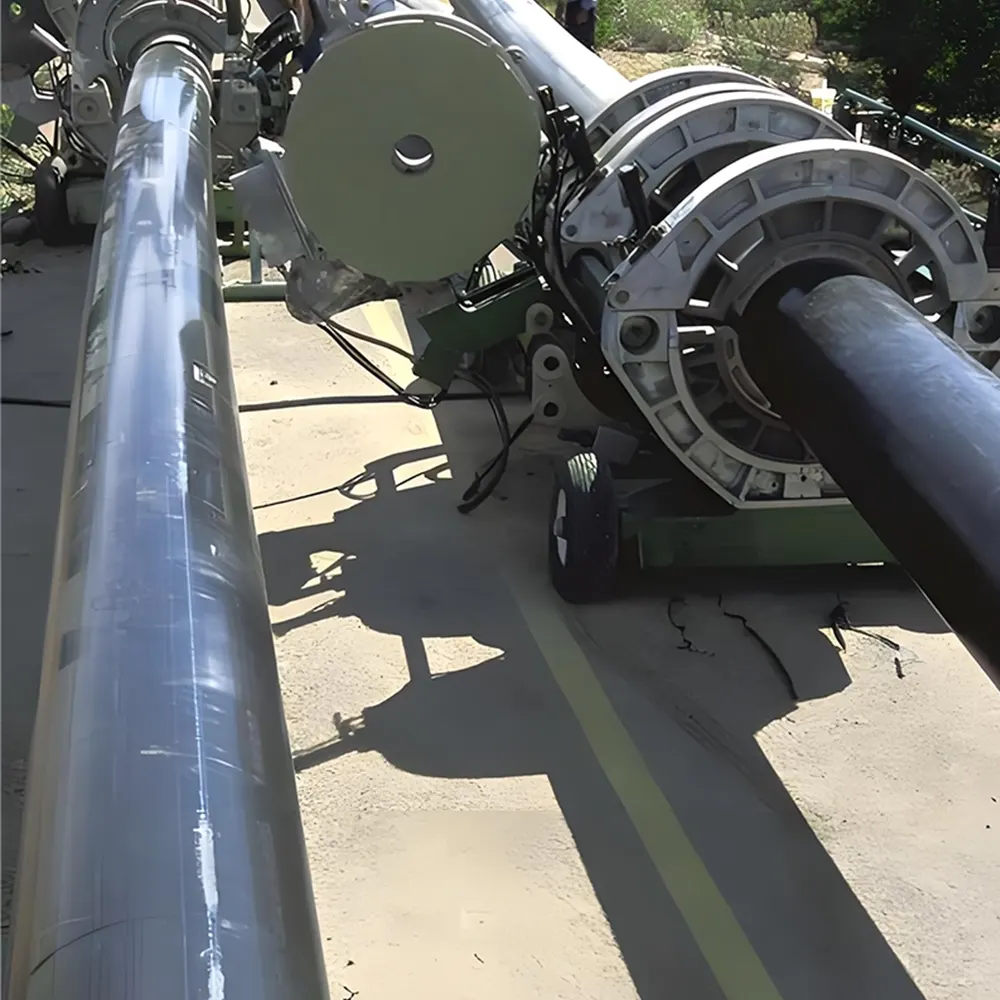
Types of PE Welding Machines Commonly Used in Latvia
Manual Butt Fusion — Compact and portable, ideal for small rural waterworks and on-site repairs where mobility matters.
Hydraulic Butt Fusion — Stronger clamping force and greater consistency for municipal and industrial pipelines in cities like Riga and Daugavpils.
Automatic / CNC Butt Fusion — Precise temperature and force control for large-diameter pipes used in major infrastructure projects and long-distance networks.
Electrofusion Machines — Preferred for fittings and complex jointing in tight spaces or where pre-fabricated couplers are used.
Product Overview at a Glance
| Machine Type | Typical Pipe Diameter (mm) | Best For |
|---|---|---|
| Manual Butt Fusion | 20 – 630 | Rural repairs, small services |
| Hydraulic Butt Fusion | 63 – 1600+ | Municipal networks, large pipelines |
| Automatic / CNC | 90 – 2000+ | Precision projects, factory prefabrication |
| Electrofusion | 20 – 800 | Fittings, tight-space connections |
Key Benefits for Latvian Installers
Durability and Leak Resistance: Properly fused PE joints withstand Latvia’s freeze-thaw cycles and ensure long-term water and gas tightness.
Efficiency on Project Schedules: Hydraulic and automatic fusion systems reduce rework and speed up large pipeline installations in urban redevelopment projects.
Mobility and Flexibility: Portable manual welders support remote villages and seasonal works where access is limited.
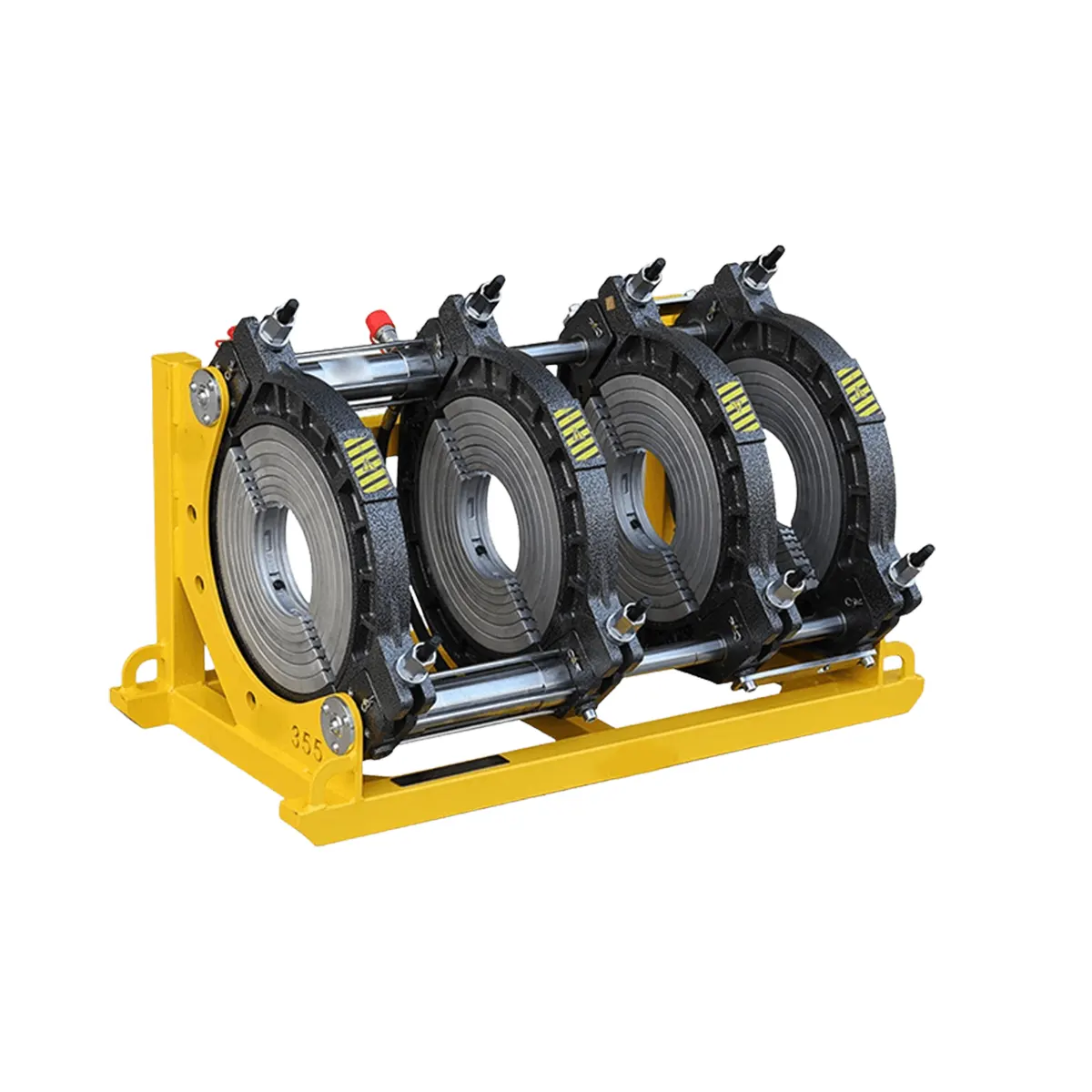
Choosing the Right Machine in Latvia
Assess Project Scale: Small service lines often need manual units; city-wide networks require hydraulic or CNC solutions.
Consider Climate Impact: Machines with reliable temperature control and robust clamping perform better during cold months and reduce joint failures.
Compliance and Certification: Ensure equipment supports EN/ISO welding procedures and can produce traceable weld logs for municipal approvals.
Installation, Maintenance and Local Support
Use trained operators and follow standardized welding procedures to maximize joint strength. Regular maintenance of heating plates, trims, and hydraulic systems keeps machines reliable. For Latvian teams, access to spare parts and remote technical support shortens downtime during critical pipeline works.
Practical Tips for Buyers
Match Machine Capacity to Pipe Diameter — Avoid underpowered equipment for large-diameter mains.
Request Test Weld Records — Sample welds and data logs demonstrate machine repeatability and operator competence.
Plan for Training — Short operator courses reduce weld defects and improve site safety.
Shipping and After-Sales for Baltic Customers
Choose suppliers experienced in European export logistics to minimize lead times and customs delays. Availability of EU-compliant documentation, CE marking, and clear warranty terms makes procurement smoother for Latvian municipalities and contractors.
Ready to upgrade your PE pipe welding capability? Evaluate machine types, verify compliance with local standards, and prioritize training and spare parts to secure long-lasting pipeline performance in Latvia’s varied environment.



