
Looking to buy electrofusion machines in Nigeria? This guide covers reliable suppliers, pricing ranges, selection criteria, and practical buying tips tailored for Nigerian contractors, utilities, and distributors working on water, gas, and industrial pipeline projects. Read on to learn how to choose the right equipment, estimate landed costs, and ensure long-term support for HDPE electrofusion installations across Nigeria’s urban and rural sites.
Why Electrofusion Matters in Nigeria
Electrofusion welding is widely used for joining HDPE pipes because it delivers leak-proof, durable connections that are ideal for water supply networks, gas distribution, and oil & gas applications. In Nigeria—where rapid urbanization, frequent infrastructure upgrades, and oil & gas activity drive demand—electrofusion offers consistent joint quality and fast onsite installation with minimal excavation.
Who in Nigeria benefits most?
Municipal water authorities, LPG/gas network installers, oil & gas contractors, mining operators, and civil engineering firms all benefit from electrofusion machines. Local distributors and fabrication shops also need compact, portable units for repairs and distribution networks in Lagos, Port Harcourt, Abuja, and remote states.
Typical Electrofusion Machine Types & Price Ranges
Prices vary by automation level, pipe diameter capability, and brand quality. Below is a practical price overview in USD and an approximate converted range to Nigerian Naira (NGN) for budgeting. Actual landed costs will increase with shipping, customs, and taxes.
| Model Type | Pipe Range (mm) | Typical FOB Price (USD) | Estimated Landed Price to Lagos (USD) |
|---|---|---|---|
| Portable/Handheld Electrofusion Unit | 20–110 | $600 – $1,800 | $900 – $2,400 |
| Bench / Semi-Automatic Electrofusion Machine | 63–315 | $1,500 – $5,000 | $2,200 – $6,600 |
| Automatic / CNC Electrofusion Systems | 160–1000+ | $6,000 – $25,000+ | $8,500 – $33,000+ |
Notes on pricing for Nigerian buyers
Expect import-related charges (customs duty, VAT, clearing fees) and inland transport to add roughly 20–40% to FOB prices depending on Incoterms and port handling. Allow extra budget for spare heating elements, electrofusion control modules, and calibration services.
How to Choose a Reliable Supplier
Selecting the right supplier minimizes downtime and ensures warranty support. Look for:
- Proven product quality: ISO 9001, CE certification, and clear technical documentation.
- After-sales support: local or regional partners, spare parts availability, and training for technicians.
- Clear warranties: defined warranty period and service terms for control units and weld heads.
- Compatibility: support for the electrofusion fittings brands used in Nigeria and ability to read fusion data and logs.
- Logistics & delivery options: FOB, CIF, or DAP quotes with realistic lead times (often 2–8 weeks).
Top supplier tip
Consider manufacturers that can supply both machines and consumables (heating coils, connectors, clamps) to reduce sourcing complexity. One reputable manufacturer to review is JQ-Fusion.
Buying Checklist for Nigerian Buyers
Before placing an order, verify the following items to avoid costly delays:
- Machine model, pipe diameter range, and required power supply (confirm compatibility with Nigerian voltages and generators).
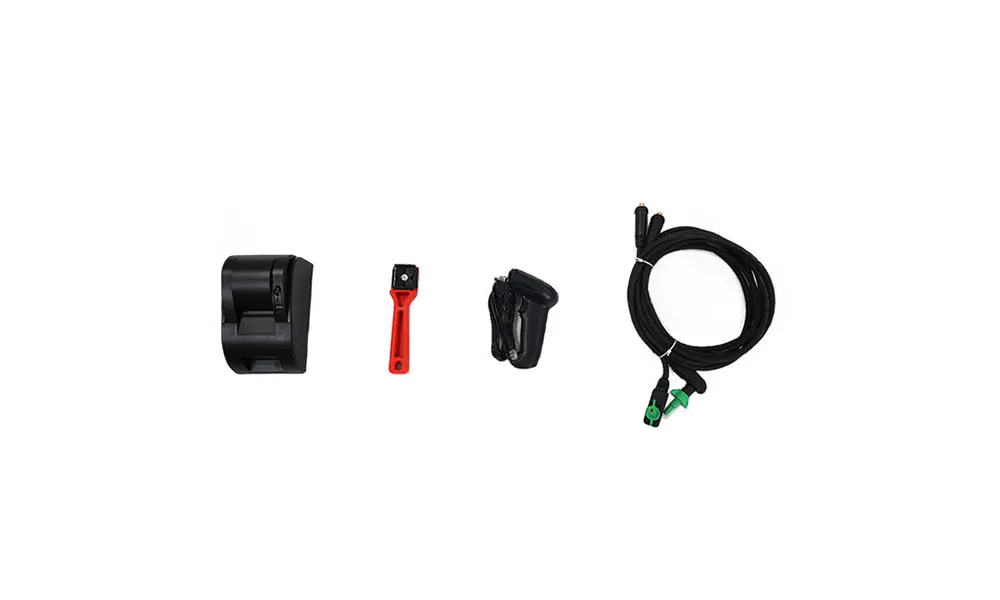
- Complete list of included accessories and optional extras (fusion computer, printer, spare batteries).
- Warranty terms, repair turnaround times, and availability of local service agents.
- Shipping Incoterms, estimated lead time, and whether the supplier provides CIF/DAP to Nigerian ports.
- Calibration certificates and software update policy for intelligent fusion control units.
- Training packages for operators—onsite training in Nigeria or virtual sessions.
Shipment, Payment & Import Advice
Preferred payment methods include T/T (30% deposit, balance on shipment), confirmed L/C for large orders, or negotiated supplier credit. Use experienced freight forwarders for handling Lagos or Port Harcourt clearance. Register expected HS codes and check duties with the Nigerian Customs Service; consult a customs broker early to speed clearance.
Local considerations
Because grid power can be unreliable in some regions, ask about machines that work with inverters or portable generators. For remote projects, stock additional consumables onsite—especially heating coils and connectors.
After-Sales Support & Field Service in Nigeria
Good after-sales service includes prompt spare parts delivery, remote troubleshooting, and operator training. Insist on:
- Clear contact channels for technical support and escalation procedures.
- Spare parts kits shipped with initial orders.
- Documentation in English and training manuals tailored to Nigerian field conditions.
Final buying tips
Test before you adopt: Request a demo video or sample weld data from the supplier. For large procurement, consider an on-site trial or pilot project to validate machine performance under local conditions. Keep records of fusion logs and training attendance for quality assurance and regulatory compliance.
Quick links & next steps
Evaluate suppliers, request detailed CIF quotes to your nearest Nigerian port, and plan for operator training and spare parts procurement. With the right electrofusion equipment and local support, Nigerian pipeline projects can achieve higher installation reliability and lower lifecycle costs.



