
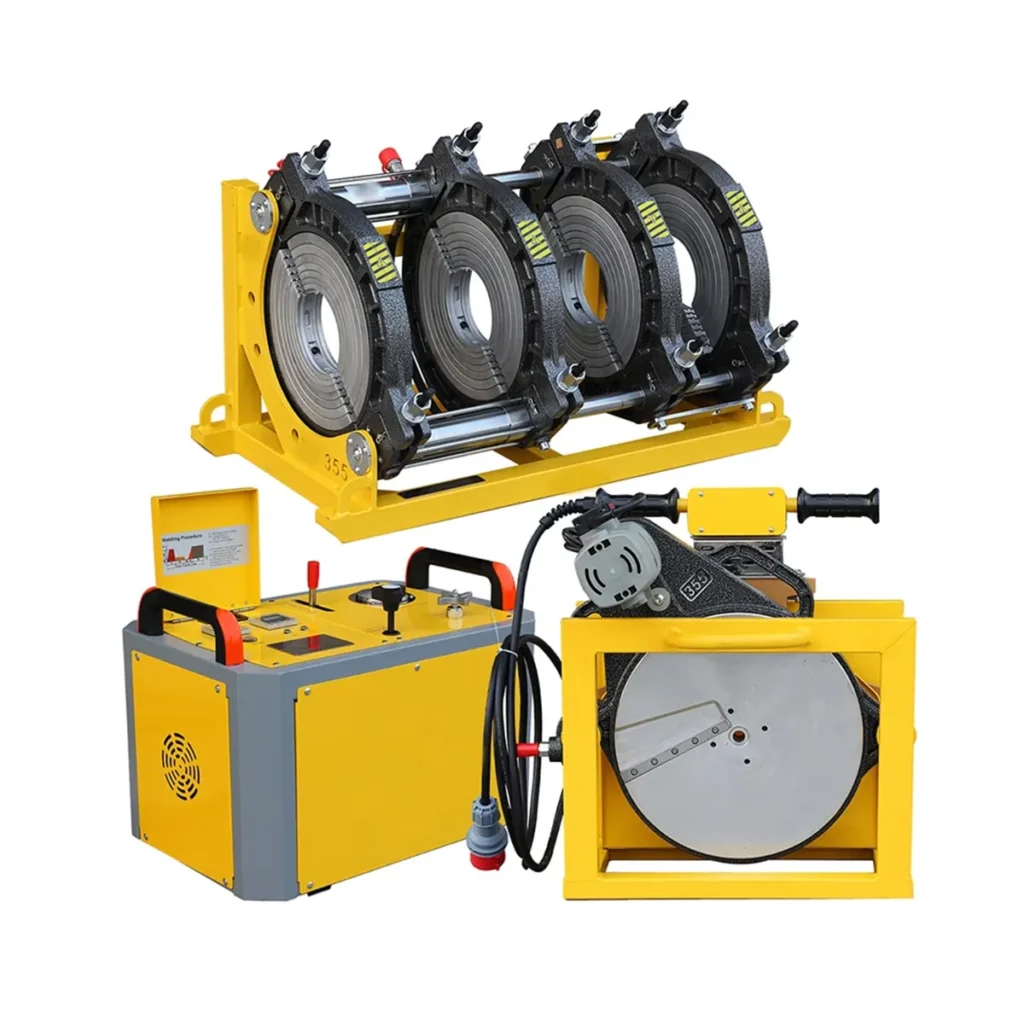
PE pipe welding systems are the backbone of modern HDPE pipeline construction. This guide explains the most reliable joining methods, equipment choices, step-by-step fusion workflows, inspection tips, and maintenance essentials for durable, leak-free plastic pipelines.
Why Choose Butt Fusion for PE Pipes?
Butt fusion creates homogenous joints by heating pipe ends and pressing them together. The result is a continuous, strong pipeline that performs like the base material — ideal for water, gas, mining, and industrial systems. Key benefits include chemical resistance, flexibility, and long service life with minimal leak potential.
Common PE Welding Methods
Understanding the main fusion techniques helps you pick the right system for your project:
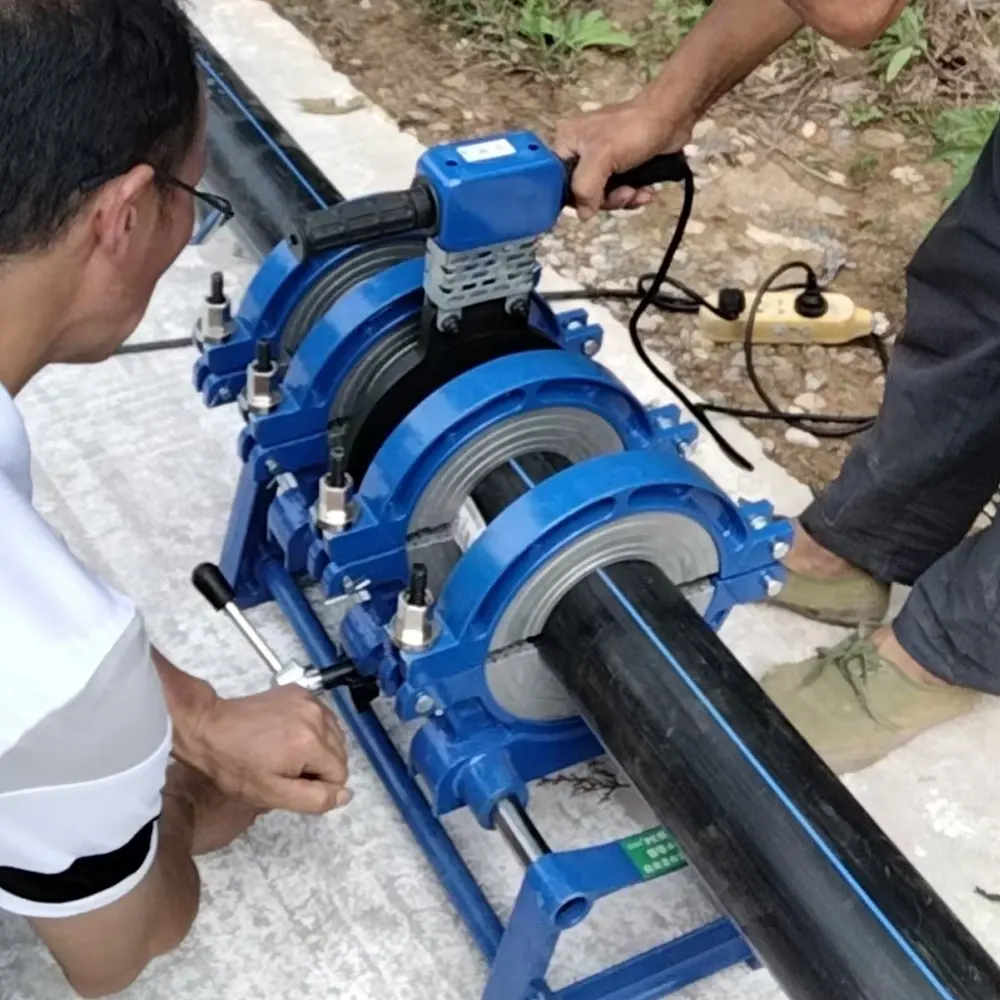
- Manual Butt Fusion — portable, inexpensive, best for small-diameter pipes and on-site repairs.
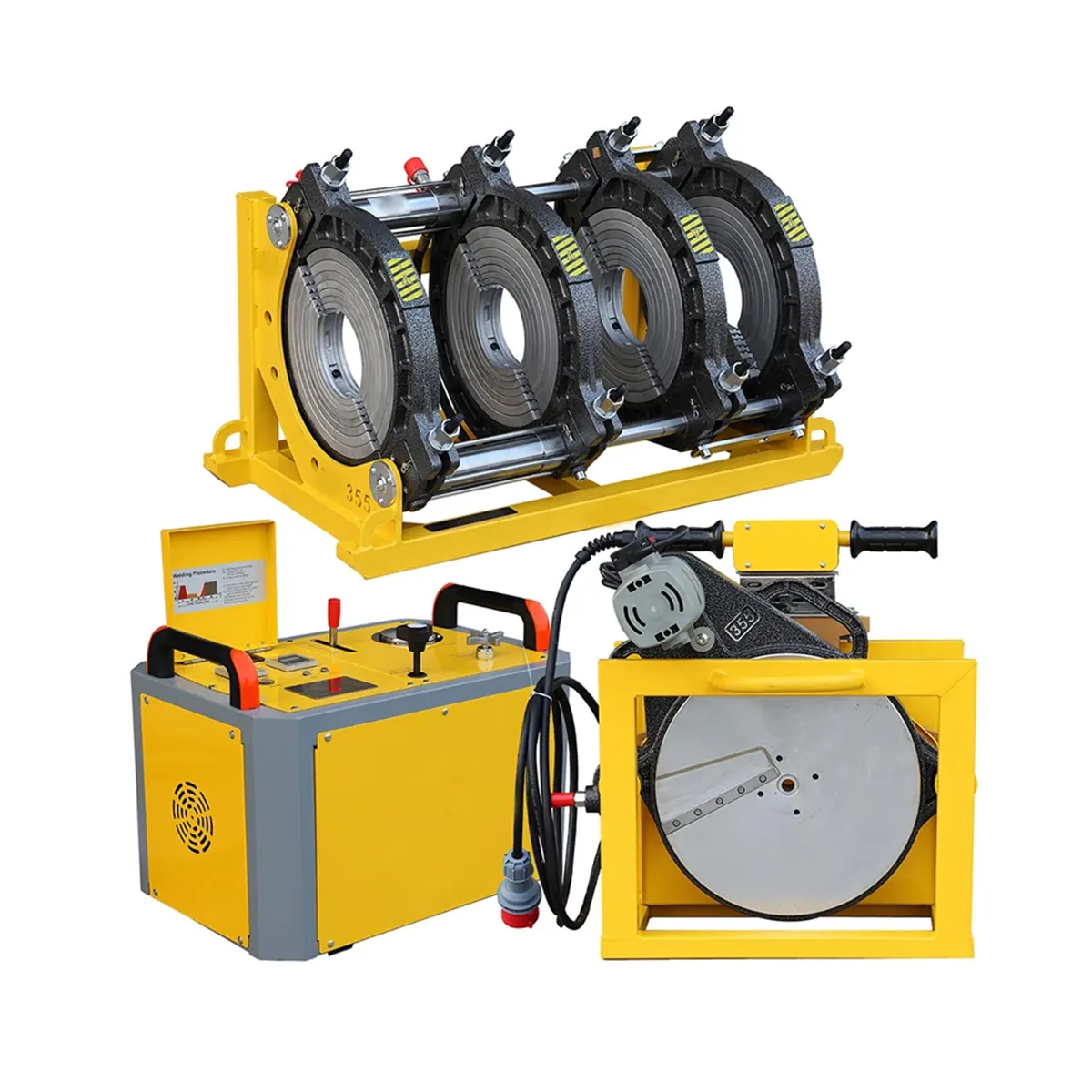
- Hydraulic Butt Fusion — higher clamping force for medium to large diameters; ideal for construction and utility networks.
- Automatic/CNC Butt Fusion — programmable, precise heating and pressure control for long runs and factory-style joining.
- Electrofusion — useful for fittings and complex geometries with molded heating elements in couplers.
Selecting the Right Machine
Match your workflow to machine capability: portability, pipe diameter range, and automation level drive efficiency. For high-volume infrastructure projects choose machines that offer repeatable cycle control, robust hydraulic systems, and easy test reporting. For isolated repair sites, a compact manual unit is typically optimal.
Quick Comparison
| Machine Type | Pipe Range | Automation | Best For | Cycle Time |
|---|---|---|---|---|
| Manual Butt Fusion | DN20–DN315 | Low | Repairs, remote sites | 15–40 min |
| Hydraulic Butt Fusion | DN63–DN2000+ | Medium | Utility & pipeline construction | 10–30 min |
| Automatic / CNC | DN160–DN1600+ | High | High-throughput & precision | 8–25 min |
Step-by-Step Butt Fusion Process
Follow these stages for consistent joints. Each step affects joint integrity — accuracy and cleanliness are essential.
1. Preparation
Clean pipe ends, check alignment, confirm material SDR and fusion parameters. Use appropriate clamps and backrests for large diameters.
2. Facing
Trim ends with a facing tool to remove oxides and create parallel surfaces. Proper facing ensures uniform melt and avoids weld voids.
3. Heating
Bring the heater plate to recommended temperature and press pipes against it with controlled force. Timing depends on pipe diameter and SDR.
4. Upset & Join
Remove heater, then rapidly bring the molten faces together under set fusion pressure until cooled. Maintain clamps until joint solidifies.
5. Inspection
Check bead formation and symmetry. Use visual inspection, destructive testing samples when required, and consider non-destructive methods for critical lines.
Quality Assurance and Best Practices
To ensure long-term performance, document every weld with parameters: heater temperature, fusion pressure, heating and cooling times, operator ID, and environmental conditions. Store data for traceability and warranty requirements. Use certified training for welders and follow applicable standards (ISO, ASTM, or local codes).
Common Welding Issues & Troubleshooting
- Cold Welds: Caused by insufficient temperature or pressure — re-fuse or replace section.
- Excessive Bead: Overpressure or overheating — adjust settings and confirm heater calibration.
- Misalignment: Poor clamping or pipe deformation — improve fixture setup and support.
Maintenance & Site Logistics
Regular maintenance extends machine life: clean heater plates, check hydraulic oil and seals, calibrate temperature sensors, and verify facing tool sharpness. For large projects plan logistics: power supply, flat staging area, and weather protection for sensitive operations.
Safety Tips
Always wear PPE (heat-resistant gloves, eye protection), secure pipes and clamps, and follow safe handling of hot plates. Ensure adequate ventilation in confined spaces and lock out power during maintenance.
Applications and ROI
PE pipelines welded with reliable fusion systems are used in potable water, sewer systems, gas distribution, mining slurry lines, and industrial chemical transport. Investing in the right equipment reduces rework, lowers leak rates, and increases pipeline lifecycle value — delivering strong ROI for contractors and utility owners.
Find the Right Partner
For tailored machine selection, spare parts, and training, contact JQ-Fusion for professional guidance and a full range of HDPE butt fusion welding solutions.
Quick FAQ
Q: Which method is fastest? A: Automatic/CNC systems deliver the fastest and most repeatable cycles for production environments.
Q: Can different SDR pipes be welded? A: Always follow material and standard recommendations — welding different SDRs requires careful parameter adjustment and is often discouraged.



