
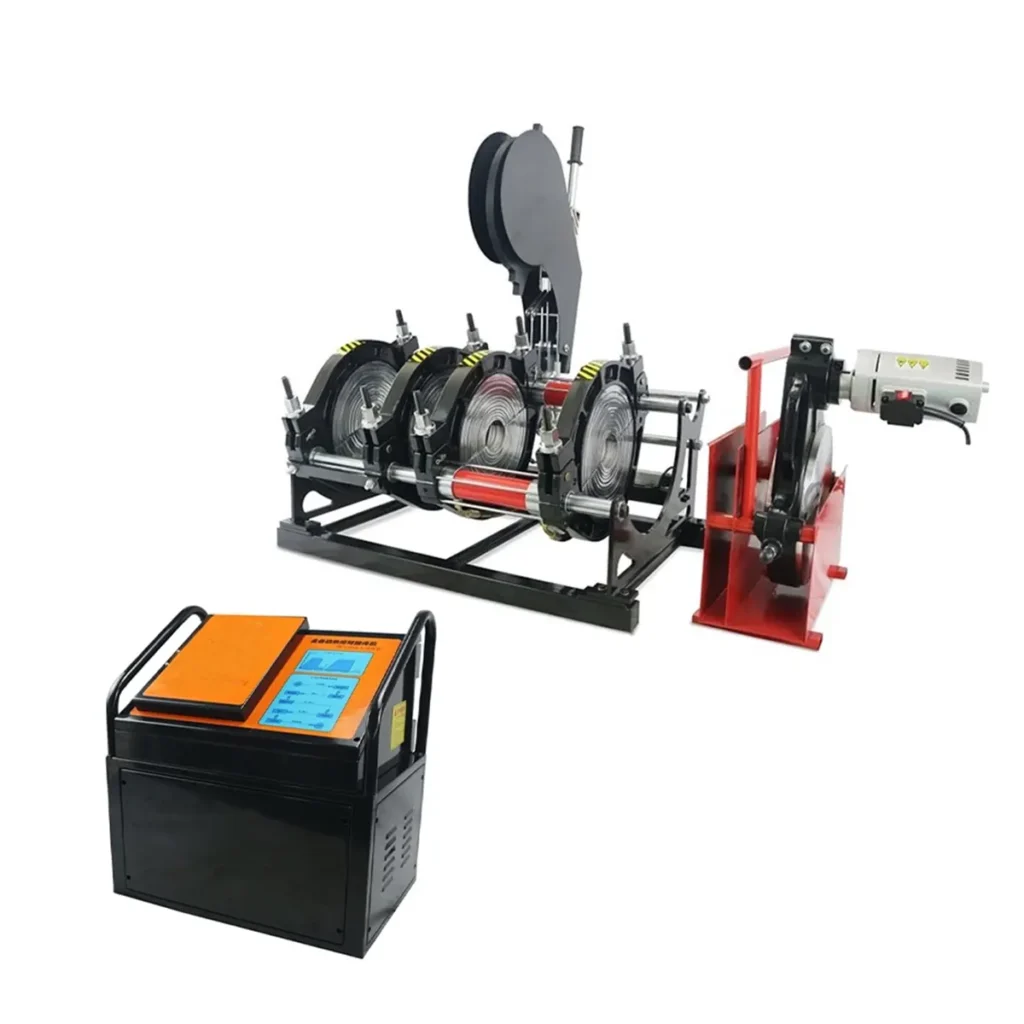
For contractors, municipal teams, and infrastructure planners in Latvia, reliable pipe welding is essential for long-lasting water, gas, and district heating networks. This guide explains how modern poly fusion (butt fusion) machines deliver dependable welding solutions across Latvia’s varying climates and project scales, helping teams reduce leak risks and meet EU standards.
What Is a Poly Fusion Machine and Why It Matters in Latvia
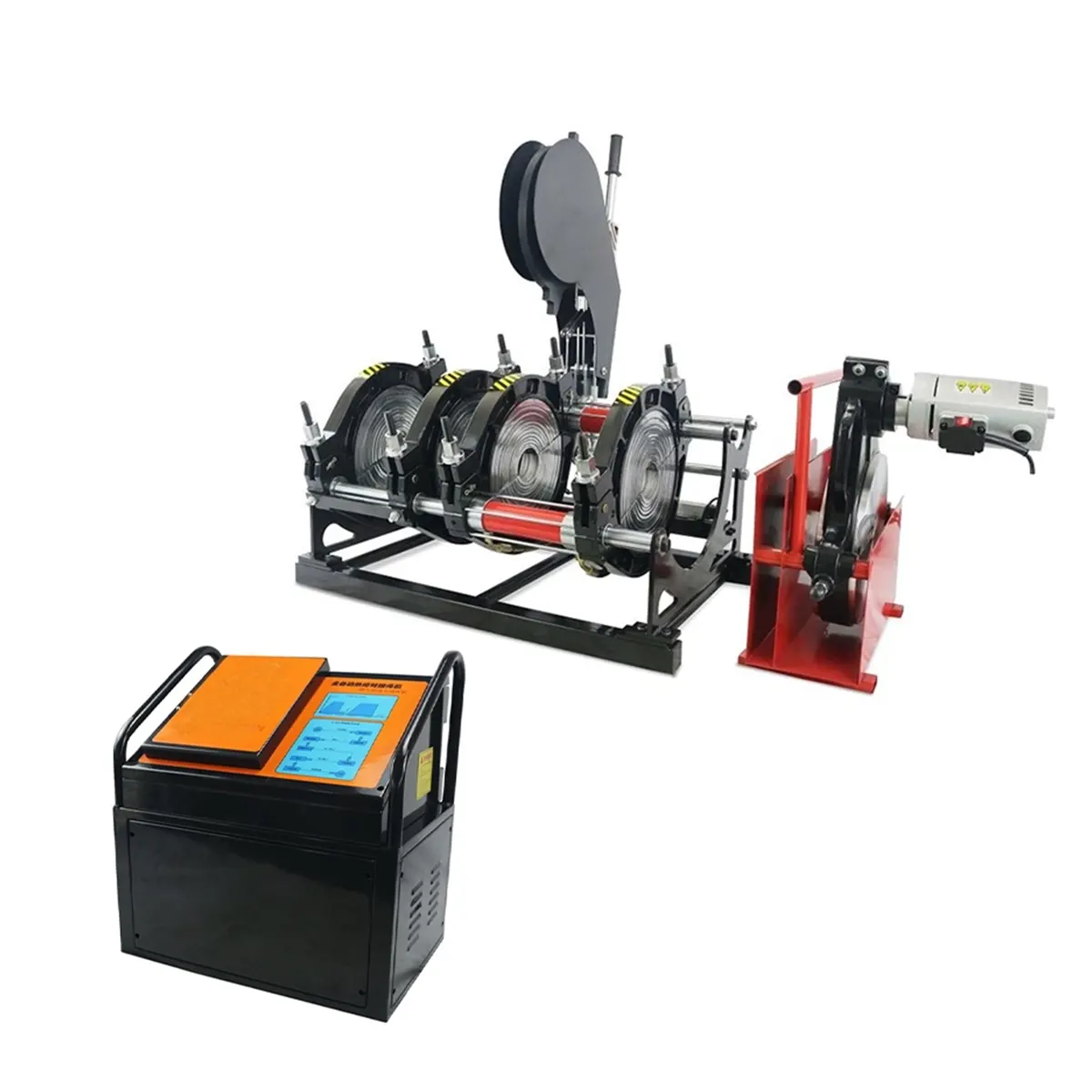
Poly fusion machines join HDPE and other thermoplastic pipes by heating and fusing pipe ends to form a continuous, leak-free joint. In Latvia, where cold winters and temperature swings can stress older piping systems, butt fusion welding offers mechanical strength and flexibility that traditional joints cannot match. Municipal water utilities, gas distributors, and construction contractors all benefit from the durability and corrosion resistance of welded HDPE systems.
Key Advantages for Latvian Infrastructure
Longevity: Welded HDPE pipes resist corrosion and chemical attack, ideal for Latvia’s municipal water networks.
Cold-weather performance: Flexible joints reduce brittle failure in low temperatures common in Latvian winters.
Reduced maintenance: Continuous fused pipelines minimize leak repairs and shutdowns for districts across Riga, Daugavpils, Liepāja, and rural municipalities.
Popular Machine Types Suitable for Latvia
Different project types need specific fusion solutions. From small-diameter service lines to large-diameter trunk mains, selecting the right machine improves efficiency and weld quality.
| Model | Pipe Range | Type | Power | Best Use |
|---|---|---|---|---|
| JQA160 | 20–160 mm | Automatic | 220V / 50Hz | Service lines, small projects |
| JQA400 | 63–400 mm | Automatic | 380V / 50Hz | Urban mains, gas distribution |
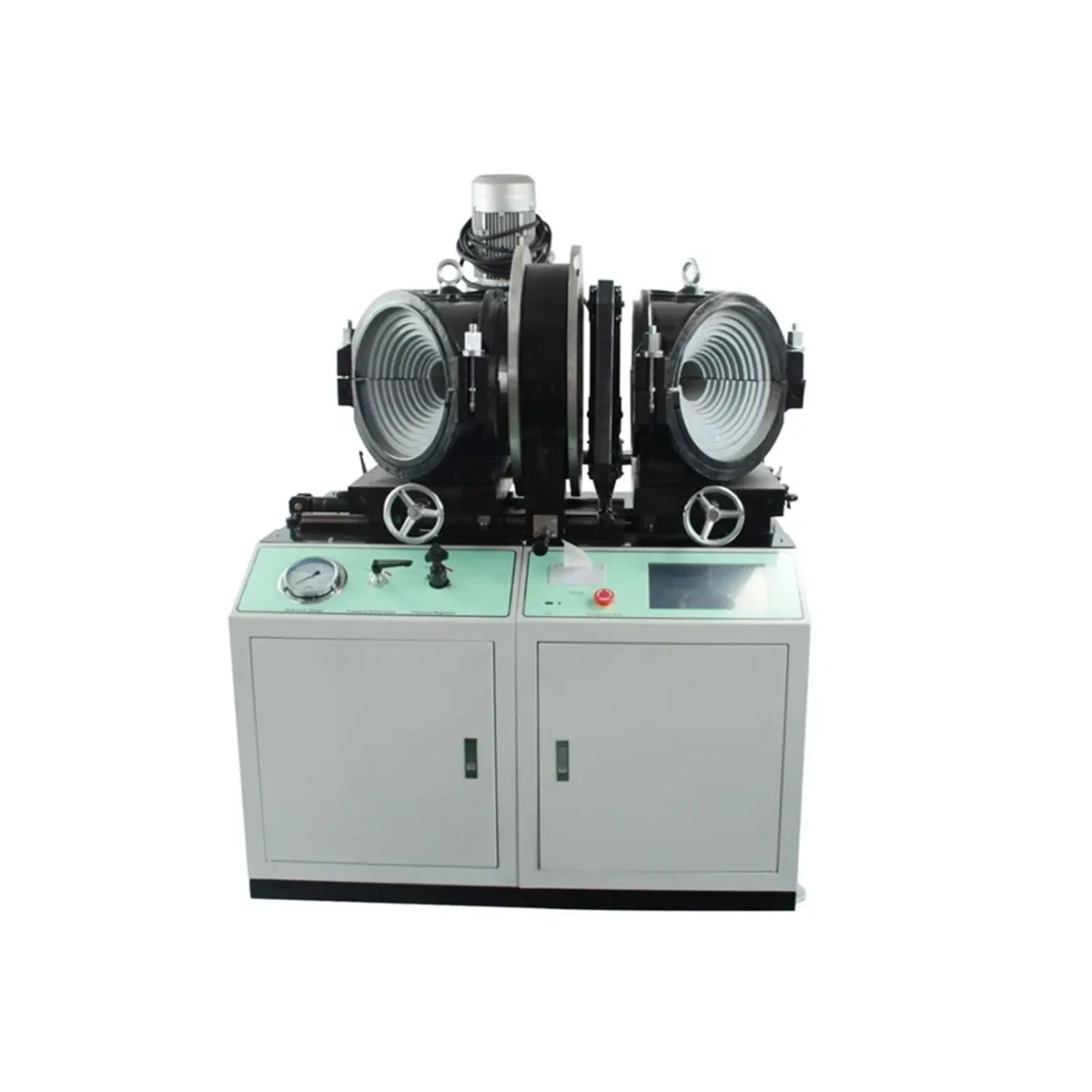
| JQH800 | 200–800 mm | Hydraulic | Hydraulic powerpack | Large-diameter trunk mains |
Selecting the Right Machine for Latvian Conditions
Consider project scale, typical pipe diameters, and on-site power availability. For routed pipework in cities like Riga, automatic machines improve throughput. In remote or agricultural regions where power is limited, hydraulic or manual units provide flexible operation.
Installation, Training, and Local Compliance
Latvian projects must meet EU directives and local technical standards. Proper operator training ensures consistent welds and reduces rework. Investing in certified training for technicians and following standardized heating and cooling cycles is essential for municipal approvals and long-term warranty support.
Safety and Maintenance Tips
Regular inspection of heaters, cutters, and clamps prevents downtime. Store welding plates and accessories dry during winter to avoid thermal shock. Use calibrated thermometers and follow manufacturer maintenance schedules to extend machine life and keep joints certified under pressure tests.
Applications in Latvia: Real-world Uses
Latvian applications for poly fusion machines include:
- Municipal water networks: New mains and replacement of aging metal pipes.
- District heating extensions: Flexible HDPE solutions for branching and repairs.
- Agricultural irrigation: Durable, low-maintenance systems for seasonal use.
- Gas distribution: Safe, welded PE lines meeting EU safety standards.
Logistics and After-sales Considerations for Latvian Buyers
When importing equipment to Latvia, plan shipping to Riga or Ventspils ports, prepare CE documentation, and arrange local service partners for spare parts and calibration. Quick-response technical support reduces downtime and keeps projects on schedule.
For reliable butt fusion solutions tailored to global infrastructure projects, consider consulting the manufacturer at JQ-Fusion for model selection, training, and spare parts.



